New York Paris London Palm Beach Hudson Valley

Posts Tagged ‘Old Fashioned Mom Magazine’


image
Ithaa is the world’s first and only all glass undersea restaurant:  Conrad Maldives Rangali Island Hotel

image
Enjoy cocktails, lunch or dinner at Ithaa Undersea Restaurant

image
Ithaa translates as ‘Mother of Pearl’ in the Maldivian language of Dhivehi.

Rated “the most beautiful restaurant in the world” by the New York Daily News, Ithaa sits five metres below the surface, offering 180-degree panoramic views of the vibrant coral gardens surrounding it. Ithaa (meaning ‘mother of pearl’ in the Maldivian language of Dihevi) serves contemporary European cuisine in a six-course set dinner menu. Expect indulgences such as caviar for dinner while the four-course lunch menu offers lighter fare. Also open for mid-morning cocktails and can be booked privately for breakfast, weddings or other special occasions.

The restaurant offers the largest wine cellar in the country and a spectacular beachside setting.


image

By: Marie Telling…

Macaroons ~ What it is: Little almond-meringue cookies filled with flavored buttercream.

image
Why it’s awesome: You can get them in basically every flavor you want. And when they’re done right, they’re like little bites of heaven melting in your mouth.
2. French Lemon Pie


image

What it is: A buttery crust filled with lemon curd.
Why it’s awesome: It’s refreshing, sweet, and slightly less tangy than its American counterpart (but just as good).
3. Crème Brûlée

image
What it is: A custard topped with a crisp caramel layer.
Why it’s awesome: There are few things in life as satisfying as cracking the caramel layer of a crème brûlée with the back of your spoon.
4. Crêpes

image

What it is: Very thin pancakes filled with just about anything you can think of.
Why it’s awesome: They’re super fun to eat, and you can accommodate everybody’s tastes with all the different fillings — like Nutella, strawberries and cream, or maple syrup.
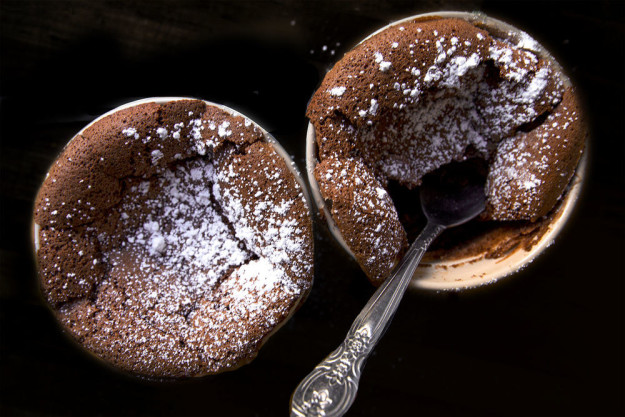
5. Chocolate Soufflé

image

What it is: An ~ethereal~ chocolate cake with a crispy crust and a soft middle.
Why it’s awesome: It manages to be both light and rich. (And chocolate is involved, which is always a good thing.)


6. Madeleines

image
What it is: Fluffy and delightful little buttery cakes.
Why it’s awesome: They’re simple yet addictive, and you can stray from the traditional recipe to create different flavors.
7. Chocolate Meringue

image
What it is: A crunchy meringue with chocolate swirls and a slightly chewy inside.
Why it’s awesome: Meringue is already pretty amazing on its own, but add some chocolate to the equation and it’s even better.
8. Clafoutis

image
What is it: A flan-like cake usually filled with cherries.
Why it’s awesome: Soft texture + tart cherries = a truly perfect summer bake.


9. Tarte Tatin

image
What it is: An upside-down caramelized apple pie, basically.
Why it’s awesome: Caramelized apples and a crispy crust. What more do you need?
10. Chocolate Mousse

image
What it is: I mean, it’s a chocolate mousse.
Why it’s awesome: It’s light, rich, fluffy, and chocolatey. (In other words, it’s pretty much perfect.)
11. Dacquoise

image
What it is: A pastry made of layers of whipped cream and hazelnut meringue.
Why it’s awesome: The contrast between the crunch of the meringue and the softness of the cream? It’s next level.


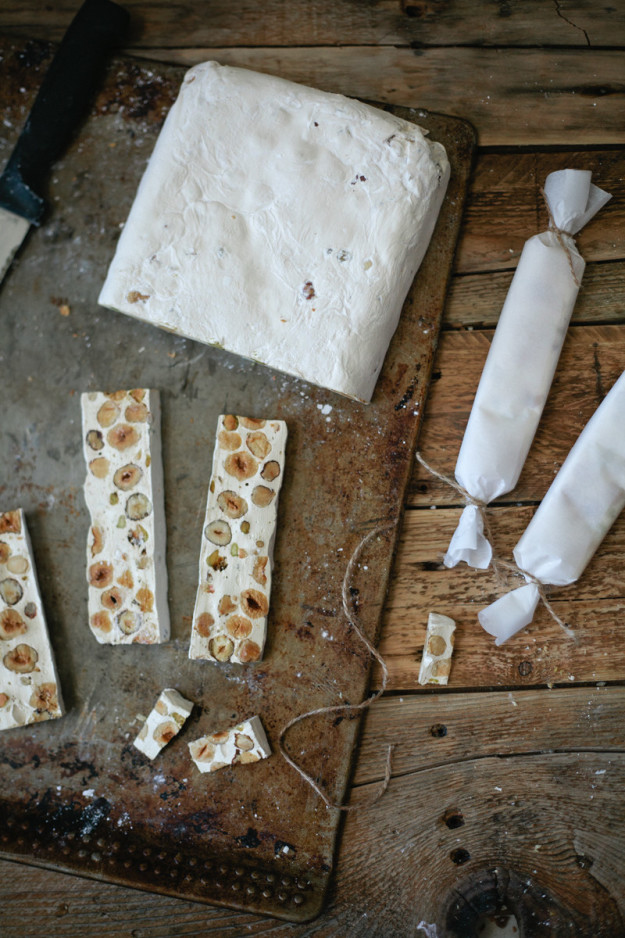
12. Nougat

image

What it is: A candy from Southern France made with honey, egg whites, and nuts.
Why it’s awesome: Variations of this specialty exist all around the Mediterranean Sea. The French version is soft and sweet — and might use pistachios, almonds, or hazelnuts.
13. Éclairs

image
What it is: A pastry made with pâte à choux (or light dough), filled with flavored custard and topped with glossy icing.
Why it’s awesome: There’s something for everyone: Along with traditional chocolate and coffee éclairs, you can now often find many flavors — like raspberry and pistachios — in French bakeries.
14. French Chocolate Cake

image
What it is: Chocolate cake. Enough said.
Why it’s awesome: Every French household has their own take on this classic. Three signs of a good one? Delicious chocolate, soft cake, and a crispy crust.
15. Crêpes Suzette

image
What it is: Crêpes flambé in a sauce that’s made of butter, caramel, orange, and Grand Marnier.
Why it’s awesome: Because who doesn’t love setting a dessert on ~fire~?
16. Kouign-Amann

image
What it is: A cake from the Brittany region made of sugar-crusted layers of dough and butter.
Why it’s awesome: Butter. Lots of it.
17. French Apple Pie

image
What it is: A longtime favorite that French grandmas swear by.
Why it’s awesome: Compared to its American counterpart, French apple pies are always thin-crusted, open-faced, and only have one layer of apple slices. They’re equal parts straightforward and super satisfying.
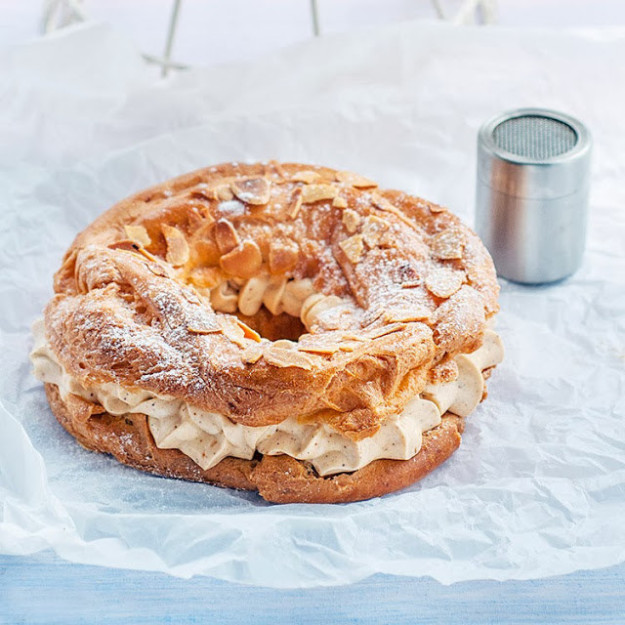
18. Paris-Brest

image
What it is: A cream puff sandwich stuffed with praline-flavored cream.
Why it’s awesome: I repeat: it’s a cream puff sandwich stuffed with praline-flavored cream.
19. Chocolate Pots de Crème

image

What it is: Chocolate cream often served with some Chantilly.
Why it’s awesome: It’s creamy AND it’s chocolatey — aka everything that’s good in this world.

Ways to help your children develop empathy, kindness and a sense of responsibility toward others.
image
By Jane Meredith Adams

While rummaging through an old box, my daughter, Claire, came across the stuffed bear I’d had when I was her age, a deeply loved creature named Teddy. “How come Teddy has no fur?” she asked. “Why doesn’t she have eyes?” I explained that my cousin’s dog had chewed up Teddy when I was a kid. She was aghast.

Gravely, she kissed Teddy’s empty eye sockets. Somberly, she reported to her twin brother, Drew, what had happened. “We’ve got to fix her,” she said.

As it turns out, children have an inborn capacity for compassion. Small in stature themselves, they naturally identify with stuffed animals, other kids, pets, and underdogs. The tricky part is that their empathy must compete with other developmental forces, including limited impulse control—which makes them pull the cat’s tail—and their belief that their needs absolutely must come first—which makes it hard for them to let their cousin push the cool fire truck.

But with so much hatred and turmoil in the world today, it seems more important than ever to raise kids who can understand and be kind to other people. Tea

 

image

ching this doesn’t mean lectures or visits to soup kitchens. It’s part of day-to-day life: how you answer your child’s questions, how you solve conflict at the park, how you nudge his or her growing capacity to understand and think about other people. Temperament of course plays a role—some kids are naturally more tuned in to other people’s feelings and difficulties, while others are a bit oblivious. Either way, you have influence in fostering your child’s ability to empathize. Age by age, here’s how to do so in small, daily doses:

Promote sweetness

Teaching your child ways to treat things with care helps him develop the understanding that actions have consequences.

Show how to be gentle. Your child wants to be friendly but ends up grabbing the baby roughly? Demonstrate another way. “I say, ‘We use our hands to give love,'” says Kimberly Mazone of Dresden, Maine, mother of 4-year-old Sienna and 3-month-old Lucca. “‘You’re being a little bit rough. Let’s be gentle. Let’s show our love with our hands.'” You can actually take his hand and show him physically what a gentle touch is.

Speak softly. Your kindness will be a role model for how to treat others. When your child’s in pain, be warm and caring. “It’s all about the tone in your voice,” says Emily Mihalchik, a mom of 2-year-old Sam and director of the Johnnie Appleseed Preschool, in Lawrence, Kansas. If a child’s friend is crying, “I say, ‘Maybe a hug would be nice,'” says Mihalchik. Young toddlers don’t have a very consistent long-term memory, so you’ll have to repeat your lessons more times than you thought possible.


Reject rudeness. “I see fifteen-month-olds who do things like spit into their parents’ faces, and the parents laugh,” says Susan Jensen, a mom of two and director of Children’s Nook preschool, in North Charleston, South Carolina. This will not do. Compassion requires that your child respect others, including you. Gently but firmly, say “No, you may not spit!” In the same loving but no-nonsense manner, remove his little feet from the table and unlock his fist from your hair.

Say “I’m sorry.” If you’ve been short-tempered with your child, apologize to him. All parents make mistakes. It’s how you address them afterward that makes the difference. He’ll learn that everyone, even Mom, admits it when she’s wrong.

Enforce rules

Consistent limits help your toddler see that her behavior (and misbehavior!) affects others.

Provide structure. It might seem that if you want to raise a compassionate, caring child, you just have to be a compassionate, caring parent. But that’s not enough. Even the most nurturing, loving parenting requires firm limits on behavior, or you’ll get very self-centered children, says Janice Cohn, Ph.D., author of Raising Compassionate, Courageous Children in a Violent World. Make unacceptable behavior, like hitting, always unacceptable—even if it’s her birthday. If something is wrong it has to be wrong all the time.

Expect her to help. When their neighbors are away, Karen Semple’s four kids in Montana City, Montana, take care of the left-behind cats, dogs, and horses. Everyone’s included in helping, and when the youngest was 2, she scooped cat food out of a bag. Rain, snow, and cold weather don’t stop them. For Semple, it’s all about teaching the Golden Rule. “You need to love your neighbor as yourself, even if you don’t particularly feel like it,” she says.
 

image


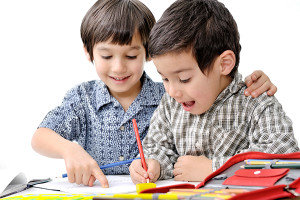
Use manners to connect. With the exciting (and noisy!) arrival of the garbage truck, talk about how we’re all connected: The farmer grows the food, we throw out the peels or waste, and the trash collector picks it up. If your child’s out watching the trash collector, she can say “thank you.” Good manners, which keep us coexisting harmoniously, are one way to show compassion. As much as you can with a squirmy toddler, make good manners part of her daily routine.

“Habits like this can help form character,” says the Reverend Dr. Julia Gatta, an Episcopal priest and associate professor of pastoral theology at the University of the South in Sewanee, Tennessee. “There’s another person at the other end of the relationship who has feelings and deserves respect.”

Guide friendship

Stay tuned in during playtime so you can help your child figure out how to be a friend.

Outlaw name-calling. Compassion starts with what’s acceptable and what’s not. “A little guy called someone a ‘poo-poo head,'” says Jensen. “Immediately, he had to go to time-out or come up to see me. I told him, ‘I know you know that word is unacceptable.'” Explain to her—often—that being kind to others is the rule. You can tell her when she gets into a tiff, “You don’t have to like that person, but everyone has to be nice.”

Give consequences. If the be-nice rule is broken, stick with simple, concrete consequences such as a brief time-out or losing a special toy for a day. A 3-year-old’s abstract thinking is weak, so she’s too young to understand that being nice is morally the right thing to do; your efforts, therefore, should be directed at helping her resist impulses so she won’t get in trouble.

Label kindness. When you catch your child offering a shovel to a friend in the sandbox, label her actions by saying “What a good friend you are,” or “You’re very thoughtful.” Over time, she’ll understand that being a helpful friend, sister, neighbor, and human being is something you value.

Be considerate yourself. While it’s tempting to hand out birthday-party invitations at the park instead of going to the trouble of mailing them, explain to your child that kids who see other children getting invitations but don’t receive one themselves may feel hurt. And all through the year, get her in the habit of sending cards to friends and relatives who could use a kind word: thank-you notes, sympathy cards, get-well wishes. For a child not yet up to writing a message, even a drawing is great.
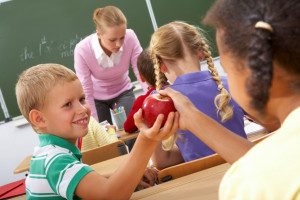
 

Portrait of schoolgirl passing red apple to classmate during lesson


Don’t trash talk. Kids, as we know, are always listening. How we talk on a daily basis about our own siblings, parents, and relatives tells them a lot. If children hear us saying something really negative about Grandma, they learn that it’s okay to talk that way, says Suzanne Coyle, Ph.D., a mom and director of the Marriage and Family Therapy Program at Christian Theological Seminary in Indianapolis. So keep meanness in check: “Show them you have a spirit of kindness and generosity.”

Encourage helping

With their increasing awareness and independence, preschoolers are ready to participate, if you show them how.

Give pennies. Kids want to feel they can make a difference, so bring charity down to their level. “Every week the children bring in pennies and count them,” says Nancy Manewith, director of the Board of Jewish Education Early Childhood Centers of Metropolitan Chicago. “It’s just part of our pre-math program.” Then the pennies go to charity or to buy mittens and scarves for poor children, which opens the door to conversations about war and poverty.

When talking to your own child about such things, be honest, but don’t feel you have to include every scary detail. Keep explanations simple, and ask simple questions, like “How can we help them?” If his al-lowance is five dimes, ask him how many dimes he’d like to set aside to give to a food bank or drop in a collection jar. Giving him the choice will make him more excited about the idea.

Assign chores. The habit of helping others starts with chores at home. Children love to feel capable, so assign a manageable task like setting the table or feeding the cat. Make a schedule and put it on the fridge so your child can keep track of what he needs to do. When her kids ask why they have to do chores, Anna Notation-Rhoades of Sewanee, Tennessee, a mom of five, tells them “we’re all part of the family, so by helping the family we’re helping ourselves.”

Use stories. Reading books together can be a natural way to help your child start to understand that children aren’t all the same. Books like Faith the Cow, by Susan Bame Hoover, about how the gift of a cow can change the life of a poor family, or Houses and Homes, by Ann Morris, which has photos of houses around the world, can show that kids in other countries want the same things: to feel safe, to be liked, to learn things, to have fun, and to be with their families.

Point out heroes. The siren of a fire truck, not to mention a newspaper photograph of a bomb attack, can make a 4-year-old worry. Shield him from disturbing images as much as possible, but when he hears or sees something frightening, focus the conversation on the firefighters, rescue workers, doctors, or volunteers who are there to help us.

Build on their smarts

Your child’s made cognitive and emotional leaps—help him understand others’ feelings.

Explore feelings. With an increasing vocabulary, a 6-year-old is able to communicate more about emotions. Talking about book characters is a good way to help. “We’d read Snow White and I’d ask, ‘Why do you think the witch was jealous of Snow White?'” says Rev. Gatta, who’s also a mom of a 12-year-old. “Later, maybe in the car, we’d talk about characters’ motives and feelings.”

Monitor media. If the characters on television are hitting each other or calling each other names, shut off the TV or, at least, talk about what’s going on. Children don’t just watch TV, they internalize it, and they don’t get irony, so be careful of what they’re memorizing.

Expect more. When it comes to your child’s responsibility to be caring and compassionate, set your standards high. Don’t let teasing or bullying go unaddressed. At 7 and 8, kids are starting to be able to see the world from another person’s perspective. In a complicated and troubled world, it’s easy to feel that nothing we do will make a difference. This can lead to compassion burnout—for us and for our kids. The key is to start small.

As for my battered Teddy, it was a very small problem in search of a solution. So we repaired her. Claire chose blue felt for her eyes and pink for her nose. She cut out the shapes, which made them interesting to behold. Teddy’s not her old furry self, but she’s much improved. Now, years later, every time Claire hugs my old bear, she knows she made a difference.


Celebrity Mom Jennifer Garner talks about being great friends with Ben Affleck, and making her family a priority.

WEST HOLLYWOOD, CA - MARCH 04: Actress Jennifer Garner attends Sony Pictures Releasing's "Miracles From Heaven" Photo Call at The London Hotel on March 4, 2016 in West Hollywood, California. (Photo by Frazer Harrison/Getty Images)

(Photo by Frazer Harrison/Getty Images)

When it comes to family and her relationship with Ben Affleck, Jennifer Garner only sees one solution. The Nine Lives actress has been separated from her famous ex for more than a year, but the pair still consider themselves a unit for the sake of their three children.

“It has to be. You don’t have a choice. It has to be,” she said during a Thursday morning interview on the Today Show. “We are definitely a modern family. We’re doing really well.”

The former couple recently spent a lot of time together in Europe.
“Ben was working in London on Justice League, and I thought, ‘Well, the kids should have that experience,’” Garner said of the family’s travels. “He and I are great friends, and we just all went en masse.”
The pair announced their separation in June 2015, one day after their 10th wedding anniversary.

A source previously told ET that the spouses are “making it work” and have yet to officially file for divorce.

Last February, Garner opened up to Vanity Fair in a tell-all interview, talking about her marriage to Affleck.

“I didn’t marry the big fat movie star; I married him,” she said at the time. “And I would go back and remake that decision. He’s the love of my life. What am I going to do about that?”

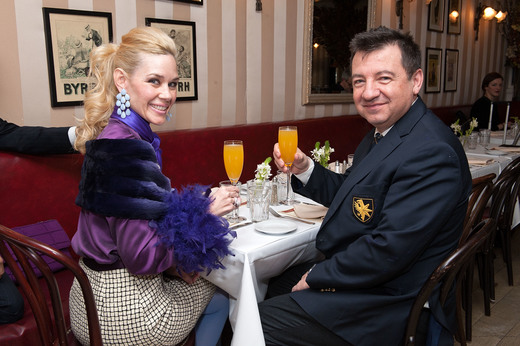
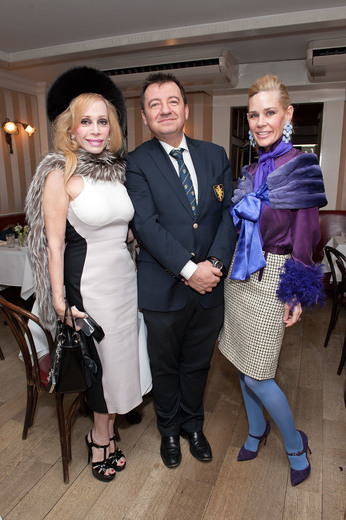
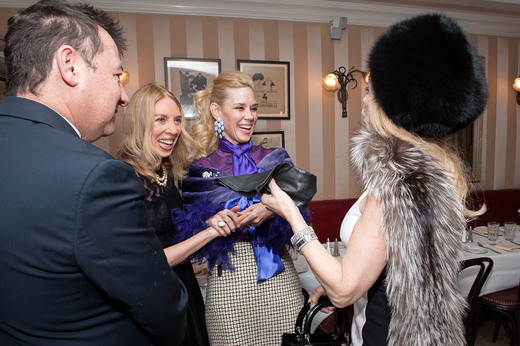
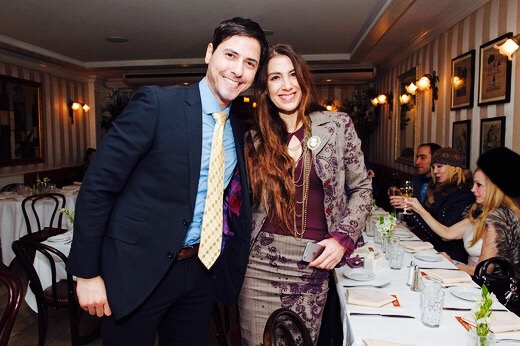
Old Fashioned Mom Magazine welcomed Jacques Bounin, the admissions director of Le Rosey to New York by hosting an intimate luncheon at the French Bistro Chat Noir.

image imageimage

image

Guests were delighted to hear about the rich history and strong academic programs the International Swiss boarding School provides.

imageimage

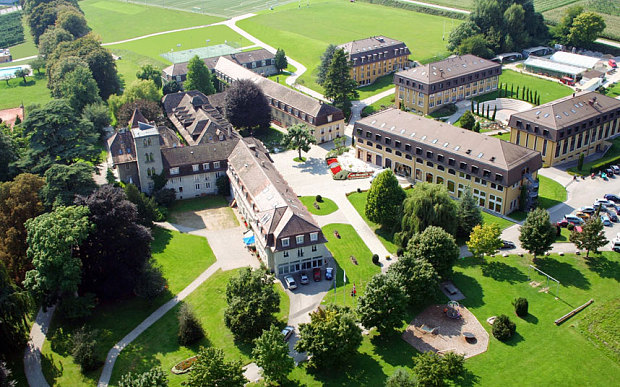
Institut Le Rosey is a boarding school near Rolle, Switzerland. It was founded by Paul-Émile Carnal in 1880 on the site of the 14th-century Château du Rosey near the town of Rolle in the Canton of Vaud. It is one of the oldest boarding schools in Switzerland.

image

The school also owns a campus in the ski resort village of Gstaad in the Canton of Bern, where the student body, faculty, and staff move to during the months of January through March. Institut Le Rosey is owned by its fourth generation of directors, Philippe and Anne Gudin, who assumed ownership of Le Rosey in 1980. Michael Gray is the headmaster.

image

In 2014, Le Rosey inaugurated the Paul & Henri Carnal Hall, an arts and learning centre for Le Rosey and the La Côte region. The school is also planning the sale of its Gstaad winter campus, and a move to a location that can accommodate more personnel and students.

image

Le Rosey’s philosophy is inspired by what Harvard educationalist Howard Gardner has called “multiple intelligences”: “its aim is to develop all Roseans’ talents through academic, sporting and artistic programmes. “The school offers a demanding bilingual and bicultural education with the language of instruction being French or English depending on the student’s academic program; however, students may take many language classes while at Le Rosey. Students may sit either the International Baccalaureate, the most widely recognized pre-university educational program, or the Francophone-oriented French Baccalaureate.

imageimage

To sustain an international atmosphere at Le Rosey, there exists a quota where no more than 10% of the students may come from a single country. The student body, ages 7 through 18, is composed of pupils from approximately 58 different countries, with 60% of the students being European. The school’s current enrollment, over 400 pupils, is equally divided between male and female. The majority of students are between the ages of 14 and 18. The student-teacher ratio is 5:1 with the average class size being fewer than 10 students, and the average teacher’s length of stay at Le Rosey is over ten years.

image

image

Students at Le Rosey are nicknamed “Roséens” (in French) or “Roseans” (in English), and former students are labeled “Les Anciens Roséens”. The school’s campus has 28 hectares (approximately 70 acres) of landscaped grounds. The school’s sailing center, the “Fleur d’Eau”, is situated along 100 meters of shoreline on Lake Geneva. Le Rosey is reportedly the only boarding school in the world to change campuses seasonally. In spring and autumn, classes are held at the Château du Rosey campus in the village of Rolle in the Canton of Vaud, located between Geneva and Lausanne in southwestern Switzerland. For the winter months of January through March, the entire student body moves to a group of chalets in the ski resort town of Gstaad in the Canton of Berne.

Le Rosey offers a wide range of sports, including: Football (Soccer), Basketball, Volleyball, cross-country running, Sailing, Rowing, Competitive swimming, and Water skiing during the spring and autumn terms. During the winter term, sports options are Skiing, Snowboarding, Ice-hockey, Curling and Snowshoeing.

image
Château du Rosey, a Feudal chateau located on Le Rosey’s main campus at Rolle, dates to the Middle Ages and houses Le Rosey’s central reception area. In 1880, the site of the Le Rosey campus was chosen by the school’s founder, Paul-Emile Carnal, “a lover of nature, history and the countryside”. The Le Rosey campus at Rolle is situated adjacent to the famous Lake Geneva. In 1911, the founder passed the ownership of Le Rosey to his son, Henri-Paul Carnal. In 1917, the school began to go to Gstaad in the German-speaking Canton of Berne for the winter months to escape the dense fog that settles in on Lake Geneva. In 1947, the third generation of directors, Louis Johannot and Helen Schaub, assumed ownership of Le Rosey. Under the same ownership, in 1967, Le Rosey admitted girls for the first time and opened a separate girls’ campus. In 1980, the current owners, Philippe and Anne Gudin de la Sablonnière, became the fourth generation of Directors at Le Rosey.

image

Institut Le Rosey’s academic curriculum is designed to “provide education of breadth, depth and quality for an international student body.” Le Rosey offers a rigorous bilingual and bicultural education with the principal language of instruction being French or English depending on the student’s academic program.  Beginning in Class 9 (US 3rd grade; UK year 4) and ending in Class 7 (US 5th grade; UK Year 6), Junior students at Le Rosey follow the Primary Bilingual Programme. The Programme follows the French national curriculum for classes taught in French and the National Curriculum of the United Kingdom for classes taught in English, which are both complemented by the International Primary Curriculum to create an international education.

image

image

Le Rosey students in Classes 6-2 (US 6th-10th grade; UK Year 7-11) choose their principal language and continue their studies in French or English. If possible, students may study their mother tongue and a third or even a fourth language in addition to their principal language of instruction. Over 20 different languages have been taught at Le Rosey in the past five years. During the Secondary Bilingual Programme, English and French classes are obligatory, and upon entering Class 3 (US 9th grade), students begin the two-year “Pre-Bac” Programme to prepare the students for either the internationally recognized International Baccalaureate (IB) Diploma Programme or the Francophone-oriented French Baccalaureate. At Le Rosey, the IB Diploma Programme and the French Baccalaureate cover the last two years of schooling (Class 1 and Class t).

image

Le Rosey’s main campus, near Rolle, is situated on 28 hectares of land adjacent to Lake Geneva. It is divided into two campuses, one for boys situated on the main campus and one for girls called La Combe. The boarding houses contain a total of 179 bedrooms with en suite bathrooms, and all together the academic buildings contain: 53 classrooms, 8 science laboratories, 14 specially-equipped rooms, 48 apartments for Le Rosey teachers, 2 infirmaries, a library/media centre with about 20,000 to 30,000 literary and reference works, a theatre, 3 dining rooms and 2 cafeterias, an auditorium, 2 gymnasiums, and an ecumenical chapel. Sports and arts facilities at Le Rosey include: 10 clay Tennis courts, a 25-meter indoor pool and wellness centre, a 25-meter outdoor pool, 3 football pitches, 1 synthetic rugby pitch, 1 wood chip running track, a shooting and archery range, an open-air theatre, and a computer-regulated greenhouse. Off-campus Le Rosey owns: a private Equestrian centre housing 30 horses, 1 indoor riding school, 1 Dressage area, and a clubhouse. Also off-campus is the Le Rosey sailing centre equipped with: 10 dinghies, 3 motorboats, 3 yawls and a 38-foot (12 m) yacht.

image
The school’s Winter campus, at the ski resort of Gstaad in the Bernese Oberland, is composed of several traditional chalets within the town. The girls’ campus, at Schönried, is situated a 10-minute train ride away from Gstaad and is composed of 5 chalets used solely for boarding and dining. The students utilize local facilities, including: swimming pools, fitness centres, tennis courts, ice-hockey rink, a bowling alley, Curling, 250 kilometers (approximately 156 miles) of Alpine ski slopes and 120 kilometers (approximately 75 miles) of Cross-country ski tracks, 65 kilometers of Snowshoeing trails, climbing walls, and Via Ferratas.

image

image

Le Rosey is an extraordinary School, and having had my son, Hudson, attend the Summer Camp I was able to see all the extraordinary benefits of an International Education.

We love you Jacques!!!


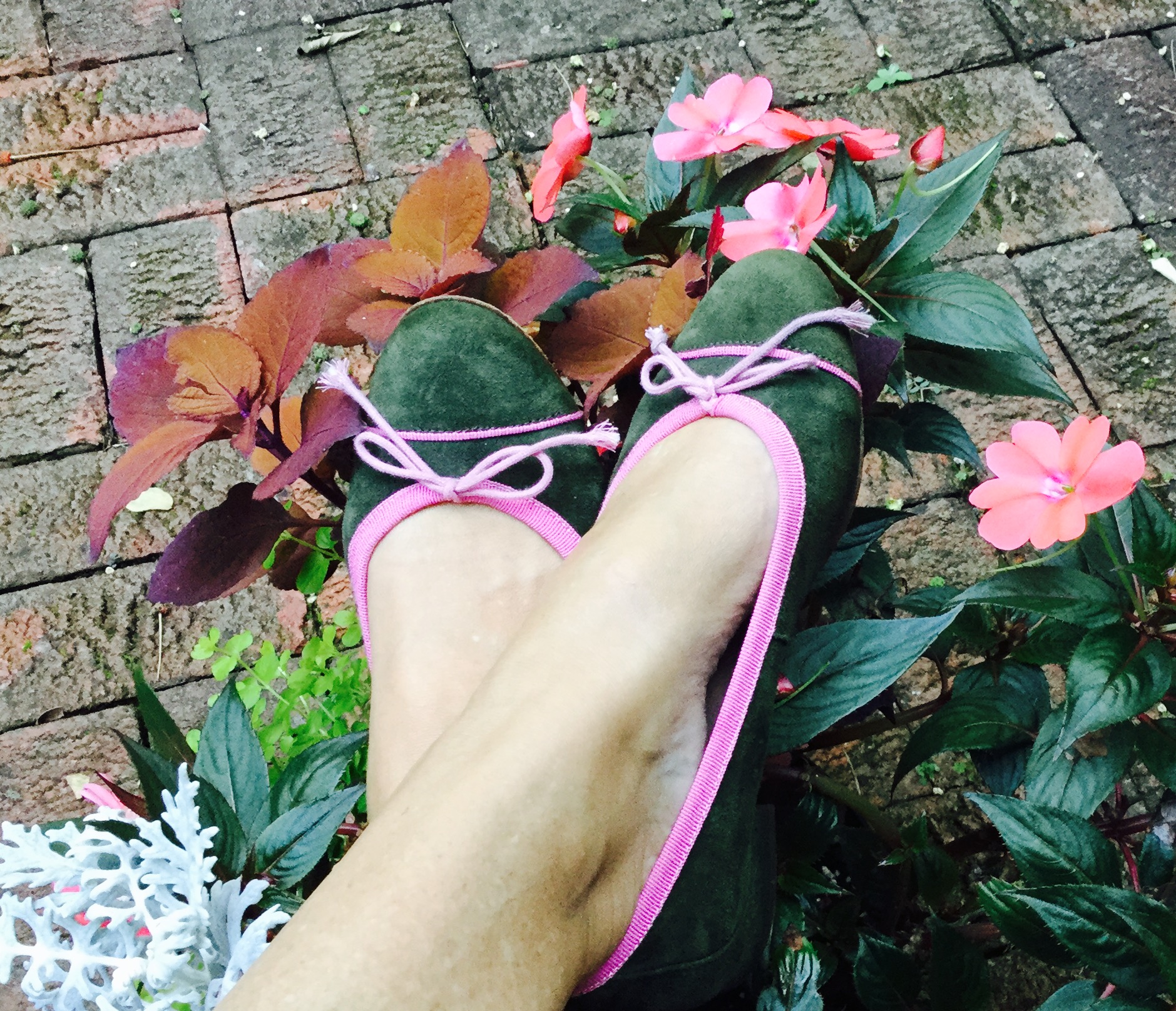
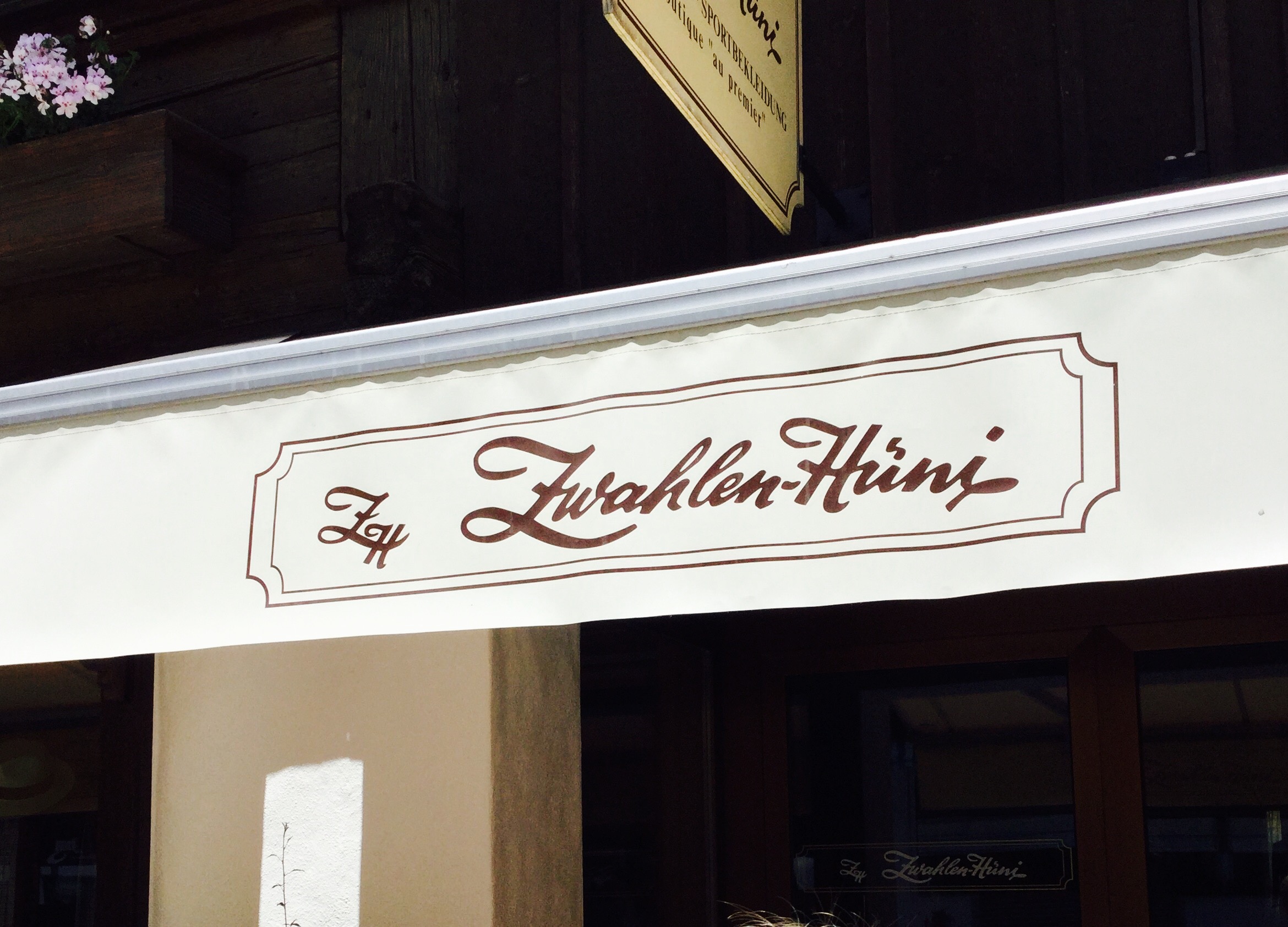
I Love my Zwahlen Huni Ballet Slippers, made in Gstaad Switzerland. A must for daytime….so comfortable and extremely beautiful. They come in a variety of colors and are truly durable! I have had mine for over a year and they look fabulous.

image

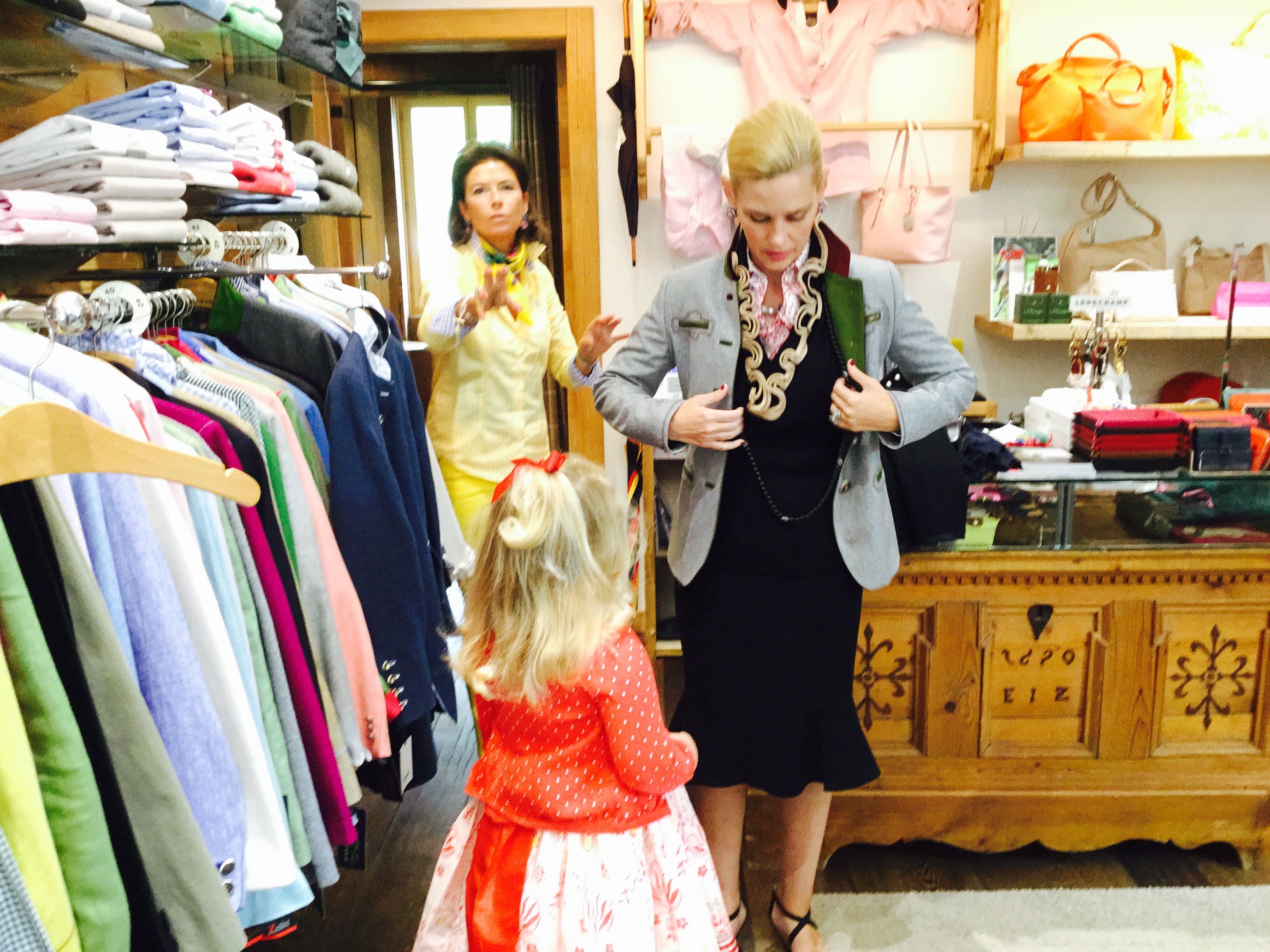
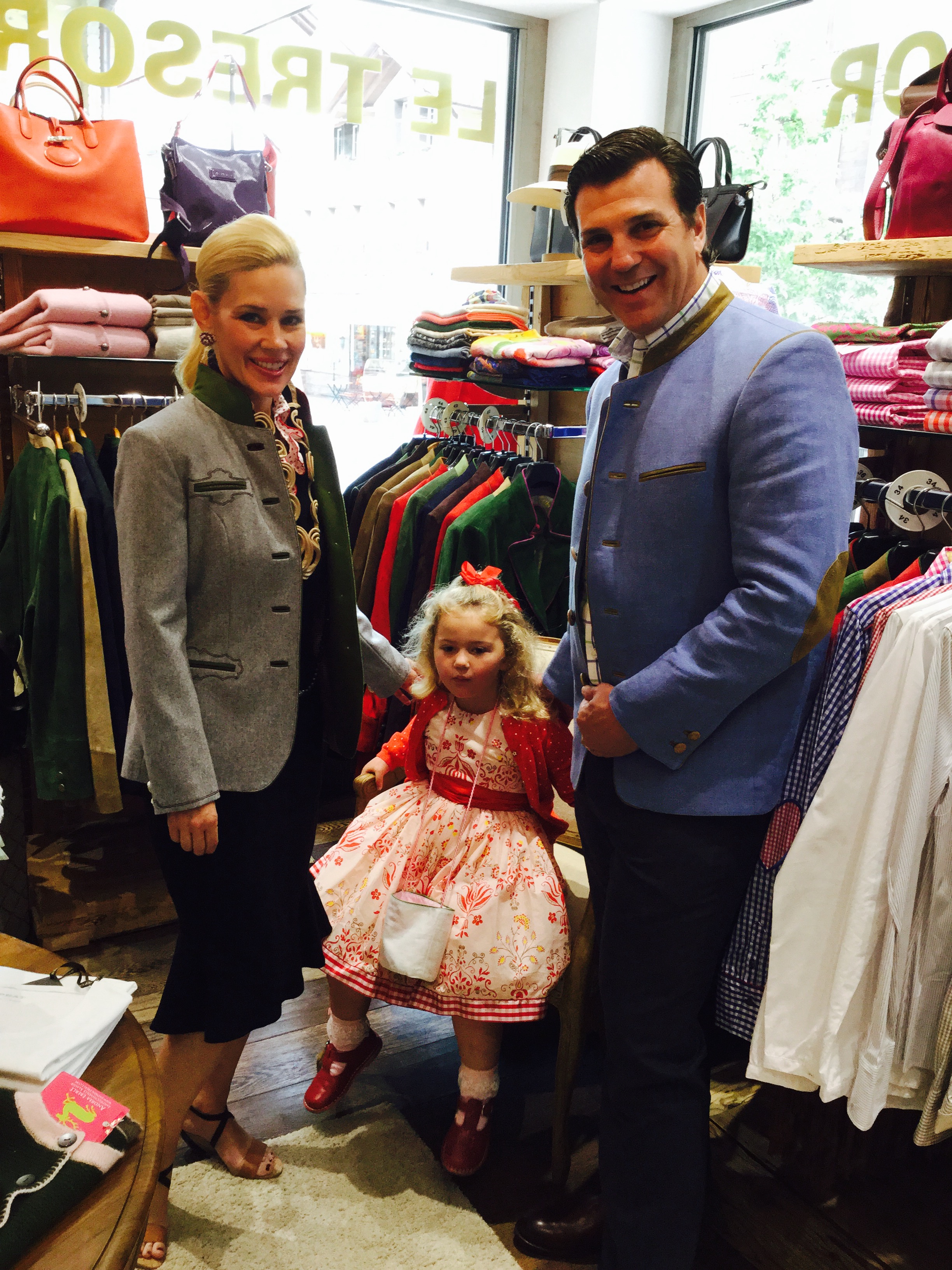
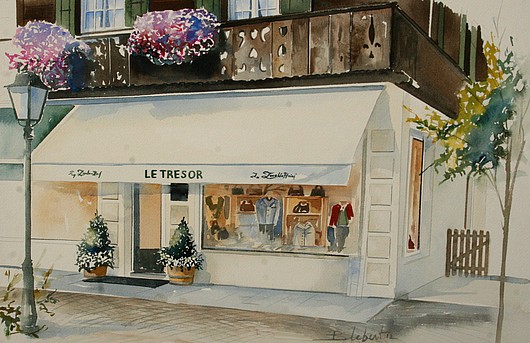
Zwahlen Huni has two locations, one in Gstaad and the other in Saanen. Both are magnificent, and purchasing clothes of the Austrian style is both chic and International.

image

The boutiques carry a Couture Line ~ as well as other well known labels…Barbour, Vicomte A., Longchamp, Woolrich-John Rich and Brothers, Barutti, and Sasso are just a few.

image

In Gstaad, visit Promenade 55…a beautiful store!

image

Email: info@zwahlenhueni.ch

image

image

image

Michelle-Marie Heinemann & Zwahlen Huni

image

An International Polo Tournament in Gstaad.

image

The international Polo Gold Cup tournament has established itself as an audience magnet. The “royal” game captivates the spectators every year with top-ranking players and very tough competition for the sought-after world ranking points.

image

Program:
Thursday: Qualifikatons Games
Friday: 4.00 pm. Polo parade in Gstaad
Saturday: semifinals & Polo Night (CHF 380.– p.p.)
Sunday: finals
VIP Lunch SA & SU: CHF 340.– p.p.
Price : Free entry

????????????????????????????????????

Polo Club Gstaad

Chalet les Arcades, Post Fach 419

www.polo-gstaad.ch

image


image


By Simon Fairbairn & Erin McNeaney

I fell for Procida as soon as I saw the view from the Terra Murata. A tangle of houses painted in pink, yellow, blue and green tumbled towards Marina Corricella, the sun setting behind it and lighting up the sky in a blaze of orange and pink. Small fishing boats were dotted in the water—the fishermen use the lavishly bright buildings to find their way home.

image
I wondered how I’d never heard of this gorgeous island. Procida is the smallest island in the Bay of Naples and despite its location just a 40 minute hydrofoil ride from Naples it receives nowhere near as many foreign visitors as the neighbouring islands of Capri and Ischia. Procida seems to want to keep its secret to itself, although it’s popular with napoletani looking for a summer escape from the steaming, chaotic city.

image

The tiny island is only 4 square kilometres and we walked everywhere—to the black sand beaches that ring the island, almost empty during the week and bustling with families on weekends; and through the winding narrow streets in the centre, the high walls hiding cube shaped houses and lush gardens. Paintwork is faded and crumbling, doors are ancient and rusted, and the streets are enlivened with pink bougainvillea and tiny white jasmine, their scent accompanying us on our strolls. Lemon groves are squeezed into every available space.

imageimage

Terra Murata is the highest point on the island and the oldest village—the fortress walls were built as protection from invaders in the 15th century. We wandered the medieval streets and visited the rather quirky and crumbling church the Abbazia di San Michele which has excellent views from its terrace.

Procida’s highlight is Marina Corricella, the colourful fishing village that’s built into the rock leading to the sea. The 17th century settlement is traffic-free and can only be reached by stairs in passageways through the houses. Along the waterfront there are piles of fishing nets and patio restaurants where you can enjoy a meal with a view of the Terra Murata and bobbing fishing boats.


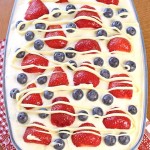
No Bake Summer Berry Ice Box Cake

image

Serves 12-16

Ingredients:

19 oz graham crackers
8 oz cream cheese, softened
2 (3.4 oz) packages Vanilla Instant Pudding
2-1/2 cups cold milk
12 oz Cool whip (or homemade whipped cream)
3 cups fresh strawberries, sliced
1-1/2 cups fresh blueberries
2 oz white chocolate chips
Instructions:
Beat cream cheese and dry pudding mixes in large bowl with mixer until blended.
Gradually beat in milk.
Gently stir in Cool Whip or homemade whipped cream, reserving ½ cup.
Spread a thin layer of cool whip in a 9×13 pan just to coat the bottom.
Layer 5 graham crackers across the center of the pan, then 2 more, breaking them as needed to fit around the top and bottom edges.
Spread a layer of pudding mixture over grahams and top with a layer of blueberries and sliced strawberries.
Place graham crackers on top of berries, then pudding mixture, then layer of berries again.
Repeat the graham-pudding-berries layers 1 more time (3 times total) and you should reach the top of the pan.
Refrigerate for at least 4 hours or overnight until the graham crackers have softened completely.
When ready to serve, melt white chocolate chips in a bowl as directed on package and drizzle over dessert.
You can use a spoon to drizzle it over the tops of the berries or you can put it into a small zip-top bag and snip of the corner for an easy “piping bag.”

Completely divine and the perfect Summer Treat!!

imageimage


image

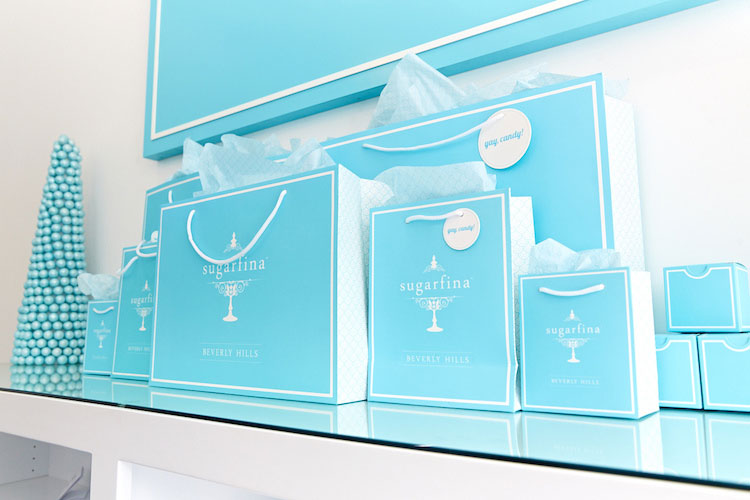
My children and I love Sugarfina, the divinely magical candy boutique in the Time Warner Center where the shops at Columbus Circle are. How creative to sell packaged little candies from all over the world and place them in a gorgeous bento box!

Truth be told I actually discovered it with my BFF Lauren Lawrence, we were attending a cocktail party on the higher floors….and I told her I just had to leave early to visit the candy shop….she agreed and off we went together purchasing goodies to take home.

image

I have always had a long term affair with sugar, I just love it, I don’t make excuses for it….I just enjoy it, and delight when some new confection comes along that is fun! Sugarfina is fun…..you can select your own candy of choice and put it in your candy bento box.

image

My children and I especially enjoy the Champagne Gummy Bears, the Sugarfina Pearls, the Champagne Bubbles, and the Ice Cream Cones.

image

The candies are premium and made with the finest ingredients, sourced directly from artisan candy makers around the globe.

image

The highly curated shop gets Old Fashioned Moms approval for originality and taste.

imageimage

image