New York • Paris • London • Palm Beach • Hudson Valley

Posts Tagged ‘Old Fashioned Mom’

SONY Affirm Film Subject, Aimée Marcoux-Spurlock, Makes Metropolitan Room debut…..on February 3rd….arriving in full Soprano Star Mode.

IMG_4778

by BWW News Desk
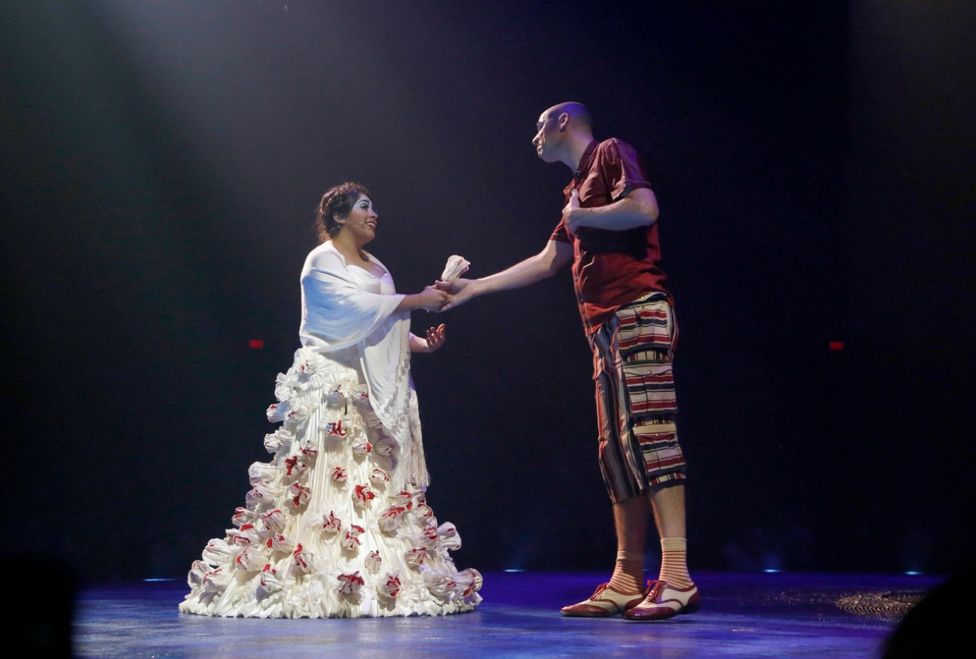
Classical singer/musical actress, Aimée Marcoux-Spurlock, whose true-life story will come to the big screen in 2017, will make her Metropolitan Room debut on February 3rd with Women of Bilbao, a collection of Kurt Weill’s compositions from his 12-tone Weimar period to his more lush Broadway compositions. Marcoux-Spurlock has performed over fifty operatic, musical theater and oratorio roles with leading orchestras and opera companies across the globe. The Women of Bilbao repertoire will include “Surabaya Johnny” from Happy End, “Moon of Alabama,” from The Rise and Fall of the City ofMahagonny and “That’s Him” from One Touch of Venus. The singer will be joined by Doug Martin as Pianist/ Conductor (Baz Luhrmann’s La Bohème on Broadway).

Michael Feingold, noted arts critic (Village Voice), is the Creative Consultant. Metropolitan Room is at 34 West 22nd Street in the Flatiron District of Manhattan. Showtime on February 3rd is 9:00 p.m.. Call: 212.206.0440 for reservations and information. Tickets can be purchased online at : metropolitanroom.com  A $24 cover charge and $25 minimum per person apply.

The true story of Aimée Marcoux-Spurlock, and her husband, Michael Spurlock, will be told in the upcoming Sony Affirm pictures release “All Saints,” scheduled for 2017 release. The film recounts the story of professional-turned-pastor Michael Spurlock (actor John Corbett), Aimée-Marcoux-Spurlock (actress Cara Buono) and a group of refugees from Southeast Asia, who risk everything to save their tiny church in Tennessee and transform their future.
Marcoux-Spurlock is a musical actress known for her depth of character, interpretation and musical sensitivity. She has appeared in productions with the Florida Grand Opera, New World Symphony Orchestra, Symphony of the Americas, Florentine Opera, Florida Philharmonic Orchestra, The Bulgarian National Orchestra, Opera Frankfurt, Paraguay Symphony Orchestra and The Hungarian State Opera. Her role in Marin Alsop’s revival of Gershwin’s rare Blue Monday with Colorado Symphony Orchestra was described as “sumptuous” by the Denver Post. In 2013, Marcoux-Spurlock premiered The Yellow Wallpaper a one-woman opera written for her by composer and Duke University Professor, Michael Trinastic.

In a departure from her musical career, Marcoux-Spurlock worked as a reporter and producer for several years with Reuters Television, Showtime, the BBC, NBC and Fox affiliates throughout the United States. She was an original reporter/producer for Entertainment Drive, one of the first online new outlets. Marcoux-Spurlock has been spotted at The Emmys, The Tony Awards and the Academy Awards interviewing such celebrities as Sir Anthony Hopkins, Salma Hayek, Tony Bennett, and Mariah Carey. At the United Nations, she interviewed Kofi Annan, Senator Bill Richardson, President Bill Clinton and HRH Prince Phillip. In addition, Marcoux-Spurlock spent fourteen seasons covering New York’s Fashion Week for fashion and entertainment news outlets.

Her spur of the moment coverage of the events of September 11, 2001 was featured in the 2002 HBO documentary, “IN MEMORIAM – New York City, 9/11/01.” In addition, Marcoux-Spurlock was lauded by The Royal Television Society as “an invisible giant of TV news” for her coverage at Ground Zero and received and award of recognition.

We love Aimee here at Old Fashioned Mom….and so excited about her performance!!!


image

By: Marie Telling…

Macaroons ~ What it is: Little almond-meringue cookies filled with flavored buttercream.

image
Why it’s awesome: You can get them in basically every flavor you want. And when they’re done right, they’re like little bites of heaven melting in your mouth.
2. French Lemon Pie


image

What it is: A buttery crust filled with lemon curd.
Why it’s awesome: It’s refreshing, sweet, and slightly less tangy than its American counterpart (but just as good).
3. Crème Brûlée

image
What it is: A custard topped with a crisp caramel layer.
Why it’s awesome: There are few things in life as satisfying as cracking the caramel layer of a crème brûlée with the back of your spoon.
4. Crêpes

image

What it is: Very thin pancakes filled with just about anything you can think of.
Why it’s awesome: They’re super fun to eat, and you can accommodate everybody’s tastes with all the different fillings — like Nutella, strawberries and cream, or maple syrup.
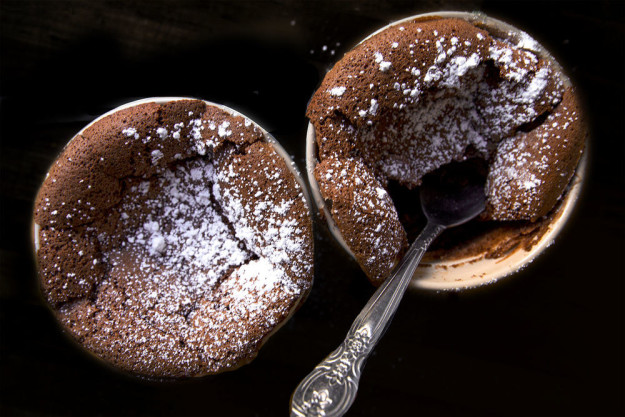
5. Chocolate Soufflé

image

What it is: An ~ethereal~ chocolate cake with a crispy crust and a soft middle.
Why it’s awesome: It manages to be both light and rich. (And chocolate is involved, which is always a good thing.)


6. Madeleines

image
What it is: Fluffy and delightful little buttery cakes.
Why it’s awesome: They’re simple yet addictive, and you can stray from the traditional recipe to create different flavors.
7. Chocolate Meringue

image
What it is: A crunchy meringue with chocolate swirls and a slightly chewy inside.
Why it’s awesome: Meringue is already pretty amazing on its own, but add some chocolate to the equation and it’s even better.
8. Clafoutis

image
What is it: A flan-like cake usually filled with cherries.
Why it’s awesome: Soft texture + tart cherries = a truly perfect summer bake.


9. Tarte Tatin

image
What it is: An upside-down caramelized apple pie, basically.
Why it’s awesome: Caramelized apples and a crispy crust. What more do you need?
10. Chocolate Mousse

image
What it is: I mean, it’s a chocolate mousse.
Why it’s awesome: It’s light, rich, fluffy, and chocolatey. (In other words, it’s pretty much perfect.)
11. Dacquoise

image
What it is: A pastry made of layers of whipped cream and hazelnut meringue.
Why it’s awesome: The contrast between the crunch of the meringue and the softness of the cream? It’s next level.


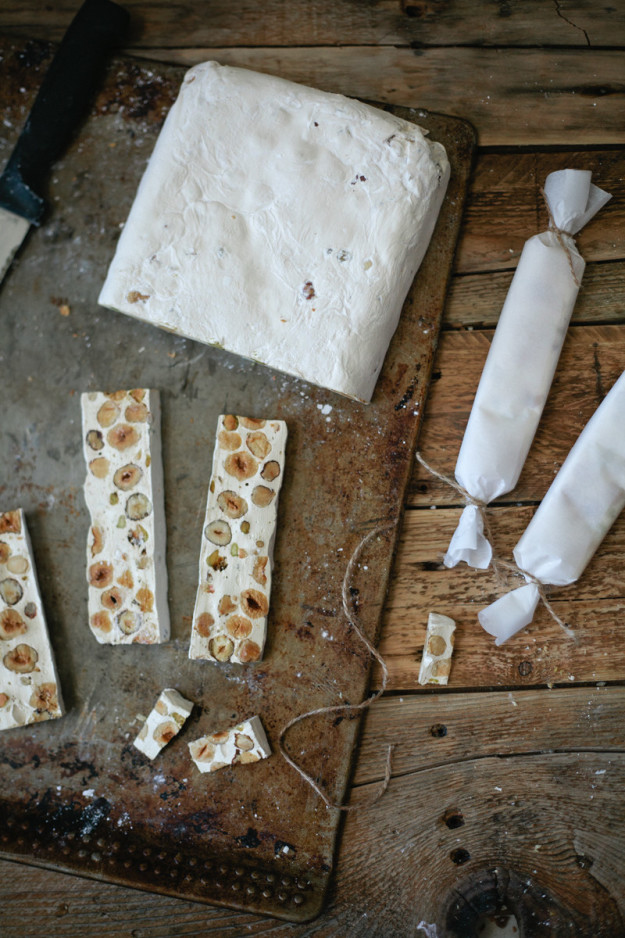
12. Nougat

image

What it is: A candy from Southern France made with honey, egg whites, and nuts.
Why it’s awesome: Variations of this specialty exist all around the Mediterranean Sea. The French version is soft and sweet — and might use pistachios, almonds, or hazelnuts.
13. Éclairs

image
What it is: A pastry made with pâte à choux (or light dough), filled with flavored custard and topped with glossy icing.
Why it’s awesome: There’s something for everyone: Along with traditional chocolate and coffee éclairs, you can now often find many flavors — like raspberry and pistachios — in French bakeries.
14. French Chocolate Cake

image
What it is: Chocolate cake. Enough said.
Why it’s awesome: Every French household has their own take on this classic. Three signs of a good one? Delicious chocolate, soft cake, and a crispy crust.
15. Crêpes Suzette

image
What it is: Crêpes flambé in a sauce that’s made of butter, caramel, orange, and Grand Marnier.
Why it’s awesome: Because who doesn’t love setting a dessert on ~fire~?
16. Kouign-Amann

image
What it is: A cake from the Brittany region made of sugar-crusted layers of dough and butter.
Why it’s awesome: Butter. Lots of it.
17. French Apple Pie

image
What it is: A longtime favorite that French grandmas swear by.
Why it’s awesome: Compared to its American counterpart, French apple pies are always thin-crusted, open-faced, and only have one layer of apple slices. They’re equal parts straightforward and super satisfying.
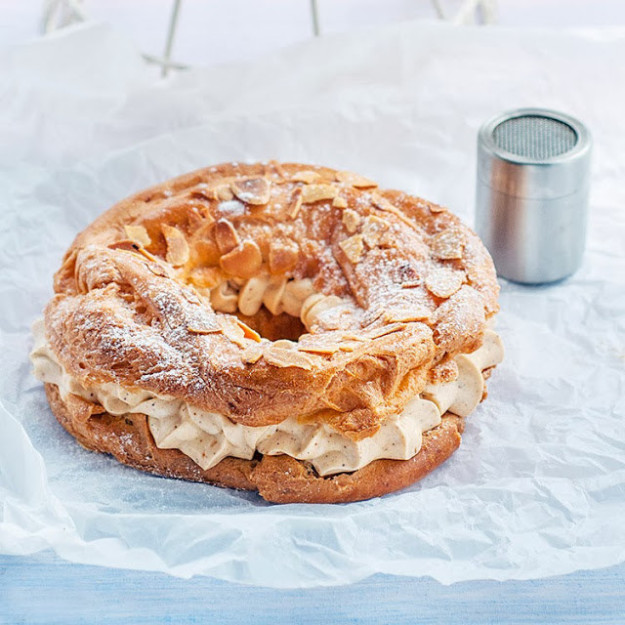
18. Paris-Brest

image
What it is: A cream puff sandwich stuffed with praline-flavored cream.
Why it’s awesome: I repeat: it’s a cream puff sandwich stuffed with praline-flavored cream.
19. Chocolate Pots de Crème

image

What it is: Chocolate cream often served with some Chantilly.
Why it’s awesome: It’s creamy AND it’s chocolatey — aka everything that’s good in this world.

Ways to help your children develop empathy, kindness and a sense of responsibility toward others.

image
By Jane Meredith Adams

While rummaging through an old box, my daughter, Claire, came across the stuffed bear I’d had when I was her age, a deeply loved creature named Teddy. “How come Teddy has no fur?” she asked. “Why doesn’t she have eyes?” I explained that my cousin’s dog had chewed up Teddy when I was a kid. She was aghast.

Gravely, she kissed Teddy’s empty eye sockets. Somberly, she reported to her twin brother, Drew, what had happened. “We’ve got to fix her,” she said.

As it turns out, children have an inborn capacity for compassion. Small in stature themselves, they naturally identify with stuffed animals, other kids, pets, and underdogs. The tricky part is that their empathy must compete with other developmental forces, including limited impulse control—which makes them pull the cat’s tail—and their belief that their needs absolutely must come first—which makes it hard for them to let their cousin push the cool fire truck.

But with so much hatred and turmoil in the world today, it seems more important than ever to raise kids who can understand and be kind to other people. Tea

 

image

ching this doesn’t mean lectures or visits to soup kitchens. It’s part of day-to-day life: how you answer your child’s questions, how you solve conflict at the park, how you nudge his or her growing capacity to understand and think about other people. Temperament of course plays a role—some kids are naturally more tuned in to other people’s feelings and difficulties, while others are a bit oblivious. Either way, you have influence in fostering your child’s ability to empathize. Age by age, here’s how to do so in small, daily doses:

Promote sweetness

Teaching your child ways to treat things with care helps him develop the understanding that actions have consequences.

Show how to be gentle. Your child wants to be friendly but ends up grabbing the baby roughly? Demonstrate another way. “I say, ‘We use our hands to give love,'” says Kimberly Mazone of Dresden, Maine, mother of 4-year-old Sienna and 3-month-old Lucca. “‘You’re being a little bit rough. Let’s be gentle. Let’s show our love with our hands.'” You can actually take his hand and show him physically what a gentle touch is.

Speak softly. Your kindness will be a role model for how to treat others. When your child’s in pain, be warm and caring. “It’s all about the tone in your voice,” says Emily Mihalchik, a mom of 2-year-old Sam and director of the Johnnie Appleseed Preschool, in Lawrence, Kansas. If a child’s friend is crying, “I say, ‘Maybe a hug would be nice,'” says Mihalchik. Young toddlers don’t have a very consistent long-term memory, so you’ll have to repeat your lessons more times than you thought possible.


Reject rudeness. “I see fifteen-month-olds who do things like spit into their parents’ faces, and the parents laugh,” says Susan Jensen, a mom of two and director of Children’s Nook preschool, in North Charleston, South Carolina. This will not do. Compassion requires that your child respect others, including you. Gently but firmly, say “No, you may not spit!” In the same loving but no-nonsense manner, remove his little feet from the table and unlock his fist from your hair.

Say “I’m sorry.” If you’ve been short-tempered with your child, apologize to him. All parents make mistakes. It’s how you address them afterward that makes the difference. He’ll learn that everyone, even Mom, admits it when she’s wrong.

Enforce rules

Consistent limits help your toddler see that her behavior (and misbehavior!) affects others.

Provide structure. It might seem that if you want to raise a compassionate, caring child, you just have to be a compassionate, caring parent. But that’s not enough. Even the most nurturing, loving parenting requires firm limits on behavior, or you’ll get very self-centered children, says Janice Cohn, Ph.D., author of Raising Compassionate, Courageous Children in a Violent World. Make unacceptable behavior, like hitting, always unacceptable—even if it’s her birthday. If something is wrong it has to be wrong all the time.

Expect her to help. When their neighbors are away, Karen Semple’s four kids in Montana City, Montana, take care of the left-behind cats, dogs, and horses. Everyone’s included in helping, and when the youngest was 2, she scooped cat food out of a bag. Rain, snow, and cold weather don’t stop them. For Semple, it’s all about teaching the Golden Rule. “You need to love your neighbor as yourself, even if you don’t particularly feel like it,” she says.
 

image


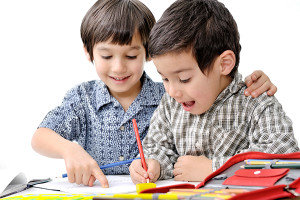
Use manners to connect. With the exciting (and noisy!) arrival of the garbage truck, talk about how we’re all connected: The farmer grows the food, we throw out the peels or waste, and the trash collector picks it up. If your child’s out watching the trash collector, she can say “thank you.” Good manners, which keep us coexisting harmoniously, are one way to show compassion. As much as you can with a squirmy toddler, make good manners part of her daily routine.

“Habits like this can help form character,” says the Reverend Dr. Julia Gatta, an Episcopal priest and associate professor of pastoral theology at the University of the South in Sewanee, Tennessee. “There’s another person at the other end of the relationship who has feelings and deserves respect.”

Guide friendship

Stay tuned in during playtime so you can help your child figure out how to be a friend.

Outlaw name-calling. Compassion starts with what’s acceptable and what’s not. “A little guy called someone a ‘poo-poo head,'” says Jensen. “Immediately, he had to go to time-out or come up to see me. I told him, ‘I know you know that word is unacceptable.'” Explain to her—often—that being kind to others is the rule. You can tell her when she gets into a tiff, “You don’t have to like that person, but everyone has to be nice.”

Give consequences. If the be-nice rule is broken, stick with simple, concrete consequences such as a brief time-out or losing a special toy for a day. A 3-year-old’s abstract thinking is weak, so she’s too young to understand that being nice is morally the right thing to do; your efforts, therefore, should be directed at helping her resist impulses so she won’t get in trouble.

Label kindness. When you catch your child offering a shovel to a friend in the sandbox, label her actions by saying “What a good friend you are,” or “You’re very thoughtful.” Over time, she’ll understand that being a helpful friend, sister, neighbor, and human being is something you value.

Be considerate yourself. While it’s tempting to hand out birthday-party invitations at the park instead of going to the trouble of mailing them, explain to your child that kids who see other children getting invitations but don’t receive one themselves may feel hurt. And all through the year, get her in the habit of sending cards to friends and relatives who could use a kind word: thank-you notes, sympathy cards, get-well wishes. For a child not yet up to writing a message, even a drawing is great.

 

Portrait of schoolgirl passing red apple to classmate during lesson


Don’t trash talk. Kids, as we know, are always listening. How we talk on a daily basis about our own siblings, parents, and relatives tells them a lot. If children hear us saying something really negative about Grandma, they learn that it’s okay to talk that way, says Suzanne Coyle, Ph.D., a mom and director of the Marriage and Family Therapy Program at Christian Theological Seminary in Indianapolis. So keep meanness in check: “Show them you have a spirit of kindness and generosity.”

Encourage helping

With their increasing awareness and independence, preschoolers are ready to participate, if you show them how.

Give pennies. Kids want to feel they can make a difference, so bring charity down to their level. “Every week the children bring in pennies and count them,” says Nancy Manewith, director of the Board of Jewish Education Early Childhood Centers of Metropolitan Chicago. “It’s just part of our pre-math program.” Then the pennies go to charity or to buy mittens and scarves for poor children, which opens the door to conversations about war and poverty.

When talking to your own child about such things, be honest, but don’t feel you have to include every scary detail. Keep explanations simple, and ask simple questions, like “How can we help them?” If his al-lowance is five dimes, ask him how many dimes he’d like to set aside to give to a food bank or drop in a collection jar. Giving him the choice will make him more excited about the idea.

Assign chores. The habit of helping others starts with chores at home. Children love to feel capable, so assign a manageable task like setting the table or feeding the cat. Make a schedule and put it on the fridge so your child can keep track of what he needs to do. When her kids ask why they have to do chores, Anna Notation-Rhoades of Sewanee, Tennessee, a mom of five, tells them “we’re all part of the family, so by helping the family we’re helping ourselves.”

Use stories. Reading books together can be a natural way to help your child start to understand that children aren’t all the same. Books like Faith the Cow, by Susan Bame Hoover, about how the gift of a cow can change the life of a poor family, or Houses and Homes, by Ann Morris, which has photos of houses around the world, can show that kids in other countries want the same things: to feel safe, to be liked, to learn things, to have fun, and to be with their families.

Point out heroes. The siren of a fire truck, not to mention a newspaper photograph of a bomb attack, can make a 4-year-old worry. Shield him from disturbing images as much as possible, but when he hears or sees something frightening, focus the conversation on the firefighters, rescue workers, doctors, or volunteers who are there to help us.

Build on their smarts

Your child’s made cognitive and emotional leaps—help him understand others’ feelings.

Explore feelings. With an increasing vocabulary, a 6-year-old is able to communicate more about emotions. Talking about book characters is a good way to help. “We’d read Snow White and I’d ask, ‘Why do you think the witch was jealous of Snow White?'” says Rev. Gatta, who’s also a mom of a 12-year-old. “Later, maybe in the car, we’d talk about characters’ motives and feelings.”

Monitor media. If the characters on television are hitting each other or calling each other names, shut off the TV or, at least, talk about what’s going on. Children don’t just watch TV, they internalize it, and they don’t get irony, so be careful of what they’re memorizing.

Expect more. When it comes to your child’s responsibility to be caring and compassionate, set your standards high. Don’t let teasing or bullying go unaddressed. At 7 and 8, kids are starting to be able to see the world from another person’s perspective. In a complicated and troubled world, it’s easy to feel that nothing we do will make a difference. This can lead to compassion burnout—for us and for our kids. The key is to start small.

As for my battered Teddy, it was a very small problem in search of a solution. So we repaired her. Claire chose blue felt for her eyes and pink for her nose. She cut out the shapes, which made them interesting to behold. Teddy’s not her old furry self, but she’s much improved. Now, years later, every time Claire hugs my old bear, she knows she made a difference.

 download (3)

elementHeart Disease:
By ELAINE ST. PETER

Heart disease is the leading cause of death in the United States. In a new study
from Brigham and Women’s Hospital and Harvard Medical School published in the April
26 issue of JAMA, researchers found that women who work more than 10 years of
rotating night shift work had a 15 to 18 percent increased risk of developing
coronary heart disease, the most common type of heart disease, as compared with
women who did not work rotating night shifts.

“There are a number of known risk factors for coronary heart disease, such as
smoking, poor diet, lack of physical activity and elevated body mass index. These
are all critical factors when thinking how to prevent coronary heart disease.
However, even after controlling for these risk factors, we still saw an increased
risk of coronary heart disease associated with rotating shift work,” said lead
author Celine Vetter, an HMS instructor in medicine and a chronobiologist at Brigham
and Women’s. “Even though the absolute risk is small and the contribution of shift
work to coronary heart disease is modest, it is important to note that this is a
modifiable risk factor, and changing shift schedules may have an impact on the
prevention of coronary heart disease.”

Get more HMS news here

Researchers examined the association between rotating night shift work and coronary
heart disease over a period of 24 years. About 189,000 women in the Nurses’ Health
Study I and II who reported their lifetime exposure to rotating night shift work
(defined as three or more night shifts per month, in addition to day and evening
shifts) in 1988 and 1989 were included in the analysis.

These women also reported on their coronary health, indicating whether they had an
angiogram that confirmed coronary heart disease-related chest pain, a heart attack
or cardiovascular procedures such as angioplasty, coronary artery bypass graft
surgery or stents. 

In the case of a self-reported heart attack, or death, information was confirmed by
medical records and death certificates to ensure that the event was related to
coronary heart disease.

Questionnaires also collected data on known risk factors of coronary heart disease
every two to four years throughout the study period. Over the 24-year period, more
than 10,000 newly developed cases of coronary heart disease occurred.

In addition, researchers also found that recent shift work might be most relevant
for coronary heart disease risk and that longer time since stopping shift work was
associated with decreased coronary heart disease risk, a new finding that
researchers note warrants replication.

“Our results are in line with other findings, yet it is possible that different
schedules might carry a different risk, and we have very little information on exact
schedules, as well as work start and end times,” said Vetter, who is also an
associate epidemiologist in the Channing Division of Network Medicine. “We believe
that the results from our study underline the need for future research to further
explore the relationship between shift schedules, individual characteristics and
coronary health to potentially reduce coronary heart disease risk.”

Researchers note that individual characteristics such as the individual’s biological
rhythm, disrupted in rotating night shift workers, and information on sleep patterns
and quality might modulate coronary heart disease risk.
element
image1 (2)

Throughout history, many of the richest of the rich have felt a responsibility to help the less fortunate.

Billionaire investor and philanthropist Warren Buffett has taken the call to action a step further by asking billionaires to follow his lead.

By signing The Giving Pledge, created by Buffett, billionaires make a public promise to dedicate most of their wealth to philanthropy.

To date, there have been more than 125 pledgers from around the world, many of them high-profile philanthropists and self-made titans.

Here is are some of the signers:

bill

Pledger: Bill Gates, co-founder, Microsoft

Estimated net worth: Around $81 billion

Pledged to give away: “We have committed the vast majority of our assets to the Bill & Melinda Gates Foundation,” wrote the Gateses in their pledge letter.

Charities: The Bill and Melinda Gates Foundation supports ending extreme poverty and poor health in developing countries, and is working to help America’s education system.

element

fgdffd
Pledger: Larry Ellison, co-founder, Oracle

Estimated net worth: Around $51 billion

Pledged to give away: “I put virtually all of my assets into a trust with the intent of giving away at least 95 percent of my wealth to charitable causes,” wrote Ellison in his pledge letter.

Charities: The Ellison Medical Foundation’s mission is to research and prevent age-related diseases and disabilities.

element

xzdsds

Pledge: Michael Bloomberg, founder, Bloomberg LP

Estimated net worth: Around $35 billion

Pledged to give away: “… I am enthusiastically taking The Giving Pledge, and nearly all of my net worth will be given away in the years ahead or left to my foundation.”

Charities: Bloomberg Philanthropies donates to a variety of causes, including education, arts, public health, environment and government innovation to improve city life.

element

df

Pledger: Mark Zuckerberg, CEO, Facebook

Estimated net worth: Around $35 billion

Pledged to give away: Most of his wealth

Charities: In 2013, Zuckerberg donated Facebook shares worth just under $1 billion to the Silicon Valley Community Foundation.

element

Monte’s Local Kitchen & Tap Room:

element

image1


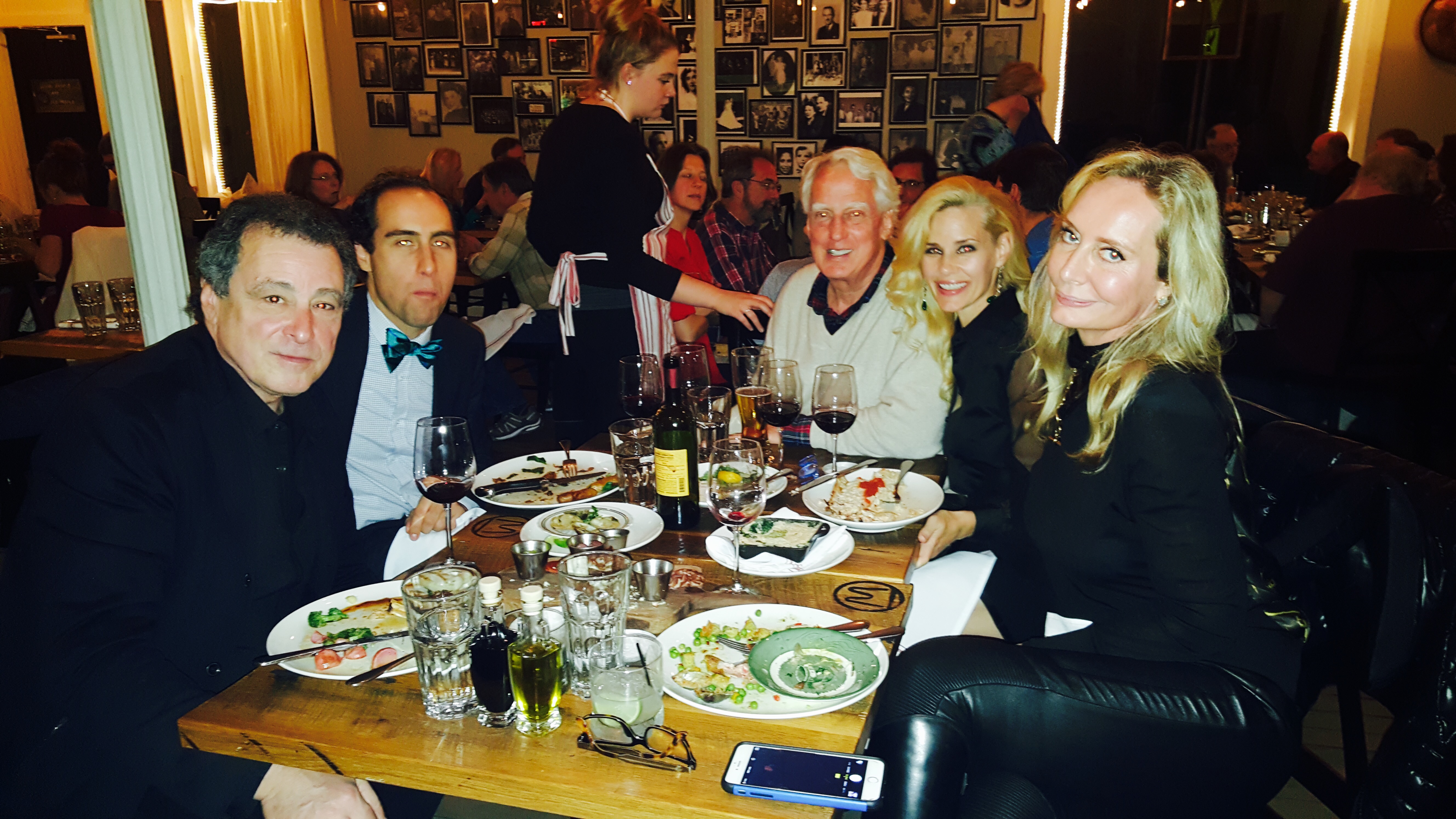
Robert Gladstone, Isaac Lazerson, Robert Trump, Michelle-Marie Heinemann, Marie-Claire Gladstone.


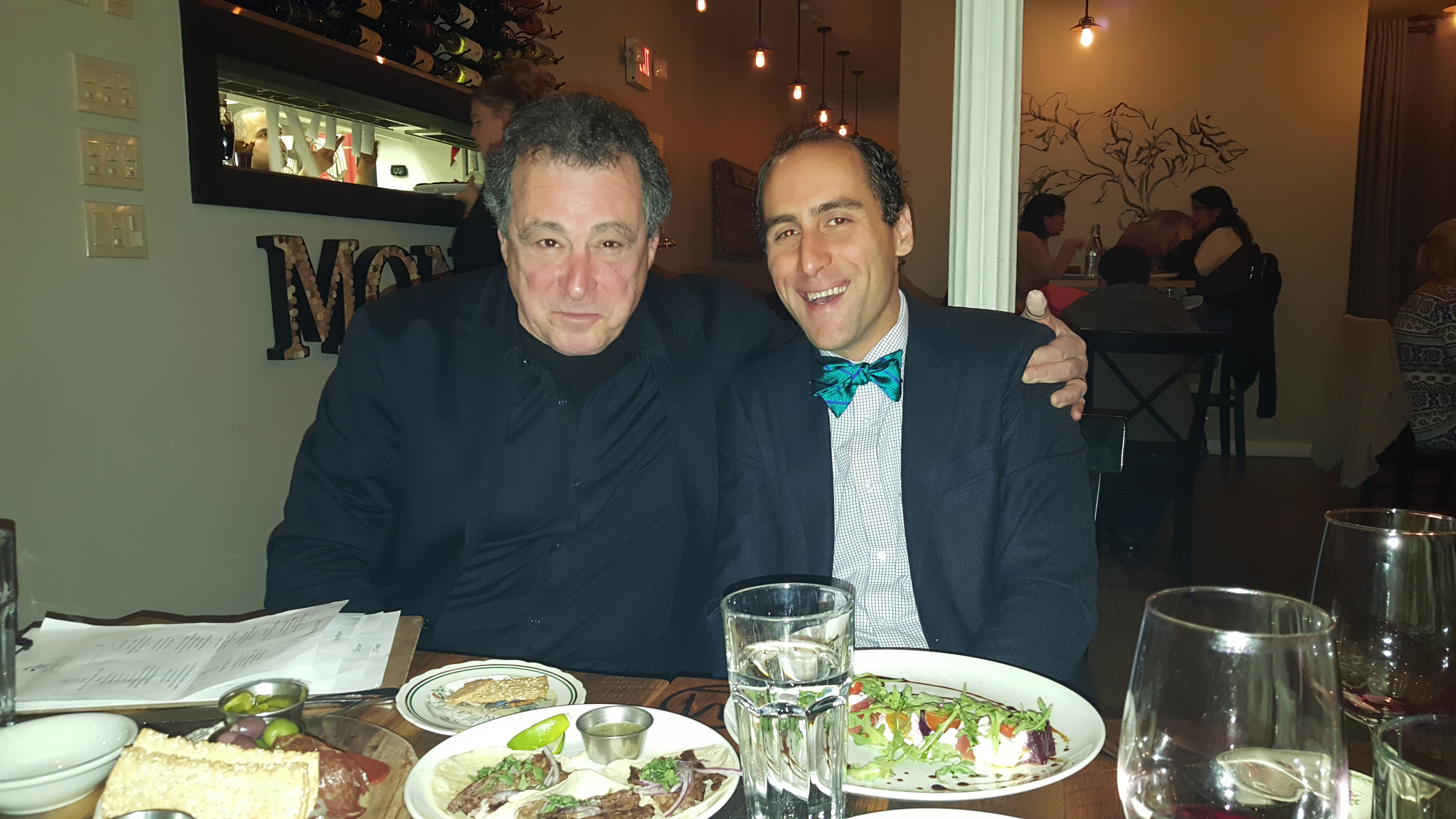
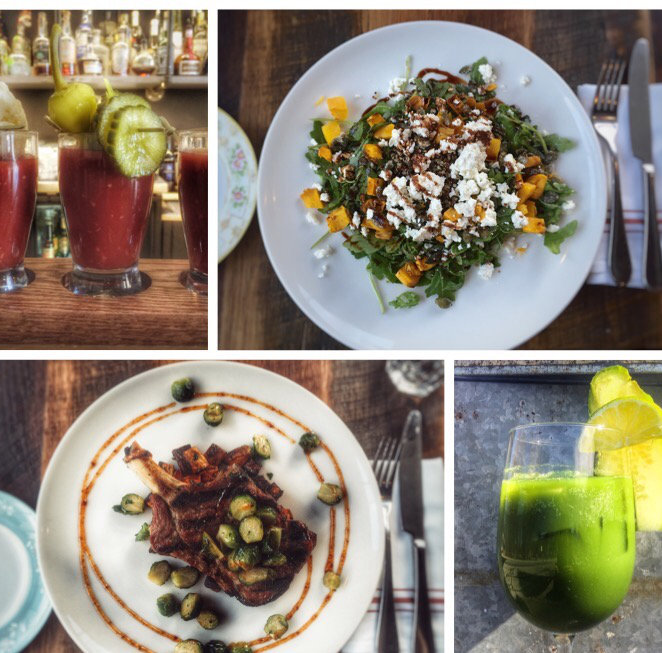
This past weekend I dined at Montes in Amenia, New York. It was completely fabulous as the menu offers a wonderful selection “from the farm” “from the sea” and “Montes specials.” I ordered the local trout stuffed with mushrooms, risotto and Montes signature tomato sauce…it was perfect and paired beautifully with a crisp Sauvignon Blanc from the nicely curated wine list.

element

image2

element

The Monte Family has and continues to signify a tradition of gracious hospitality for over a century, beginning in 1906 with the founding of Monte’s Venetian Room in Brooklyn, NY.

Monte’s Venetian Room was founded by Angelo and Philomena Montemarano, two Italian immigrants who met, fell in love, and continued to strive together both personally and professionally their whole lives through. During the Great Depression, Angelo, Philomena and their seven sons were forced to move into an apartment above Monte’s Venetian Room when they lost most of their real estate holdings. When Prohibition was made Constitutional, Monte’s Venetian Room became a ‘Speakeasy’ with a password required for entry. World War II broke out and brought six of the seven brothers into the military, with one staying behind to run the business. All of the brothers made it home safely after the war only to be handed aprons after 3 days of “vacation” and were put to work.  

Through this, the Monte family stuck together and moved forward to purchase and manage the iconic Gurney’s Inn in Montauk, NY, while unofficially adopting the Sly and the Family Stone song, ‘We are Family’ as a personification of their own. That on-premise, responsible family management was just a continuation of the values and gracious hospitality that were handed down from the family founders, Angelo and Philomena.

From the days of sawdust on the floors in Brooklyn, to the wide, white sandy beaches of Montauk, the Monte Family has lived and worked through every important local, national, and international event including the Great Depression, Prohibition, two World Wars, the Hippy Generation/British Invasion, the man on the moon and so many more. In every case, important events dictated special circumstances that had to be dealt with and adjusted to in order to survive. Through these times, the Monte family was able to provide flexibility to manage these changes, yet they continued to embrace a stable sense of hospitality that helped many individuals cope with the stressors that the ever changing times would bring.

Today, the Montes have reinvented themselves in the Hudson Valley of New York with the advent of Monte’s Local Kitchen & Tap Room in Amenia. This more recent development in the long historical legacy of the Monte Family came about in 2014 when Ann Marie Pallan, one of the third generation siblings, found a location in Amenia, NY that so closely resembled the original Monte’s building in Brooklyn. Ann Marie was so taken aback that she immediately called her brothers and sisters to come up to the Hudson Valley to see for themselves. Shortly thereafter, the seeds were sown for the birth of a new entity to be called Monte’s Local Kitchen & Tap Room. Subsequetly, a partnership was formed between the Monte family and Dafna Mizrahi, a graduate of the Culinary Institute of America and now General Manager and Executive Chef, to continue the tradition of hospitality for future generations to come.

From our family to yours, it is assured that you will always feel at home with us. To many more generations and years of hospitality to come- enjoy!

image13

image1 (1)

image6image2 (1)

Monte’s is a great place to have fresh delicious food, relaxed conversation and even live music on Friday nights!!!!

elementContact:

(845) 789-1818

MontesKitchen@gmail.com

Address:

3330 NY-343,

Amenia, NY 12501


Cirque du Soleil – Montreal


111

element

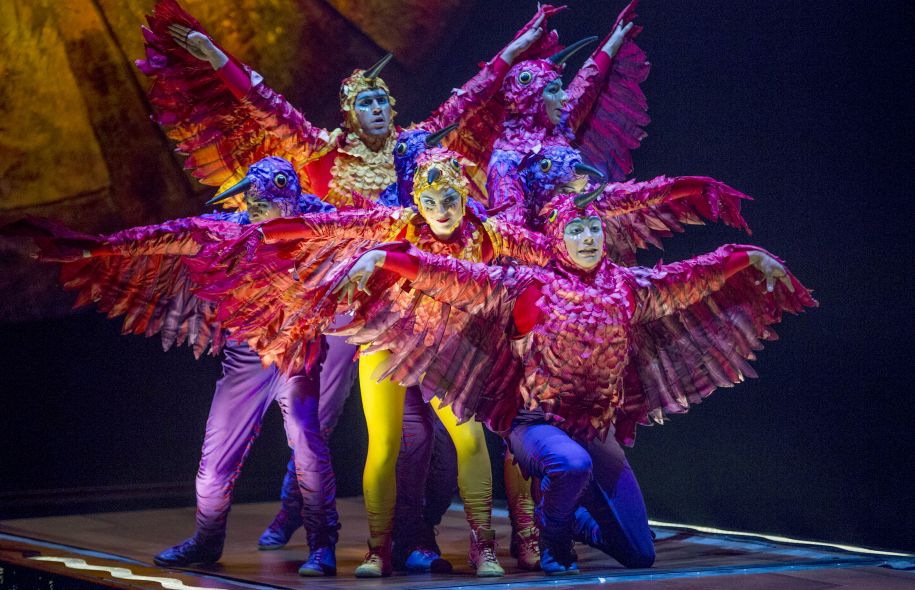
A visit to Cirque du Soleil is a must, concierge at The Ritz-Carlton, Montreal, arranged front row tickets for my family within a hour, and the performance was mesmerizing.

Luzia is the Cirque’s 38th original production….it is completely fabulous and inspired by Mexican Culture. It is written by Daniele Finzi Pasca and Julie Hamelin Finzi and directed by Finzi Pasca.

element
DSC_0256

222

MONTREAL, QUE.: MAY 3, 2016 -- Contortionist Aleksei Goloborodko from Russia performs during Cirque du Soleil's Luzia show on May 3, 2016 presented in the Old Port.(Marie-France Coallier/ MONTREAL GAZETTE) ORG XMIT: 56048

image1(2)

image2(2)

element


Happy Mother’s Day:

There Are Angels God Puts on This Earth.

image1