Posts Tagged ‘Summer’

1. Get creative with containers
If you have a container that holds soil and allows for drainage, you’ve got yourself a potential vegetable garden. A mint tin, an old washtub, a basket, a trash can or a wine box can all be transformed into homes for plants—just add drain holes to the sides and bottom and fill it with soil.
No cash? No problem! Check out 19 Gardening Shortcuts That Save Time and Money!
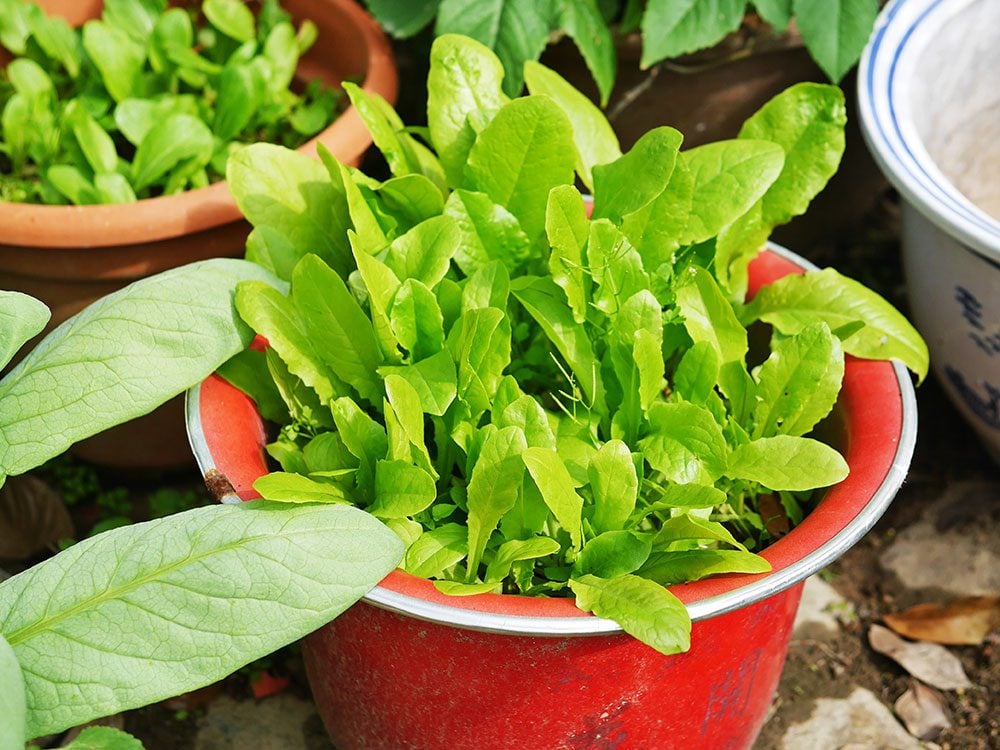
2. Find the right spot
If you have a flood of light coming in through south-facing windows, or an entryway with plenty of sun and room for both a path and plants, you’re in business. Setting up an indoor space with supplemental light is also an option. Rooftops, decks and balconies are great places for a vegetable garden, too. Use walls, fences and hanging gardens to optimize finite space. If your home has limited access to the outdoors, your best bet may be to find a community garden or share the yard of a neighbour, or these five inspired indoor gardening ideas.

3. Keep an eye on things
Place the vegetable garden where you can see it from a window, in a spot you pass by on a daily basis or in a place you like to be. This immediately shifts the garden experience from burden to lifestyle. Time spent tending to your garden—a few minutes here and there—becomes part of your every day routine.
Would you prefer flowers, perhaps? These are eight of the best annuals for container gardening!
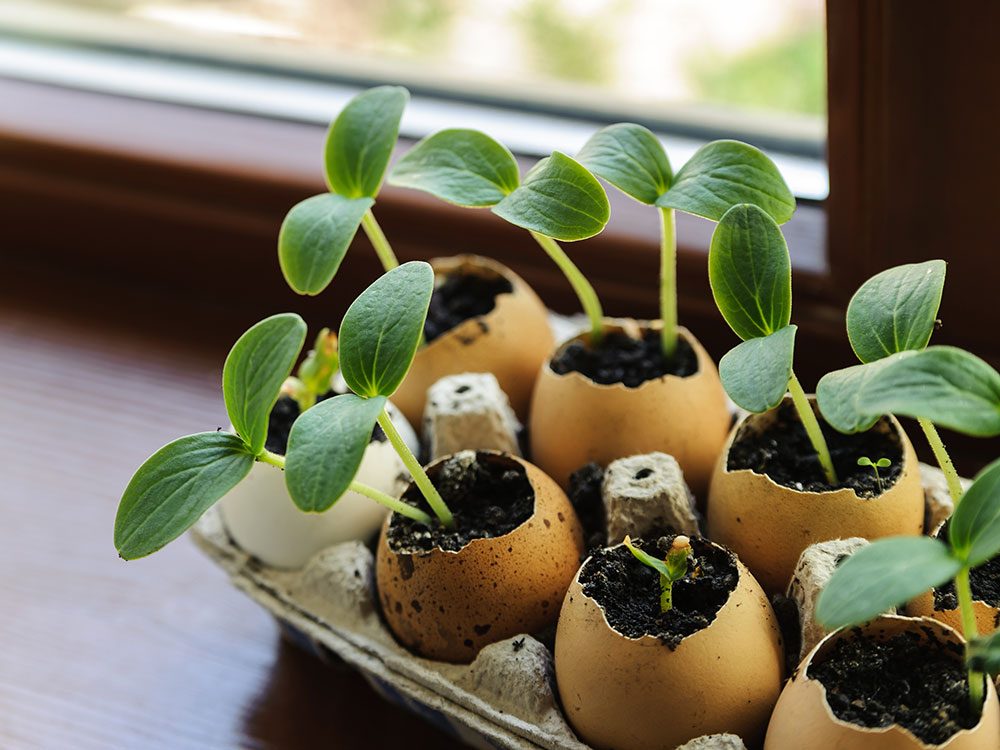
4. Start small
Raised beds, troughs and potted stairway gardens help focus your attention and manage your time. At this scale, you can easily see where to weed and what needs to be watered.
5. Grow what you love
Find the things that make you happy—plants you enjoy cooking with or simply looking at. Make sure they work in your climate.
Check out these tips for growing successful seedlings!
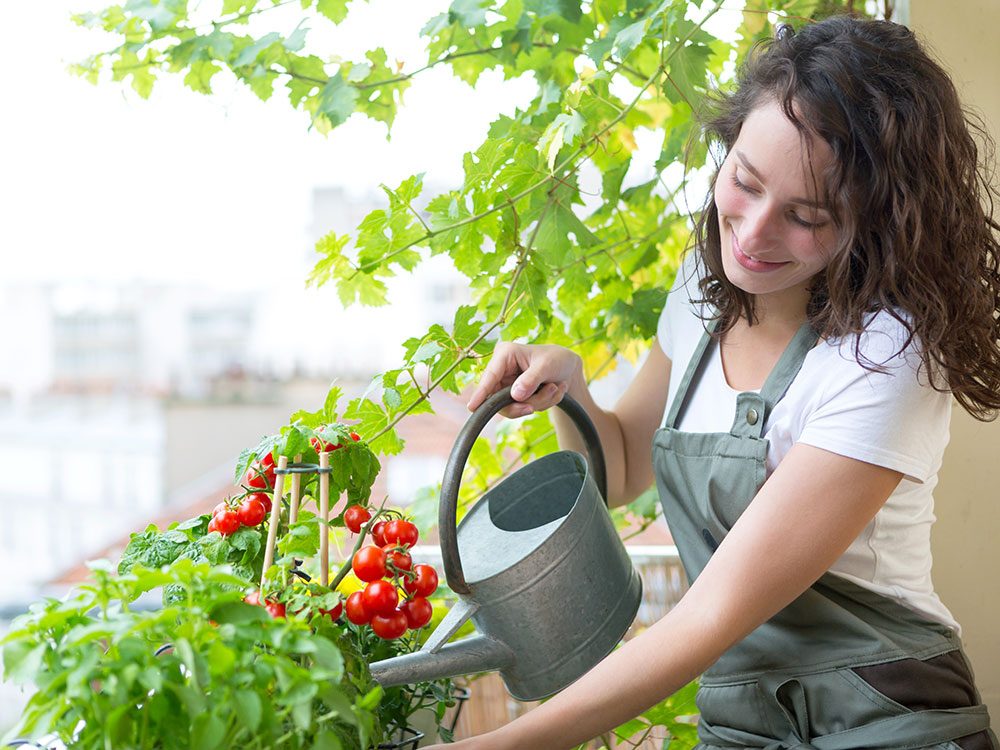
6. Set yourself up for success
Many plants need shelter from wind and animals. Take notice of who might be out to eat your garden before you do, and pinpoint your sunniest locations. A vegetable garden usually requires full sun (six to eight hours of direct light).
Check out these helpful hints for urban gardeners.

7. Get watering right
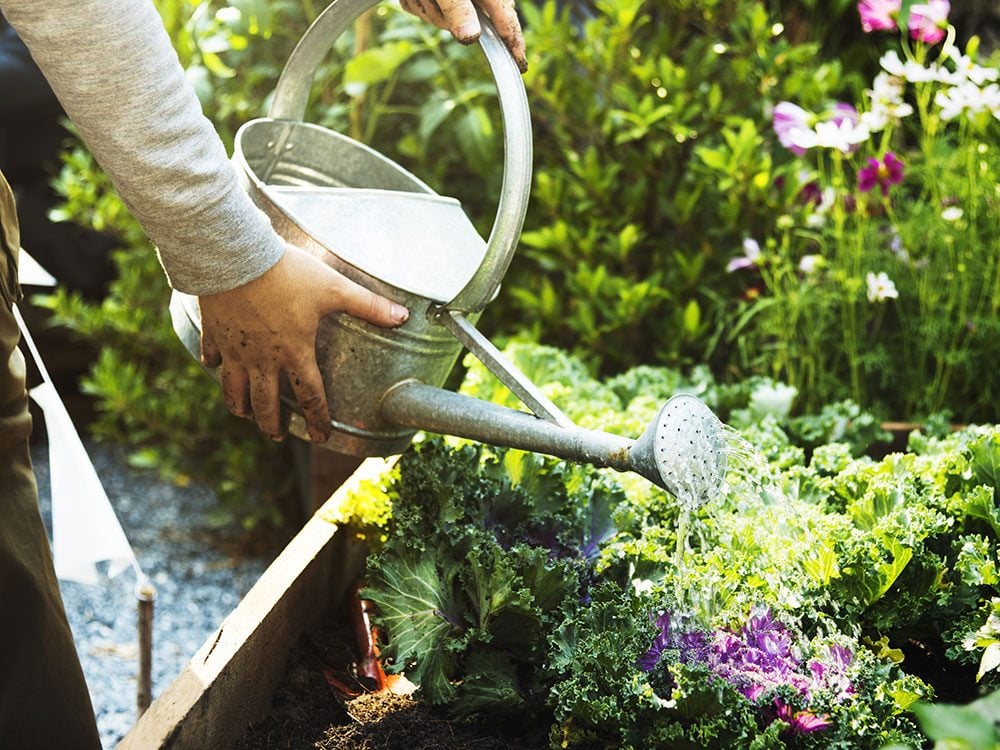
Soil-level watering helps prevent disease and conserve water. A well-planned drip or soaker hose system with an irrigation timer takes the worry out of gardening and reduces your time commitment. There are simple setups that connect to a spigot and can be run along patios, and more elaborate systems for larger gardens. Nanny pots are perfect for small containers that would otherwise be watered by hand. If you’re away for a long weekend or simply want to guarantee your plants are getting the water they need, fill a bottle with water, flip it over and push the open end into the soil. The soil will seal the opening, and water will flow from the bottle as the soil dries out.
Want to grow your own natural medicine cabinet? Here are eight medicinal plants you can grow at home!
8. Take a cue from Mother Nature
In the wild, water runs downhill. So too should water in your garden. Make sure planters and garden beds have adequate drainage. Tend your soil, adding organic matter to make a healthy home for beneficial soil microbes and decomposers. And plant in polycultures—meaning, grow multiple crops in the same place. Diversity will minimize problems with pests and attract pollinators to your garden.

9. If it ain’t broke, don’t fix it
When a plant looks happy, it probably is, and further watering or fertilizing won’t make it happier. In fact, the opposite may occur.

10. Let go of perfect
Expect one-hit wonders, consistent winners and losing battles. Don’t wait for everything to be just so to start planting—embrace the fact that gardens are the definition of change. Some plants thrive while others die; you and your garden will evolve together.
BY EMILY MURPHY, FROM GROW WHAT YOU LOVE
All photo credits given to SHUTTERSTOCK
Posted in Advice
Tags: Old Fashioned Mom People, Old Fashioned Mom International Company, Magazine Company, Old Fashioned Mom, Old Fashioned Mom Advice, New York, Coffee Distributor, Global Company, High Society, 2018, Luxury Living, Magazine, Hudson Valley, London, Old Fashioned Mom Travel, Summer, Old Fashioned Mom Places, Old Fashioned Mom Real Estate, Old Fashioned Mom Daily News, Old Fashioned Mom Coffee, Old Fashioned Mom Events, Old Fashioned Mom Dining, Wealthy, Top Percent, World, Old Fashioned Mom Show, Old Fashioned Mom Things, Michelle-Marie Heinemann, Palm Beach, Old Fashioned Mom Magazine, New York City


1. Thunbergia (Black-Eyed Susan Vine)
Commonly known as Black-eyed Susan vine, this annual is a beautiful choice for hanging baskets or for containers where you can provide some sort of trellis or stake. The heart-shaped leaves are accented by five-petaled flowers in white, cream, yellow or orange with the deep-maroon central eye. Some rare varieties have rose or variegated petals. Thunbergia also makes a great flowering plant for indoor gardeners, so you may want to bring yours in for the winter.
2. Bacopa
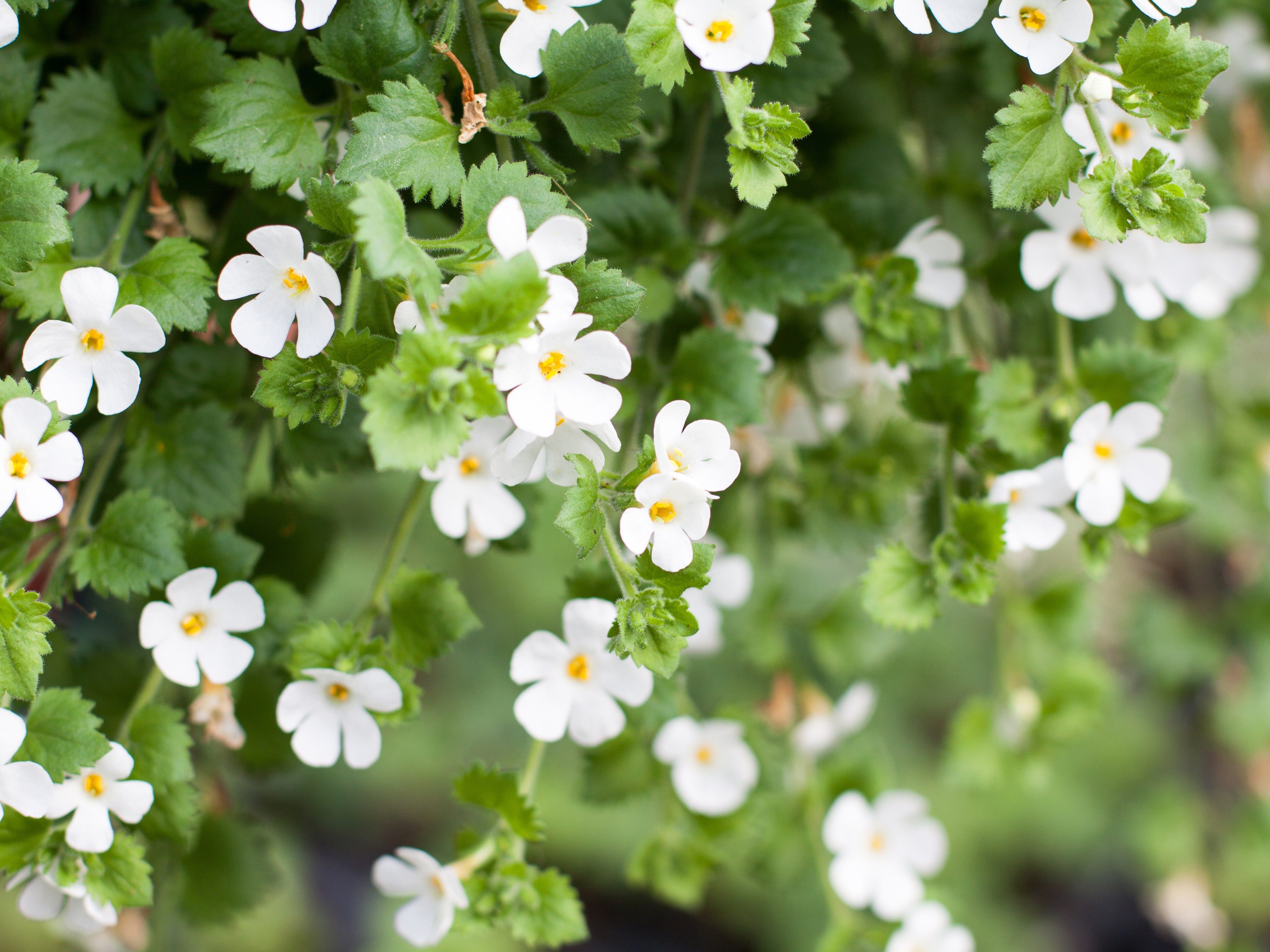
This is a graceful, compact annual, perfect for the ‘spilling over the edges of a container’ effect. Its foliage is strewn with petite white or lavender flowers. Once established it will flower until a hard frost. There are several cultivars available with variegated foliage, and all will grow well in sun to partial shade.

3. Fuchsia
A staple of hanging containers and other planters for many years, fuchsia is a hummingbird magnet. It boasts pendulous, bell-shaped flowers in rich shades of rose, cream and purple. The flowers are often bicolour. These plants do best in partial shade, as they don’t like overly hot growing conditions. If your climate is very warm, provide protection from the sun from midday onwards to keep your fuchsias happy. Deadheading spent flowers will prolong the bloom period until frost, especially if you fertilize every two to four weeks with a water-soluble fertilizer.

4. Calibrachoa
Sometimes called callies, trailing petunia or million-bells, these relations of petunias have become a staple of many container plantings because they’re so easy to care for. Unlike petunias, you don’t need to deadhead callies to keep them flowering, as they drop their spent flowers and bloom until frost. There’s a veritable rainbow of flower colours: rose, red, orange, yellow, bronze, violet, purple, and many bicolours. Callies will grow well in full sun, and don’t collapse in high heat conditions as long as they are well watered.

5. Ageratum
Sometimes called Floss flower, ageratum produces clusters of tuft-like flowers in blue, violet, white, or burgundy (a newer colour introduction in the past few years). Well suited to full sun or partial shade, most varieties are less than 12 inches tall, making them great candidates for window boxes or fillers in larger containers. If you find your ageratum becoming untidy, cut back your plant to a third of its height every couple of weeks. This will generate sturdy new shoot growth and plenty of new flowers.

6. Osteospermum
If you have a nice sunny spot, you can easily grow Osteospermums, a type of African daisy. Once established, they will bloom until frost with regular deadheading. They come in a rainbow of colours from soft yellow and peach to deep purple, with some blended colours in newer varieties. If you’re looking for something a little different, one specialized line of osteospermums has petals that are spoon-shaped instead of the standard daisy shape.

7. Nemesia
An ideal annual for sunny containers providing you keep it well watered, nemesia grows less than a foot tall and is a great filler plant because it bushes out well. This plant has many shoots bearing sprays of delicate flowers in a rainbow of shades and colour combinations. Nemesia grows easily from seed. You can also purchase the specialty cultivars to get unusual colour combinations. Some varieties are fragrant, which makes them a great choice to for containers on decks or along walkways where everyone can enjoy their scent.

8. Heliotrope
If you love scented plants, you’ll adore heliotrope. Its fragrance ranges from a light baby powder scent, to sweeter smells like cream soda, vanilla, or cherry pie. The plant’s glossy, deep green foliage is topped by clusters of tiny florets in dark purple, or (less commonly) white. This compact (15 inch maximum) annual resents soil that is too dry, and will be chilled by cool nights, so keep it well watered and don’t plant it outdoors too early in the spring
BY JODI DELONG
Posted in Best of the Best
Tags: Old Fashioned Mom People, Old Fashioned Mom International Company, Magazine Company, World, Old Fashioned Mom Advice, Old Fashioned Mom, New York, Luxury Living, Flowers, Global Company, High Society, Coffee Distributor, 2018, Best Flowers for planters, Magazine, London, Old Fashioned Mom Real Estate, Old Fashioned Mom Places, Old Fashioned Mom Daily News, Old Fashioned Mom Coffee, Old Fashioned Mom Events, Hudson Valley, Old Fashioned Mom Dining, Top Percent, Wealthy, Old Fashioned Mom Show, Old Fashioned Mom Things, Summer, Old Fashioned Mom Travel, Michelle-Marie Heinemann, Palm Beach, Old Fashioned Mom Magazine, New York City
Mowing Your Lawn Every Week? Stop Right Now.
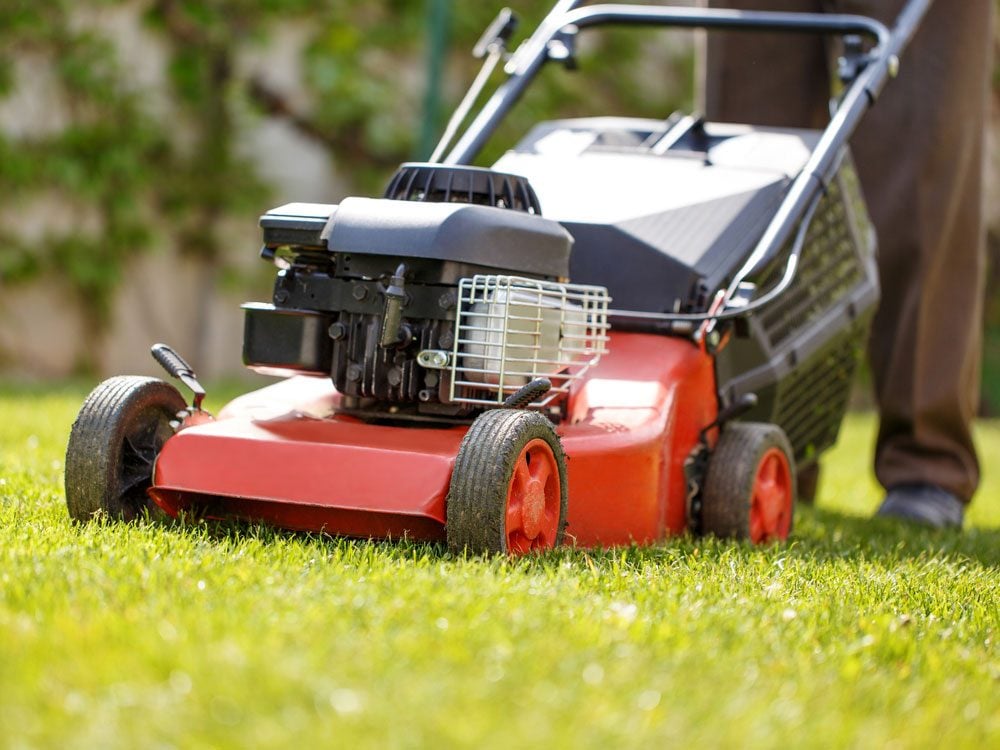
We get it—there’s nothing as satisfying as looking out at a freshly mowed lawn on a summer’s day. Mowing your lawn means keeping those weeds and wildflowers tame around your landscape, which probably seems like a problem that needs to be dealt with frequently. However, you may want to consider letting those wildflowers and weeds grow just a bit for the bees.
Yes, bees. By mowing your lawn every week, you are leaving no life for bees to feed on. Now maybe this doesn’t seem like a huge problem, because who would want bees on their lawn? They are even more annoying than those weeds and wildflowers, so mowing your lawn consistently seems like the ultimate solution. However, if you keep a garden (or care about the growth of vegetables and fruit), you need to feed the bees. (Check out these simple tips for growing a vegetable garden anywhere.)
Bees are natural pollinators, which help the growth of your plants. By having plants to feed on, they can cross-pollinate and help to naturally fertilize your plants. This is especially crucial for the growth of vegetables and fruit. According to an article published by the National Resources Defense Council (NRDC) in March of 2011, cross-pollination helps at least 30 per cent of the world’s crops to grow, and 90 per cent of wild plants. Without bees, these plants wouldn’t thrive or could even die off completely. (These 19 gardening shortcuts save time and money.)
In 2007, beekeepers were seeing cases of colony collapse disorder (CCD) where honeybees were leaving their colonies for good. Typically worker bees don’t leave their colonies unless a queen leaves the hive and brings along bees with her. The fact that bees are leaving can happen for numerous reasons, but not having enough food or water is certainly one of them.
Now maybe you hate bees and don’t really care about them thriving at all, but if you care about your garden, you would consider mowing your lawn at least every other week so the bees have something to feed on (and use to pollinate your precious plants).
BY THE EDITORS OF THE FAMILY HANDYMAN, FAMILYHANDYMAN.COM
Posted in Advice
Tags: Old Fashioned Mom People, Old Fashioned Mom Places, Magazine Company, Old Fashioned Mom Advice, Old Fashioned Mom, Old Fashioned Mom Coffee, New York, Global Company, High Society, 2018, Coffee Distributor, London, Luxury Living, Magazine, Hudson Valley, Old Fashioned Mom Travel, Old Fashioned Mom Real Estate, Old Fashioned Mom Dining, Old Fashioned Mom Daily News, Old Fashioned Mom International Company, Old Fashioned Mom Events, Top Percent, Summer, World, Wealthy, Old Fashioned Mom Things, Old Fashioned Mom Show, Michelle-Marie Heinemann, Palm Beach, Old Fashioned Mom Magazine, New York City

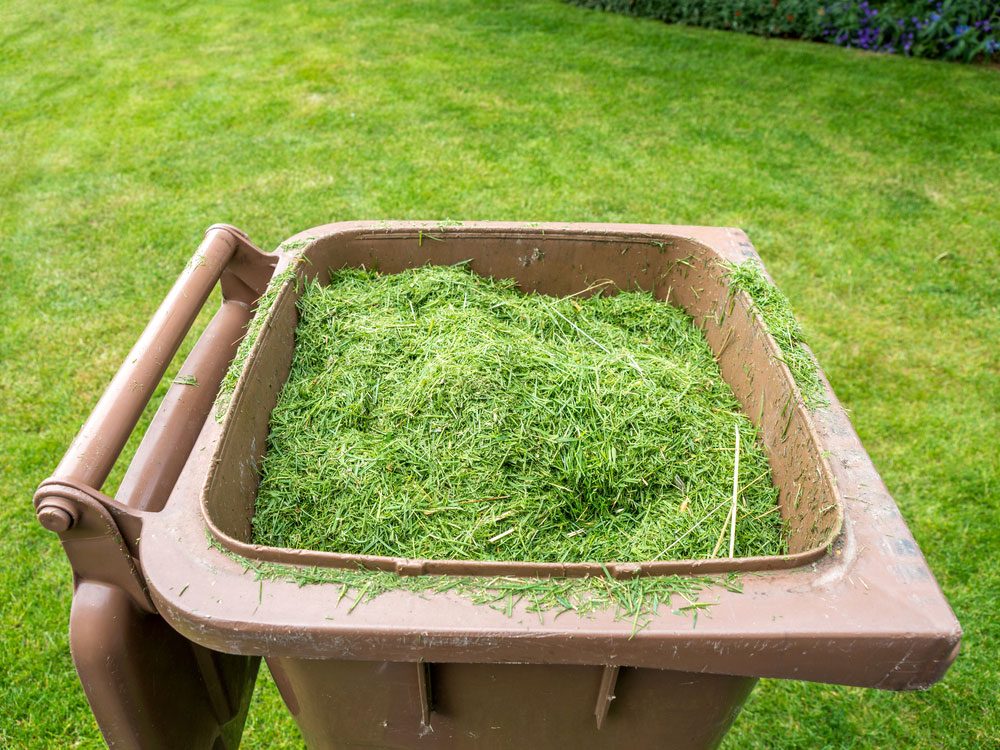
Don’t remove grass clippings
Leaving grass clippings on the lawn after you mow can cause thatch problems, right? Nope! That’s a myth. Turns out, grass clippings can actually help with the overall health of your lawn. And (bonus!) that means less work for you when you mow.
Don’t skip aerating
Most lawns, whether seeded or sodded, are planted over a fairly skimpy layer of topsoil. Over time, lawn mowers, pets, and pick-up football games compact the soil, making it difficult for air, water, and vital nutrients to penetrate to the grassroots. Your challenge: to restore healthy soil conditions that nurture your lawn. To loosen and aerate the soil, rent a power core aerator. They’re available at rental centres, plus some hardware stores and garden centres.
We’ll walk you through how to properly maintain your lawn here.
Don’t use a dull mower blade
Dull mower blades rip through the grass blades instead of slicing them cleanly, and that stresses the plant. You can always tell a lawn that’s been mowed with a dull blade because it looks brown on the top. Get on your hands and knees and you can actually see the damage. Be sure to sharpen your mower blade each season to keep your lawn in good shape.
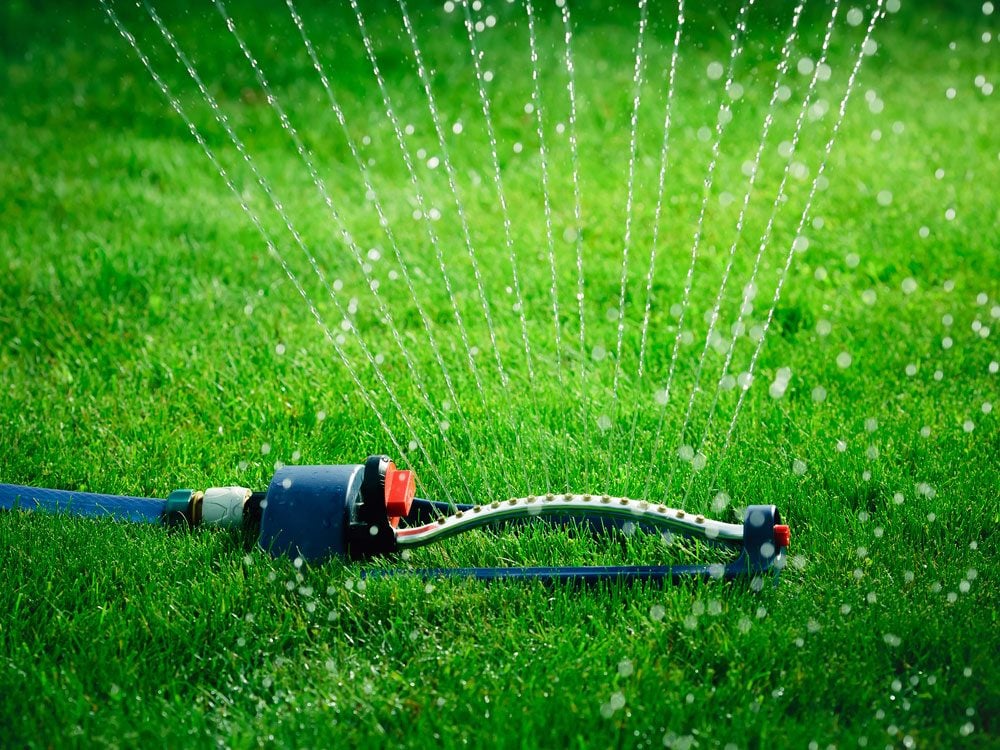
Don’t water every day
Did you know your lawn can actually get dependent and needy if it has too much water? Instead of watering every day for 15 minutes, choose one day a week to water the lawn for an entire hour. Your lawn will be watered deeply, and it will be healthier and more drought-tolerant.
Don’t forget to dethatch
Thatch is a layer of slowly decomposing grass stems, roots, clippings, and debris that accumulate at the soil surface over time. It can build up in your lawn and virtually choke it to death. Excessive thatch buildup is commonly found in lawns that have been overfertilized or overwatered and have never been aerated. Thatch buildup of 3/4 in. or more will restrict water and nutrient penetration into the soil (think thatched roof) and can harbour disease organisms that can increase the need for pesticides. Slice open a section of turf. If the thatch is more than 3/4 in. thick, take action.
Don’t miss these seven secrets for a greener lawn.
Don’t give up on shady areas
Growing grass under shade trees isn’t easy, but one key to success is choosing the right shade grass species and planting method for your region. In cool-season areas, you’ll get a better result using seed rather than sod. Sod is grown in wide-open fields under conditions that favour sun-loving grasses. Choose red and tall fescues for shady areas in Northern zones. Garden centres will have grass seed mixes formulated for shade. Late summer and mid-spring are the best times to establish cool-season grasses in shady areas.
Here are eight autumn chores for the lazy gardener.
Don’t wait too long between mowing
If you came back from a vacation and the neighbour kid neglected to mow your yard, don’t try and mow it down in one day. Cut off some of the length and then wait a couple days and mow again. This will cause less stress on the grass. You may need three passes depending on how long the grass grew.

But learn why you shouldn’t mow your lawn every week.
Don’t skip reseeding
Reseeding is a job you can do in a weekend if you have an average-size lawn. You’ll have to wrestle home a couple of engine-powered rental machines. And once your work is done, be prepared to keep the soil damp with daily watering for the first month or so. It’s the key to a successful reseeding job.
Don’t cut grass too short
Every grass type has an optimal cutting height, and you’re better off on the high side of that height. Here are a few reasons: The grass blade is the food factory of the plant. Short blades just can’t generate as much food as long blades. Long blades also shade and cool the soil. That means weed seeds are less likely to sprout, and you won’t have to water as often because water won’t evaporate as fast. Not sure what type of grass you have? Take a sample to a garden centre for identification.
Don’t miss these tricks to grow your best vegetable garden ever.
Don’t mow in the same direction every time
Instead, mow in a different direction every time: front to back, back to front, diagonal, etc. Repeatedly mowing the exact same way will cause the grass blades to grow at an angle, and you may develop permanent tracks from the mower wheels.
Follow these simple steps to designing your perfect garden.
Don’t cut wet grass
Mowing wet grass can cause the mower wheels to leave ruts in your yard, and you could leave behind giant clumps of clippings that could smother the grass beneath. And the wet grass will carpet the underside of your mower deck with a thick mat that’s a pain to clean. Yikes!
Don’t overfeed
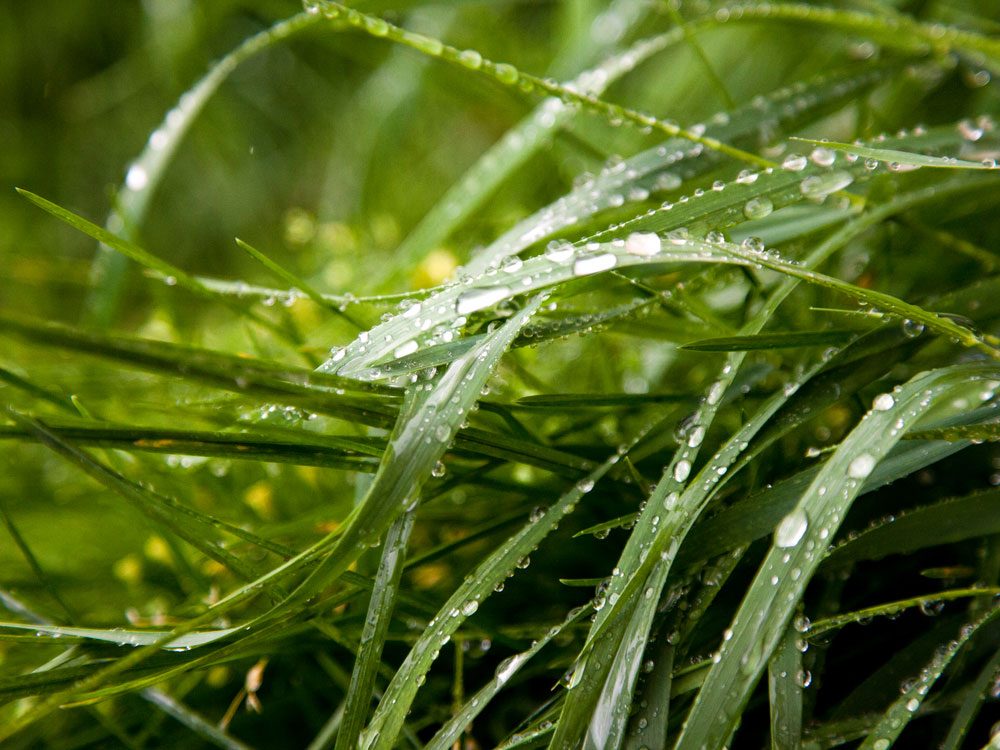
If you apply too much grass fertilizer, especially in sandy soils, a good share of it will leach through the soil and make its way into our precious groundwater, lakes, streams, and wetlands. Lawn grasses only need a certain amount of food. More isn’t always better.

Don’t ignore pet areas
Dog spots are round patches about four to eight inches in diameter with dead grass in the middle, encircled by dark green grass. They’re most apparent in the early spring when dormant grass first begins to turn green again. You have to replant your grass; it won’t come back on its own. But first, you have to dilute or remove the caustic urine from the soil. Thoroughly soak the area with lots of water.
BY JENNY STANLEY, RD.COM
All photos credits are given to SHUTTERSTOCK
Posted in Advice
Tags: Old Fashioned Mom People, Old Fashioned Mom International Company, Magazine, Magazine Company, Old Fashioned Mom Advice, Old Fashioned Mom, New York, Global Company, 2018, Coffee Distributor, High Society, Luxury Living, London, Hudson Valley, Old Fashioned Mom Travel, Old Fashioned Mom Show, Old Fashioned Mom Real Estate, Old Fashioned Mom Places, Old Fashioned Mom Daily News, Old Fashioned Mom Events, Old Fashioned Mom Dining, Old Fashioned Mom Coffee, Top Percent, Summer, World, Wealthy, Old Fashioned Mom Things, Michelle-Marie Heinemann, Palm Beach, Old Fashioned Mom Magazine, New York City

“I would always recommend grouping like with like. It enables people to find items quickly. All tank tops together, all capri pants together in one area. Some people like to group items by sleeve length-and there are a few in the spring and summer seasons. I’ve even seen people use colour-coded hangers but I don’t recommend it-too time consuming!” —Stacey Agin Murray, professional organizer, Organized Artistry
Divide and conquer
“I’ve worked hands-on with so many clients and they all tell me the same thing: They tend to pull everything out of their closets and then they run out of time and they push it all back in, which makes it worse than it was to begin with. So my suggestion to them is to divide and conquer. On a Saturday morning do your shoes, at other times do your slacks. People have told me that breaking it up into smaller projects has changed their life.” —Mary Pankiewicz, professional organizer and author of Clutter-Free & Organized
Damp-proof storage
“If you are lucky enough to have a basement for storage, help keep your winter clothes dry by putting pieces of chalk into a small cloth bag that you can pack with the clothes you’re storing. The chalk will absorb all the moisture, keeping your clothes protected.” —Ann Bingley Gallops
Tidy up your top shelf
“Those who stack sweaters and T-shirts on shelves in their closets know it can become a jumbled mess, since stacks often fall over. For those clients I recommend the Slide N Stax Clothing Organizer. It is amazing because it is a plastic clear piece with sides and a bottom that fits on the top shelf and you can just bring that one piece down when you need something, instead of tipping over your stacked items.” —Beth Levin, professional organizer, Closet Queen
Dump your wire hangers
“When it comes to hangers, Joan Crawford and I are on the same page – no wire hangers, ever! They ruin clothes and are only meant to be temporary. I am a personal fan of ‘crystal hangers.’ They are great for hanging tops without causing those ‘shoulder bumpies’ that can ruin a perfectly good shirt. Many of my clients ask me about ‘huggable hangers’ sold on QVC or HSN. I think they’re good if you wear silk-ish kind of blouses or a lot of tank tops. They’re touted as a space saver because they’re so thin.” —Stacey Agin Murray

“Use clear shoe boxes for hair accessories and lightweight scarves you’ll use throughout the spring and summer. You can even use a clear bin for small tank tops, shorts, etc. Take a Polaroid or cut out a magazine photo and tape it so you know what’s in the box. Those are fun and it will make getting to things so easy.” —Beth Levin
Turn store credit into cash on eBay
“Many stores won’t let you return for cash clothing you loved in the shop but never got around to wearing. However, they are likely to offer you store credit if you insist. So instead of letting unwanted clothes pile up in your closets, a better idea is to return them for store credit and then sell the store credit for cash on eBay. There’s a very vibrant market on eBay for store credit receipts and gift cards, which trade for very close to face value. I’ve seen $200 gift receipts from stores like Macy’s, Tiffany and Bloomingdale’s fetch $180, so you get most of your value back without having to find a buyer for your specific item or dealing with packing and shipping it.” —Dan Nissanoff, author of FutureShop

Short on Space?
“Look around your home for things that are going unused, that might be empty — like file drawers — and store things away in there. I have had a lot of clients that collect old suitcases and use them for storage — those don’t take up much room.” —Ann Bingley Gallops, professional organizer, The Organized Life
Hanger Trick
“Some of my clients love this tip: When you get out your spring clothes, put the hangers in backward on the rod but then when you wear a piece of clothing, hang it up facing the front. At the end of the season you’ll know what you’ve never worn.” —Mary Pankiewicz, professional organizer and author of Clutter-Free & Organized
Buff Up Your Closet
“Before you put your favourite spring things back into the closet, take the opportunity of having empty shelves to replace your shelf paper, vacuum the closet floor, and make the closet fresh and clean.” —Ann Bingley Gallops
Bag-and-Tie Overload?
“Purses on shelves tend to get messy. For those who have wall space in their closets, a great solution would be to purchase belt racks and hang them vertically instead of horizontally. That way, the bottoms of the purses don’t bunch up in the same place. This also works great for ties!” —Beth Levin

Flag It!
“Place Post-it colored flags facing out on each piece of clothing in your closet. Take the Post-it off when you wear an item. At the end of spring/summer, you’ll be able to see what you wore and didn’t. You can then determine whether those items can be donated — you’ll get tax benefits — or consigned for money.” —Beth Levin, professional organizer, Closet Queen
Host a Clothing Swap
“Get together a group of friends to bring clothes they are not using and certainly don’t want to discard — someone’s going to want it! Have a little cocktail party and everyone gets new clothes without spending money … so it’s a win-win situation.” —Ann Bingley Gallops, professional organizer, The Organized Life

Miracle Space Savers
“I grew up in an apartment and we had to get creative with our winter clothing storage. One solution is to purchase Space Bags and then suck the air out of them. The clothes then take up much less space and can be placed under a bed, a couch, or on a high shelf. Also, some local dry cleaners will store winter clothes for people (as long as they’re dry cleaning them for you, too).” —Stacey Agin Murray, professional organizer, Organized Artistry
BY CHANDNI JHUNJHUNWALA, RD.COM
Posted in Products. People. Places.
Tags: Old Fashioned Mom People, Old Fashioned Mom International Company, Magazine Company, Old Fashioned Mom Advice, Old Fashioned Mom Coffee, New York, Old Fashioned Mom, Global Company, High Society, Coffee Distributor, Magazine, Luxury Living, Hudson Valley, London, Old Fashioned Mom Travel, Old Fashioned Mom Things, Old Fashioned Mom Real Estate, Old Fashioned Mom Places, 2018, Old Fashioned Mom Dining, Old Fashioned Mom Daily News, Old Fashioned Mom Events, Top Percent, Summer, World, Wealthy, Old Fashioned Mom Show, Michelle-Marie Heinemann, Palm Beach, Old Fashioned Mom Magazine, New York City

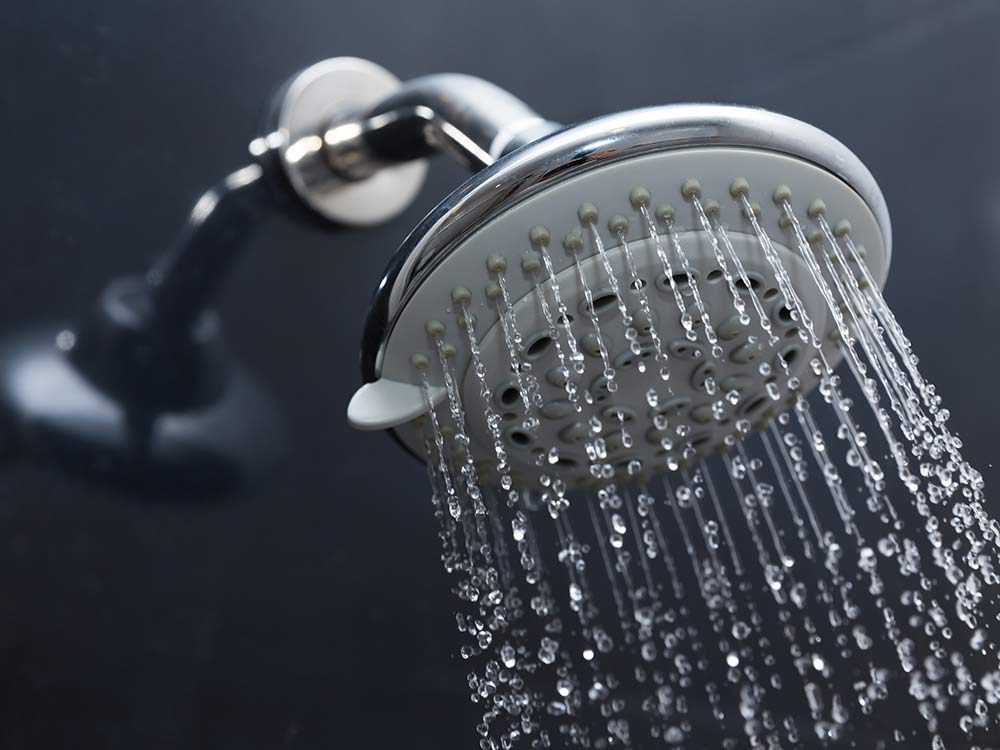
Mineral deposits can clog a showerhead and affect its pressure over time. To clean, fill a plastic bag with vinegar. Place the bag around the showerhead, submerging it in the liquid. Secure the bag to the neck of the showerhead with a twist tie and leave overnight. The vinegar will break down the buildup by morning.
Remove stains on pots and pans
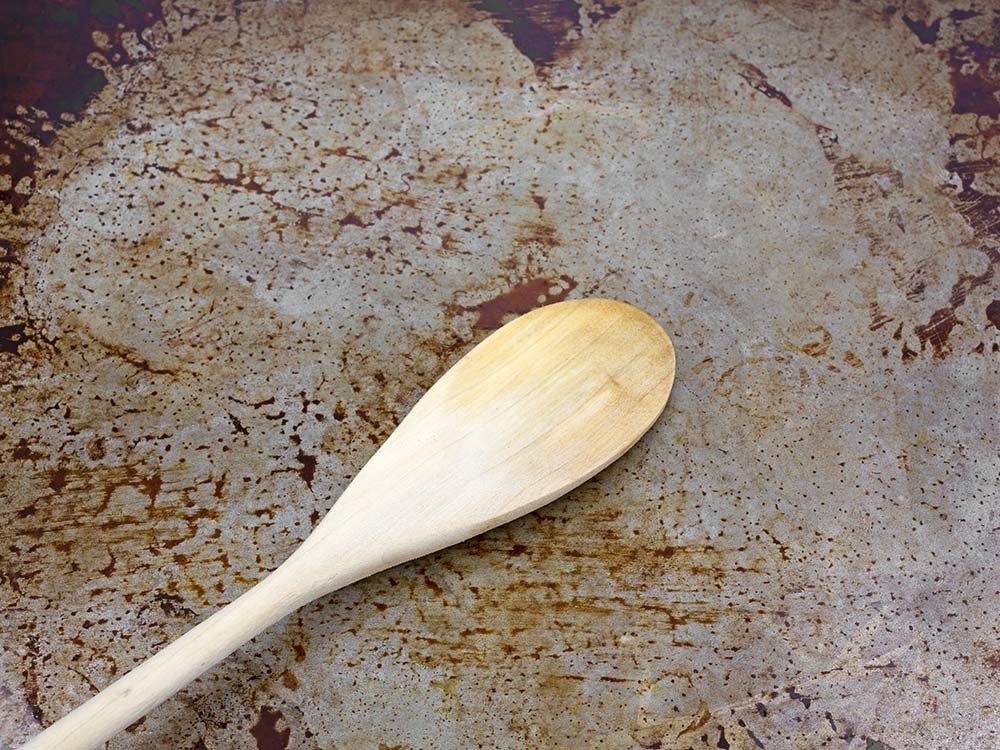
If a batch of cookies left your baking sheet gunky, let a dryer sheet clean it overnight. Place the sheet on the pan and fill with warm water. Cleaning agents in the dryer sheet will help loosen stuck-on grime and stains. In the morning, easily wipe off with a sponge.
Polish stove grates
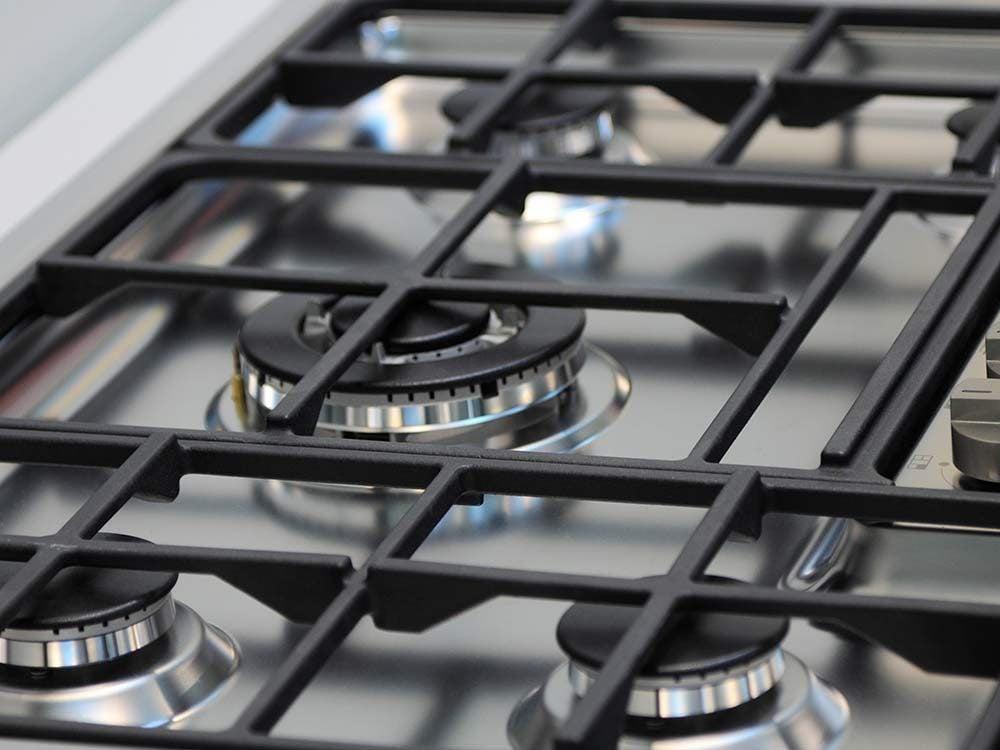
Cleaning greasy, food-splattered stove burners can be a tiresome chore. Before you go to bed, seal each burner in a large plastic bag with ¼ cup of ammonia. The overnight soak will make it easy to wipe off the surface with a sponge the following day.
Banish rust on tools
If your rusty tools have seen better days, fill a tray with Coca-Cola. Submerge the tools, allow to soak overnight, and scrub clean with a stiff brush in the morning. The soda’s phosphoric acid will help loosen the gunk.
Eliminate wet messes
If your sofa or carpet became the victim of an icky, wet mess (say, vomit or urine), mix a paste of baking soda and water to soak it up. Use a spoon to spread the paste over the soiled area. Allow to dry overnight, then vacuum in the morning.

Descale a kettle
Limescale can build up from calcium carbonate deposits in water, leading to an off-white, chalky deposit in your kettle. To clean, cut a lemon into large slices, place in the kettle, and add water. Bring to a boil, then take the kettle off the heat and leave overnight. The lemon’s citric acid will loosen the limescale. Toss the fruit and water mixture in the morning and rinse before using your newly cleaned kettle. Got other lemons lying around?
Clean bath toys
To make grubby rubber duckies, boats, and other bath toys new again, mix one gallon warm water with ¾ cup vinegar. Soak the toys overnight. Rinse thoroughly and allow to air dry.
Make diamonds sparkle
Quickly polish a diamond ring by filling a bottle cap with Windex. Soak the ring overnight and dry with a soft cloth in the morning to remove grime and add shine.
Remove red wine stains
If red wine marked up your favourite garment, sprinkle the stain with salt and cover with club soda. The salt absorbs the stain while the club soda’s carbonation and sodium helps lift it. Leave overnight before laundering.

BY KELSEY KLOSS, RD.COM
Posted in Products. People. Places.
Tags: Old Fashioned Mom International Company, Old Fashioned Mom People, Magazine, Magazine Company, Old Fashioned Mom Advice, New York, Old Fashioned Mom, Global Company, 2018, Coffee Distributor, London, Luxury Living, High Society, Hudson Valley, Old Fashioned Mom Coffee, Old Fashioned Mom Travel, Old Fashioned Mom Real Estate, Old Fashioned Mom Places, Old Fashioned Mom Daily News, Old Fashioned Mom Events, Old Fashioned Mom Dining, Top Percent, Summer, World, Wealthy, Old Fashioned Mom Show, Old Fashioned Mom Things, Michelle-Marie Heinemann, Palm Beach, Old Fashioned Mom Magazine, New York City

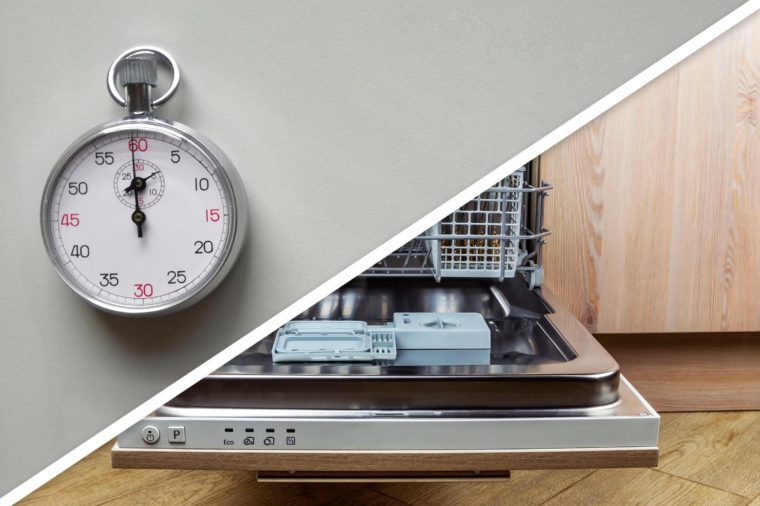
1. Fill Your Dishwasher—But Not with Dishes
Got a minute? Go around to each room in your house and gather up items you probably never clean, such as plastic toys, hairbrushes, and even flip-flops. Believe it or not, all of these things are dishwasher safe. Just toss them in your trusty dishwasher and let it work its magic—no matter how busy you are.
Here are 11 brilliant cleaning shortcuts lazy people will appreciate.
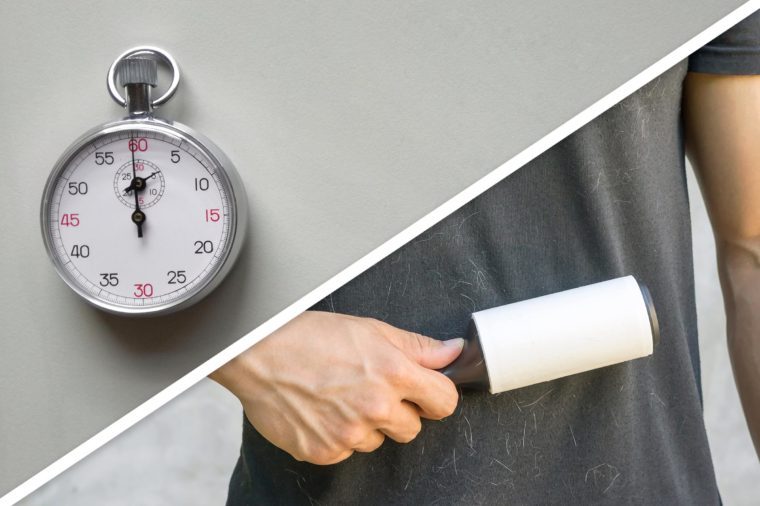
2. Spiff Up Your Space with a Lint Roller
Between soccer games, dance lessons, and PTA meetings, it’s tough to give our homes the deep clean they deserve. If you’re tight on time, take a lap around your home with a lint roller and run it over everything in sight. These handy gadgets can remove dirt and crumbs from couches, lamp shades, and any other hard-to-reach spots.
Check out these fast tricks to clean your home while you sleep.
3. De-Stink Your Furniture
There are some household odours that even a heavy dose of Febreze can’t kick. Instead, sprinkle baking soda onto smelly carpets, upholstered furniture, or mattresses, and then leave it while you make dinner or fold laundry. Vacuum it up after 15 minutes, and your home will feel (and smell!) fresher almost immediately.
Find out the unexpected health benefits of spring cleaning!
4. Search Coat Pockets and Purses for Trash
You use your coats and purses every day, but they are probably one of the last things you regularly clean. While you’re sitting in traffic or waiting for the oven to preheat, toss out any gum wrappers, old receipts, and other junk that have piled up over the months.
These eight spring cleaning tips will make your life easier!
5. Refold Clothes in a Messy Drawer
Reorganizing your entire dresser probably seems like a daunting chore. But if you break it down into smaller, more manageable tasks, you might be more likely to get it done. Start by choosing one cluttered drawer and refolding all of the clothes inside. It will only take a minute, but you’ll be one step closer to getting your home in tip-top shape.
You’ll want to steal these 16 expert-approved cleaning hacks!
6. Move Winter Coats to Off-Season Storage
No need to display bulky outerwear year-round. If the weather has recently warmed up, corral your winter coats and move them out of sight. You can box them up and put them in the attic, or simply hang them in the back of your closet. Either way, you’ll be thankful to have extra space for your spring and summer wardrobe.
Canada’s top organizers reveal how to declutter every room of your home.
7. Declog Your Showerhead
Has your shower’s water pressure seen better days? Here’s a handy hack: Fill a plastic bag with white vinegar, place it over the showerhead, and fasten it with a rubber band. Letting the bag soak overnight allows the vinegar to break down anything that blocks water flow. Your shower will work like new in no time (and you won’t have to lift a finger!)
Never, ever pour these 12 things down the drain!
8. Clean Your Car’s Grimy Cup Holders
Say goodbye to the nasty layer of gunk inside your car’s cup holders. Months of soda spills and sweaty water bottles can be erased in one minute; just give each holder a quick scrub using Clorox wipes.
Automotive experts share 13 tips on how to keep your car clean.
9. Toss That Unsightly Stack of Magazines and Newspapers
Not only is that huge pile of magazines gathering layers upon layers of dust, but it’s also a serious eyesore. As you take out the trash one night, bring the stack with you and toss it in the recycling bin. Trust us, your home will thank you.
Try more tips to organize every room in your house.
10. Declutter Your Coffee Table
Another fast way to tidy up a messy space is to clean one central item in each room, such as your coffee table. You can stash remotes in a drawer, gather small items into a classy bowl, and neatly arrange the other decor.
Check out the six hidden strengths of being a messy person.
11. Sanitize Your Gadgets
Bad news: Your toilet isn’t the germiest thing in your house—your smartphone is. In fact, a 2013 study found that tablets have up to 600 units per swab of staphylococcus (commonly known as staph) and phones have up to 140 units, on average. The typical toilet seat, by comparison, has less than 20 units. All the more reason to spend a minute scrubbing your gadgets with an alcohol wipe. And if you have a few more seconds, wipe down other electronics like your TV remote and computer mouse, too.
Don’t miss these 10 bathroom cleaning tips and tricks!
12. Unsubscribe to Junk Emails
Spring cleaning calls for tidying up every aspect of your life, including your electronic one. Between meetings at work, quickly unsubscribe to any newsletters or junk mail that you have ignored for months. You will be way more productive once your inbox isn’t cluttered with spam.
Find out what to do when your phone falls in the toilet.
13. Wash Your Silverware Tray
You probably wash your forks and spoons every day. As for the tray that holds them? Not so much. That little bin can get grimy, so take out the dishes and give it a scrub. If you’re really short on time, simply toss it in the dishwasher and run a hot, soapy cycle.
Check out the seven kitchen items that are surprisingly germs.
14. Untangle Your Cords
Let’s be honest: No amount of fancy decor can hide that ugly, tangled ball of wires behind your TV or computer. Plus, it makes your space look sloppy. Take a minute to organize the cords, using some Velcro, zip-ties, or rubber bands to neatly wrap them up.
Here’s what you need to know about preventing 10 common hazards.
15. Freshen Up a Smelly Sink
It’s time to face that funky odor coming from your kitchen sink. To banish the smell in seconds, simply place a few lemon peels into the drain, turn on the garbage disposal, and run cold water from the tap. Voila! No pricey plumber required.
Check out these 10 tips for cleaning your microwave, stovetop and oven!
16. Dust a Fan
Your fan is a dust magnet—but don’t wait until you flip the switch to find out. Do a favor for your allergies by cleaning your fans before the weather gets too hot. And for a more efficient way to trap falling lint, try dusting each blade inside an old pillowcase.
Here are 12 tips for health-friendly spring cleaning.
17. Wipe Down Door Handles and Light Switches
Think about how many grubby hands have touched your home’s door handles and light switches. Like it or not, the spots that we clean the least can carry thousands of germs. Spend a minute wiping down the door handles and light switches in one room. For a particularly greasy spot, a damp rag dipped in dishwashing soap should do the trick.
18. Use a Tray to Store Odds and Ends
Tidying up a cluttered space doesn’t need to break the bank. Find a decorative tray at your local secondhand store, place it in a central area of your space, and fill it with random items that don’t already have a home, such as keys, sunglasses, or even mail.
Learn more genius decorating tips from Steven Sabados!
19. Make Your Bed
Because your bed is the focal point of your bedroom, it will set the tone for the rest of the space, minimalist Joshua Becker writes in The More of Less: Finding the Life You Want Under Everything You Own. So take one minute to make your bed; your mom would be proud.
Lighten your load by ditching these nine items for a fresh start in your home.
20. Create a Donation Spot
No need to hang on to a shirt that is too small or pants that are too big. Instead, carve out a small section in your home for storing items you plan to donate. It could be a bin, a shelf, or even a corner of a closet—anything that separates unwanted apparel until you can make a trip to Goodwill.
BY BROOKE NELSON, RD.COM
Posted in Products. People. Places.
Tags: Old Fashioned Mom People, Old Fashioned Mom Real Estate, Magazine Company, New York, Old Fashioned Mom Advice, Old Fashioned Mom, Magazine, Global Company, 2018, Coffee Distributor, High Society, Luxury Living, Old Fashioned Mom Coffee, Hudson Valley, London, Old Fashioned Mom Daily News, Old Fashioned Mom Places, Old Fashioned Mom International Company, Old Fashioned Mom Dining, Old Fashioned Mom Events, Top Percent, World, Wealthy, Summer, Old Fashioned Mom Things, Old Fashioned Mom Show, Old Fashioned Mom Travel, Michelle-Marie Heinemann, Palm Beach, Old Fashioned Mom Magazine, New York City

New Uses for Candy Canes: Make Candy Cane Vodka
Make your martini North Pole-style by mixing up some candy cane flavoured vodka. Just add a litre of vodka and seven crushed candy canes in a mason jar, shake, and store in your fridge for 48-hours. In a few days you’ll have a festive martini fit for Santa.

New Uses for Candy Canes: Make S’mores
Need a tasty Christmas dessert for your holiday party? Follow our irresistible Hershey’s Milk Chocolate Smores recipe, but sprinkle a tablespoon of crushed candy canes on the chocolate before melting. When the marshmallow, chocolate and candy canes mix, you’ll get a festive treat that’s sure to have your guests rocking around the Christmas tree.
New Uses for Candy Canes: Stir Sticks
Want to make your next beverage or hot chocolate extra-festive? Try a candy cane stir stick, and keep your beverages minty fresh all Christmas long.

New Uses for Candy Canes: Garnish Treats
Try adding crushed candy canes to vanilla ice cream, hot apple cider or warm cocoa for a fun Christmas twist.
New Uses for Candy Canes: Decorations
Candy canes aren’t just for decorating the tree! Take a clear vase or fish bowl, or even a Christmas stocking, and add in candy canes, a few pine cones and some mistletoe, and voila, you’ve got a brand new holiday centerpiece.
READER’S DIGEST CANADA
Posted in Products. People. Places.
Tags: Old Fashioned Mom People, Old Fashioned Mom Places, Magazine Company, Old Fashioned Mom Advice, Old Fashioned Mom, New York, Global Company, High Society, 2018, Coffee Distributor, London, Luxury Living, Magazine, Hudson Valley, Old Fashioned Mom Travel, Old Fashioned Mom Show, Old Fashioned Mom Real Estate, Old Fashioned Mom Dining, Old Fashioned Mom Daily News, Old Fashioned Mom Coffee, Old Fashioned Mom International Company, Old Fashioned Mom Events, Top Percent, Summer, Wealthy, World, Old Fashioned Mom Things, Michelle-Marie Heinemann, Palm Beach, Old Fashioned Mom Magazine, New York City

Ever notice that your phone dies faster in cold weather?
The cell phone’s job description has gotten a few pages longer in recent decades. Just 15 years ago, there would be only a handful of expectations for the device, namely, send and receive cellular calls and SMS messages.
The modern smartphone blows any old Nokia out of the water, but it still has a pretty major fatal flaw. When it gets a little too brisk outside, it shuts down entirely. But why? As LiveScience reports, it all comes down to chemical reactions within the battery.
If you were to crack open any given smartphone, you’d probably find a lithium-ion battery running the show. Inside of the battery, there are two poles, an anode and a cathode, and how much charge your phone has all depends on which side the ions reside. A fully charged battery will be jam-packed with ions on the anode end, while a dead battery will have all the ions deposited in the cathode end.
Your phone is powered as the individual ions travel in solution from one pole to the other, but a cold temperature doesn’t “drain” your battery, per se. If it were drained, the ions would have to go somewhere, but they actually stay put when it gets cold. The cold temperature causes chemical reactions that slow down the current. The only other time this smaller current is sent through the battery is when all the ions have been spent, so your phone mistakenly reads the slowdown as the cell being out of juice.
Now, how can you get yourself out of this battery bind? Dr. Stephen J. Harris, a chemist at the Lawrence Berkeley Lab, says whatever you do, don’t try and charge it. Your fully charged battery isn’t lacking ions, and the cold temperature isn’t allowing more ions to be pulled into the anode. They pass through the solution as solid lithium, which can really do some serious damage to the battery cell itself. (Believing these myths about charging your phone can damage your battery, too.)
The only way to get that battery back to its toasty current-catalyzing self is to let it return to its normal operating temperature. We recommend leaving it in your pocket or spending a few minutes inside away from the blistering cold.
Now that you know the dangers cold weather can post to your phone, read up on these 11 Things Highly Organized People Do On Their Smartphone.
BY SAM BENSON SMITH, RD.COM
Posted in Products. People. Places.
Tags: Old Fashioned Mom People, Old Fashioned Mom International Company, Magazine Company, Old Fashioned Mom Advice, Old Fashioned Mom, New York, Magazine, Global Company, Coffee Distributor, 2018, Luxury Living, High Society, Hudson Valley, London, Old Fashioned Mom Coffee, Old Fashioned Mom Travel, Old Fashioned Mom Real Estate, Old Fashioned Mom Places, Old Fashioned Mom Daily News, Old Fashioned Mom Events, Old Fashioned Mom Dining, Top Percent, Summer, World, Wealthy, Old Fashioned Mom Things, Old Fashioned Mom Show, Michelle-Marie Heinemann, Palm Beach, Old Fashioned Mom Magazine, New York City

PHOTO: JINNING LI/SHUTTERSTOCK
Outlet-free chargers
Smartphones and laptops will still work when the power is out—as long as you’re prepared. “The Internet can be surprisingly robust after an event, but keeping batteries charged is where most people break down,” says Steven J. Jensen, a member of the American Red Cross Scientific Advisory Council and advisor of emergency management at California State University at Long Beach. Having a juiced-up portable battery or small generator will keep you in touch with loved ones and with any emergency updates.
Here are 11 phone battery myths you really have to stop believing.
Cordless radio
Gathering around the radio might seem like a thing of the past, but it could prove vital in an emergency situation. “It allows you to get in touch with what’s going on locally,” says Jensen. “That’s important to be able to make good decisions about what happens next.” You won’t miss any important messages warning you not to leave—or to get out fast. Make sure you have a battery-powered or hand-cranked radio so it can work when the power is out.
Learn how to manage these 10 everyday emergencies.
Medications
“Sometimes, the way medications are dispersed now, we have just a very small supply available,” says Jensen. “In a disaster, it might be hard to replenish those supplies.” Talk to your doctor about writing a larger prescription so you have a couple weeks work on hand if you can’t reach the pharmacy.
These 17 common medication mistakes could be making you sick.
PHOTO: LUCIE LANG/SHUTTERSTOCK
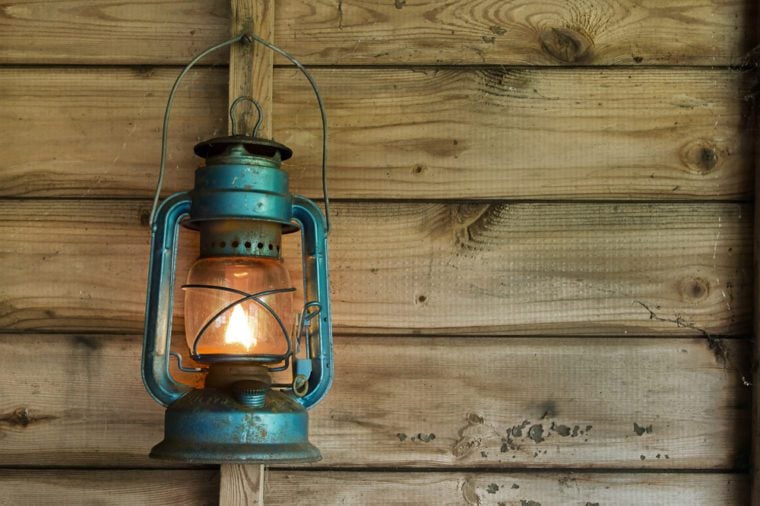
Lantern
Handheld flashlights are convenient to carry and store, but their beams won’t light up a room the way your lamps do. In addition to battery-powered flashlights, pick up a lantern, which can brighten up a larger amount of space.
Make sure you know these 20 fixes for life-threatening problems and daily hassles.
PHOTO: OLEKSII FEDORENKO/SHUTTERSTOCK
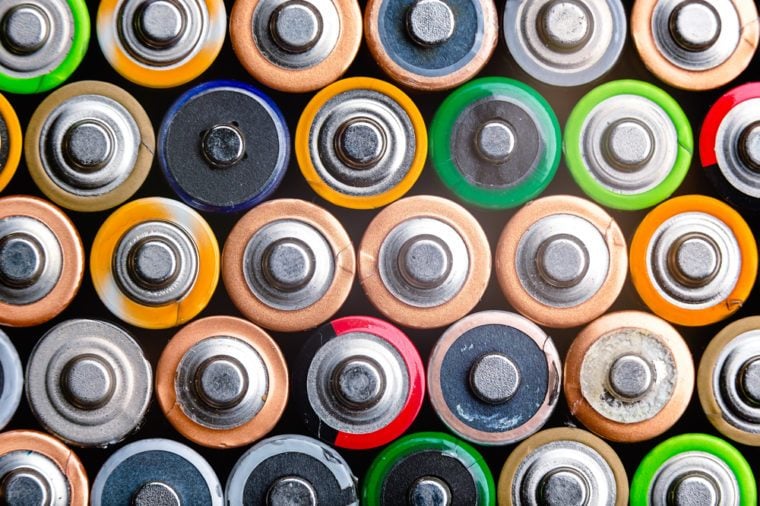
Batteries
If you’ve been using your phone as a flashlight and haven’t touched an actual torch in years, don’t be surprised if the batteries in your backups have worn out or corroded. A pack of extra batteries never hurts.
Just avoid these 13 things you should never do during a power outage.
Nonperishable food
Stocking up on food is a no-brainer if you know you won’t be able to get to a grocery store, but you might be surprised by just how much food to keep on hand. The Red Cross recommends keeping two weeks worth of food available in case you’re unexpectedly stuck at home, or enough to last three days if you’re evacuating. You don’t just have to stick to sad cans of beans though. Get creative and stick with foods you actually want to eat. It’s surprising how much peanut butter or beef jerky could lift your spirits when you’re facing a crisis.
PHOTO: SARAH MARCHANT/SHUTTERSTOCK
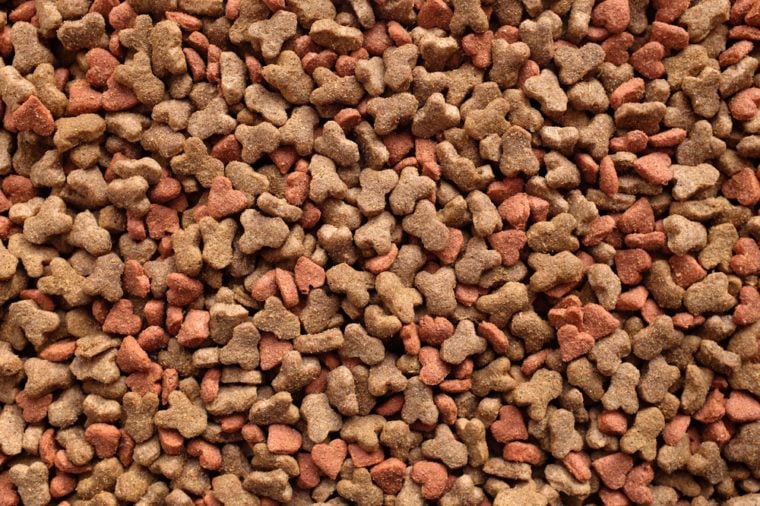
Pet food
Don’t forget your furry friends when you’re stocking up on food. Keep at least two weeks worth of dry food on hand so your pets can stay healthy and safe, but don’t bother shelling out on anything fancy. “It doesn’t have to be the highest standard, but if you can keep some food that’s going to keep pets healthy and vibrant, that’s good,” says Jensen.
Here are 10 secrets your dog’s tail is trying to tell you.
Extra propane
If your home’s electricity or gas isn’t working, the oven and microwave could be out of the question—but that doesn’t mean you’re stuck with cold meals. Keep extra propane on hand so you can fire up a BBQ or camping stove.
Water
H2O seems like a given, but if anything goes wrong with your local water system, you’ll need to have backup. As a rule of thumb, make sure you have a gallon per person per day, ideally enough to last two weeks. If you don’t want to leave jugs of water sitting around all the time, fill clean, empty soda bottles or a large water dispenser when there’s a storm coming.
Cash
Don’t assume you can rely on plastic during an emergency. Card readers might not work, and ATMs could run out of money during a natural disaster, so keeping backup bills on hand could be a lifesaver. Talk to your family about how much you can afford to keep out of the bank and where the safest place in your home for it is.
Tool kit
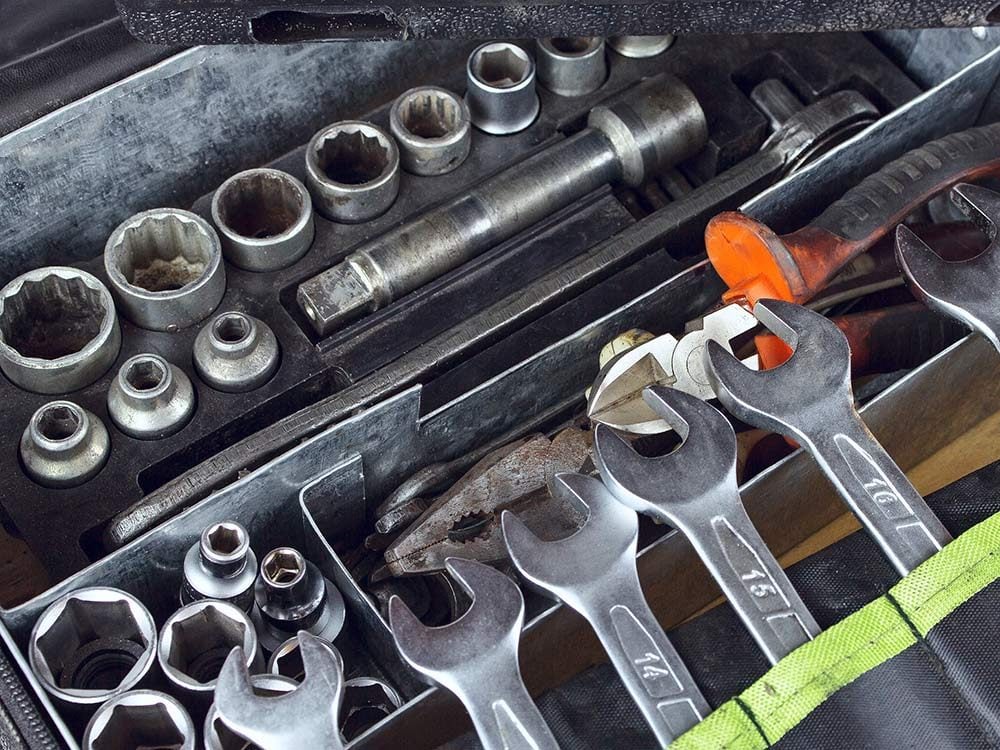
Even if you’re not used to making your own repairs, a toolbox could be a vital resource during an emergency situation. “It gives you a lot of latitude to be able to adapt and fix things and be somewhat independent if no help is available,” says Jensen. A basic toolkit with items such as a wrench, screwdrivers, and a hammer can help you fight back when your home and supplies are under stress.
No car mechanic should be without these 20 essential tools.
Copies of important documents
It’s always a good idea to keep original copies of important documents like home ownership papers or insurance information, but keep a backup on hand too. “It’s surprising how important that can be,” says Jensen. Leave hard copies in a safe space (away from the originals), or save them digitally in a password-protected file in the cloud.
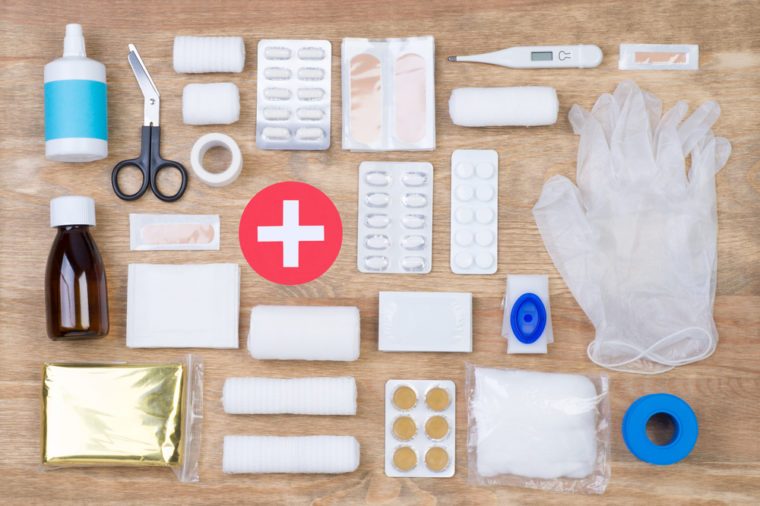
First aid kit
“A well-stocked first aid kit is critically important,” says Jensen. The Red Cross recommends keeping bandages, an instant ice pack, antiseptic wipes, scissors, and more.
These are the items that should be in every first aid kit.
Just-for-fun items
When you’re rushing to pack your bags for an evacuation, a few nonessentials can actually be some of the best things for your mental wellbeing. “We need to find ways of comforting ourselves,” says Jensen. “Relax and take some time to realize it’s going to be OK.” He suggests packing a book, a child’s favorite stuffed animal, or playing cards. Letting yourself relax a bit will help normalize the situation and take your mind off the stress.
BY MARISSA LALIBERTE, RD.COM
Posted in Advice
Tags: 2018, Old Fashioned Mom People, Magazine Company, New York, Old Fashioned Mom Advice, Old Fashioned Mom Coffee, Old Fashioned Mom, Magazine, Global Company, High Society, Coffee Distributor, Luxury Living, Hudson Valley, London, Old Fashioned Mom Travel, Old Fashioned Mom Things, Old Fashioned Mom Real Estate, Old Fashioned Mom Places, Old Fashioned Mom International Company, Old Fashioned Mom Daily News, Old Fashioned Mom Dining, Old Fashioned Mom Events, Old Fashioned Mom Show, Top Percent, World, Wealthy, Summer, Michelle-Marie Heinemann, Palm Beach, Old Fashioned Mom Magazine, New York City