New York Paris London Palm Beach Hudson Valley

Posts Tagged ‘Old Fashioned Mom Travel’

Correctly submitting all the different pieces of your college application is like a test — one you can easily pass. While the process may seem complicated, a little organization and attention go a long way.Image result for college application

Start early and beat the deadline.

Getting Organized

You can apply to colleges online or through the mail. Online applications can be processed quickly and may have built-in checks to ensure all materials are included. Mailed applications are easier to proofread. Either way, following this advice will set you up to succeed.

Start early. Set deadlines for completing essays, collecting recommendations and filling out forms a few weeks before they’re actually required. Mark these earlier deadlines on your calendar and don’t miss them. College websites are the best place to find accurate deadline information.

Be consistent. Using the exact same name on all your forms makes things easier for admission officers. Decide if you want to use a shortened version of your legal name or your middle name, and then always use the same version. Switching names — going from Bill to Billy, for example — increases the odds that your materials will get misfiled.

Be careful. Careless mistakes on your application can hurt your chances of getting accepted. After you finish an application, put it aside for a day and then check it over for errors. If you can, have a teacher or parent proofread it as well. Save and review online applications before you submit them.

Alert your school. You need to let school officials know which colleges you’re applying to so they can send along your transcripts. The people you ask to write recommendation letters also need to know where you’re applying if they’re mailing the letters themselves.

Completing the Package

Once you’ve completed your application, follow these tips to make sure all the parts get where they’re going.

Don’t wait. Anything that needs to be mailed, including your application itself, should be sent in several weeks before it is due. This allows time for delivery and processing. Online materials should be sent weeks before the deadline as well.

Submit once. When yImage result for college applicationou apply online, you’ll usually get an automated response saying your materials have been received. If you don’t, contact the college’s admission office. Don’t apply online again or mail in another application.

Keep copies. Make a copy of each piece of each application. Save personal identification numbers, passwords, canceled checks and notes or emails from admission officers. This documentation can save you if a problem arises.

Get confirmation. If you mail applications, put a stamped postcard addressed to your house in each package so admission officers can let you know that your materials arrived. The U.S. Post Office also offers a similar “return receipt” service. It may take a few weeks for confirmation cards to reach you.

If you get a notice saying something is missing, don’t panic. Just call the admission office and calmly ask what steps you can take. This is why you wisely saved copies of everything and sent in your application early!


What is blockchain technology?

For the past several weeks, you’ve likely heard some of the following terms if you’ve paid attention to the world of finance: Cryptocurrency, Blockchain, Bitcoin, Bitcoin Cash, and Ethereum. But what do they mean? And why is cryptocurrency suddenly so hot?Bitcoin and Blockchain Financing Trend

First, we’ll explain the blockchain basics.

As society become increasingly digital, financial services providers are looking to offer customers the same services to which they’re accustomed, but in a more efficient, secure, and cost effective way.

Enter blockchain technology.

The origins of blockchain are a bit nebulous. A person or group of people known by the pseudonym Satoshi Nakomoto invented and released the tech in 2009 as a way to digitally and anonymously send payments between two parties without needing a third party to verify the transaction. It was initially designed to facilitate, authorize, and log the transfer of bitcoins and other cryptocurrencies.

How does blockchain technology work?

Blockchain tech is actually rather easy to understand at its core. Essentially, it’s a shared database populated with entries that must be confirmed and encrypted. Think of it as a kind of highly encrypted and verified shared Google Document, in which each entry in the sheet depends on a logical relationship to all its predecessors. Blockchain tech offers a way to securely and efficiently create a tamper-proof log of sensitive activity (anything from international money transfers to shareholder records).

Blockchain’s conceptual framework and underlying code is useful for a variety of financial processes because of the potential it has to give companies a secure, digital alternative to banking processes that are typically bureaucratic, time-consuming, paper-heavy, and expensive.


FILE PHOTO: Bitcoin (virtual currency) coins are seen in an illustration picture taken at La Maison du Bitcoin in Paris, France, May 27, 2015. REUTERS/Benoit Tessier/File Photo

What are cryptocurrencies?

Cryptocurrencies are essentially just digital money, digital tools of exchange that use cryptography and the aforementioned blockchain technology to facilitate secure and anonymous transactions. There had been several iterations of cryptocurrency over the years, but Bitcoin truly thrust cryptocurrencies forward in the late 2000s. There are thousands of cryptocurrencies floating out on the market now, but Bitcoin is far and away the most popular.

How do you mine cryptocurrency?

Bitcoin, Litecoin, Ethereum, and other cryptocurrencies don’t just fall out of the sky. Like any other form of money, it takes work to produce them. And that work comes in the form of mining.

But let’s take a step back. Satoshi Nakamoto, the founder of Bitcoin, ensured that there would ever only be 21 million Bitcoins in existence. He (or they) reached that figure by calculating that people would discover, or “mine,” a certain number of blocks of transactions each day.

Every four years, the number of Bitcoins released in relation to the previous cycle gets reduced by 50%, along with the reward to miners for discovering new blocks. At the moment, that reward is 12.5 Bitcoins. Therefore, the total number of Bitcoins in circulation will approach 21 million but never actually reach that figure. This means Bitcoin will never experience inflation. The downside here is that a hack or cyberattack could be a disaster because it could erase Bitcoin wallets with little hope of getting the value back.

As for mining Bitcoins, the process requires electrical energy. Miners solve complex mathematical problems, and the reward is more Bitcoins generated and awarded to them. Miners also verify transactions and prevent fraud, so more miners equals faster, more reliable, and more secure transactions.

Thanks to Satoshi Nakamoto’s designs, Bitcoin mining becomes more difficult as more miners join the fray. In 2009, a miner could mine 200 Bitcoin in a matter of days. In 2014, it would take approximately 98 years to mine just one, according to 99Bitcoins.

Super powerful computers called Application Specific Integrated Circuit, or ASIC, were developed specifically to mine Bitcoins. But because so many miners have joined in the last few years, it remains difficult to mine loads. The solution is mining pools, groups of miners who band together and are paid relative to their share of the work.

Blockchains in Commercial Production at Scale

Current & future uses of blockchain technology & cryptocurrency

Since its inception, Bitcoin has been rather volatile. But based on its recent boom — and a forecast by Snapchat’s first investor, Jeremy Liew, that it would hit $500,000 by 2030 — and the prospect of grabbing a slice of the Bitcoin pie becomes far more attractive.

Bitcoin users expect 94% of all bitcoins to be released by 2024. As the number moves toward the ceiling of 21 million, many expect the profits miners once made from the creation of new blocks to become so low that they will become negligible. But as more bitcoins enter circulation, transaction fees could rise and offset this.

As for blockchain technology itself, it has numerous applications, from banking to the Internet of Things. In the next few years, BI Intelligence expects companies to flesh out their blockchain IoT solutions. Blockchain is a promising tool that will transform parts of the IoT and enable solutions that provide greater insight into assets, operations, and supply chains. It will also transform how health records and connected medical devices store and transmit data.

Blockchain won’t be usable everywhere, but in many cases, it will be a part of the solution that makes the best use of the tools in the IoT arsenal. Blockchain can help to address particular problems, improve workflows, and reduce costs, which are the ultimate goals of any IoT project.


Written By: Andrew Meola


Whether you’re looking for adventure on the steppes or a hammock steps from the ocean, here are the best trips to take this summer.

June 21 marks the first day of summer in the Northern Hemisphere, and vacation season is in full swing—with plenty of destinations to choose from, no matter your style or speed. To make decision time go as smooth as that beach side sangria, take a look at our list of 2018’s best summer trips.

BORNEO

If you love pygmy elephants, glow-in-the-dark mushrooms, floating markets, secret gardens hidden in caves, and the rehabilitation of endangered orangutans—then Borneo is the summer trip for you. After a day of spelunking in Borneo’s Gunung Mulu National Park, visitors can stick around to observe the “Bat Exodus,” as over three million bats swoop into the fading sky from Deer Cave, the largest cave chamber on the planet. Borneo is also the place to spot Irrawaddy dolphins, proboscis monkeys, soft-shelled turtles, clouded leopards, the world’s longest insect, and 15,000 species of plants—including carnivorous pitcher plants; the famous corpse flower; and monster flowers, the largest known blossoms on the planet.


Cloud forest covers the mountains in Malaysia, on Borneo. Several countries—Malaysia, Indonesia, and Brunei—make up the island’s territory.


ICELAND

Iceland is so much more than a quirky layover or winter Northern Lightssite. From May through June the midnight sun provides plenty of daylight hours for soaking in thermal pools, hiking on glaciers in Skaftafell National Park, and sidestepping tide-washed icebergs on black-sand Diamond Beach. In Iceland, mosquitoes don’t exist; the temperature hasn’t gone above 87°F since 1939; and the tap water, filtered underground through ancient lava fields, is some of the purest drinking water in the world. Spend the afternoon beside bubbling mudpots, the black basalt falls of Svartifoss,the magic mossy cascades of Skógafoss … and you’ll see exactly why most Icelanders still believe in elves.


Skógafoss is one of Iceland’s most iconic waterfalls.


    ILHA GRANDE

Brazil’s Ilha Grande may only be a 15-minute boat ride from Jacareí (or a roughly hour-long ferry from Rio), but its 106 quiet beaches, musical rainforests, and car-free streets feel a world away. Most of the island is protected within Ilha Grande State Park, meaning the jungle hikes to Parnaioca and Lopes Mendes Beach offer sightings of many endangered tropical species, including maned sloths, brown howler monkeys, and the red-browed amazon parrot. Stay in a breezy pousada, drink passionfruit caipirinhas lagoon-side, or visit one of the island’s over 30 restaurants for a bowl of traditional shrimp moqueca—a bright stew of fresh seafood steeped in coconut milk and palm oil.


Clouds skirt Mount Bromo, an active volcano in Java, Indonesia.


LEBANON

The Spaniards argue that crème brûlée is just a French version of crema catalana. Welsh historians claim Arthur Guinness smuggled his famous stout recipe from a Welsh tavern to Dublin. And Lebanon … Lebanon wants their hummus back. Often overlooked as a culinary destination, Lebanon crafts the ideal summer mezze table in an equally ideal temperate climate. Stroll open air markets in Byblos, one of the world’s oldest cities. Cool off at the Baatara Gorge Waterfall. Then settle in beneath the cedars for a feast of local wine, tabbouleh, tiny rounds of hot sesame pita, baba ghanoush sprinkled with pomegranate seeds, and plates of herb-y cheese, all drizzled in bright swoops of local olive oil.


Lebanon is an overlooked culinary destination.


MASAI MARA

There are few African safari lands that get as up-close-and-personal as Masai Mara, an expansive and fenceless preserved savannah that stretches between Kenya and Tanzania. The region is home to a dream team of wildlife including lions, cheetahs, zebras, elephants, giraffes, gazelles, rhinos, leopards, and baboons. July through September is the best time to visit, when two million wildebeest bravely storm across crocodile-clogged rivers and grassy plains on their annual migration to the Serengeti. Witness the tension by safari car or on horseback, sail over hippos in a hot air balloon, visit a local Maasai community, then snorkel off that savannah sand in the coral reefs off of Kenya’s peaceful Diani Beach.

Image result for masai mara


Late summer to early fall is the best time to see Masai Mara’s famous wildebeest migration.


MONGOLIA

Medical anthropologist and National Geographic explorer, Carroll Dunham, and her family have spent sixteen blue-sky summers living among nomadic tribes in Mongolia—one of the least population-dense, and most hospitable, countries in the world. And while Dunham loves camping in a traditional ger, watching archery displays at local Naadam festivals, and horseback riding through wild poppies—she says the main reason her family returns is for the people. “No one can sing from the depths of their being and bellies like the Mongols,” she writes. Landlocked Mongolia is known for its 1,000-foot-high singing dunes, crystal clear rivers, cool summer nights, ancient dinosaur fossils, bad cell service, exquisite cashmere, Buddhist lamas, and golden mountains. One spirited horseback ride through these green steppes and we’re sure you’ll be throat singing too.


Wild horses graze on a Mongolian plateau. National Geographic offers an expedition that allows visitors to explore the country on horseback with local experts.


PAPUA NEW GUINEA

May marks the end of the rainy season in Papua New Guinea, making summer the best, and least slippery, season for hiking the Kokoda Track—a historic 60-mile mountain trek along waterfalls, rope bridges, and vibrant villages. Further north, in Mount Hagen, more than 70 tribal groups gather every August for the Sing-Sing Festival, a joyful celebration of ancestral song and dance with lizard-skin drums, swishing grass skirts, conch-shell necklaces and stunning feather headdresses. A dream destination for snorkeling, diving, and birding, PNG claims over 600 islands, 800 native languages, and almost all 43 unbelievably colorful species of birds-of-paradise, including the stunning, neon-blue-feathered Vogelkop, just identified this year by ornithologist Edwin Scholes and National Geographic photographer Tim Laman.


Papua New Guinea is famous for its biodiversity, both on land and at sea.


PERU

Peru enjoys its dry season from May through October, meaning clear skies and sun are likely for Inti Raymi, one of the biggest festivals in South America. Every year, the climax of the festival falls on June 24: Hundreds of dancers in handwoven ponchos descend on Cusco to sing, burn fires, and call upon the Sun God in a stunning day-long ritual that has been performed since the early Incan empire. If crowds in the thousands-plus unnerve you, an August trip to similar, smaller festivals in Wiracochapamp and Huamachuco promise firework displays, fewer tourists, and equally colorful turco and campesino performances.


Peru’s traditional Inti Raymi festival climaxes on June 24.


YOSEMITE

This year California’s Yosemite National Park will complete a four-year-long ecological restoration of the Mariposa Grove. On June 15, the magnificent stand of over 500 giant sequoias will reopen with restored hydrology, accessible shuttles and trails, and better-protected habitats for both the trees and their resident weasel-like Pacific fishers. Yosemite’s towering Sequoiadendron giganteumcan survive for thousands of years—thanks in part to their virtually fireproof bark and naturally insect-resistant tannins. The largest trees by volume on Earth, some sequoias measure up to 154 feet in diameter. After a day of tree-gawking, opt for a May Lake picnic at the base of Mount Hoffmann, or take a hike along Yosemite’s 11.5-mile Valley Loop Trail for gigantic views of El Capitan, Yosemite Falls, Bridal Veil Falls, and Cathedral Rocks. Yosemite is the perfect summer place to get outside and feel oh-so-gloriously small in the most delightful way.

Iconic views—like this vista of Bridal Veil Falls—make Yosemite one of America’s most beloved national parks.


Written By:Caitlin Etherton

Related image


image1

Red Sneakers for Oakley~

“How much do you really know?”

I am not a “peanut-allergy-mom” says Tatiana Platt and until recently she didn’t even know that such a term existed. Unlike the many parents who help their children navigate the world of living with a food allergy, Tatiana does not have children with food allergies. Yet 1 in 13 children in the U.S. have a food allergy. 15 million people have a food allergy in the U.S. alone.

This staggering fact was evidenced to Tatiana in a very tragic way late last year. She received a text telling her that the son of a friend was in critical condition in the hospital. She didn’t know why, but promised to say a prayer and hoped for the best. A day later, she got the news. 11 year old Oakley had died in the hospital. The cause: Anaphylaxis. A severe reaction caused by accidental exposure to nuts, to which Oakley was allergic. How could this be? What? Death? What happened?

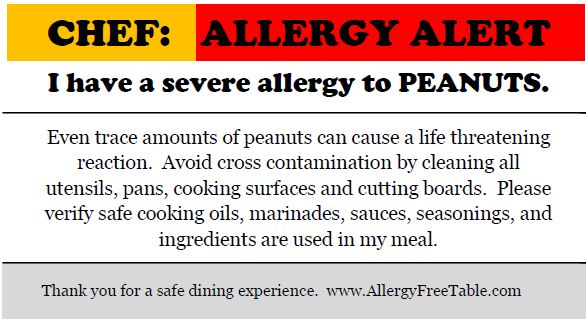
As she describes it, Tatiana would soon come to find out that severe reactions to food allergies are some parents’ biggest nightmare. With children going to school every day, being invited to playdates, eating out in restaurants, living a “normal” life, accidental exposure to an allergen can happen all too easily. And that doesn’t include the dangers posed by troublesome food allergy bullying that takes place even in schools with well-intentioned policies and practices. The parents, the children, their teachers, their family, might be prepared with their “Allergy Emergency Action Plan”  and be sure to always have an epipen in the event of a severe reaction. But what happens when you aren’t sure whether your child is having a severe allergic reaction?


IMG_5996

Oakley was visiting family in Maine and was having a great time playing with his cousins and his twin sister, Olivia. On his way through the kitchen, he saw a pound cake on the counter and grabbed a piece. He ate it. But it tasted funny. It tasted like nuts. Oakley went to tell his mom. She tasted it. Yes, it sure did taste like nuts, but there was no label of ingredients. Oakley started to get a blister on his lips. So his mom gave him Benadryl. That always worked. And it did the trick this time too. Oakley ran off to happily play with his cousins again.

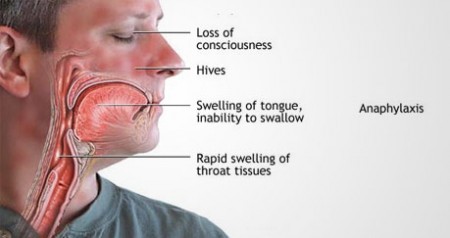
Problem was, deep down in Oakley’s body, an anaphylactic reaction had begun, but there were no immediate outward signs. It wasn’t until an hour later when Oakley felt nauseous and vomited that he showed a sign of anything else. And then he experienced difficulty breathing. By the time Oakley’s family realized something was very wrong and gave him the epipen, it was too late.


image6


Oakley’s family, friends and everyone in the community where he lived entered a state of shock from the tragedy. Oakley’s mom and dad felt betrayed by their doctors for not having been better informed about their son’s allergy. They were devastated that they had not known to give the epipen when it was sitting there in the house the whole time. They bemoaned the likelihood that another parent might have to be in their shoes. They had to do something.

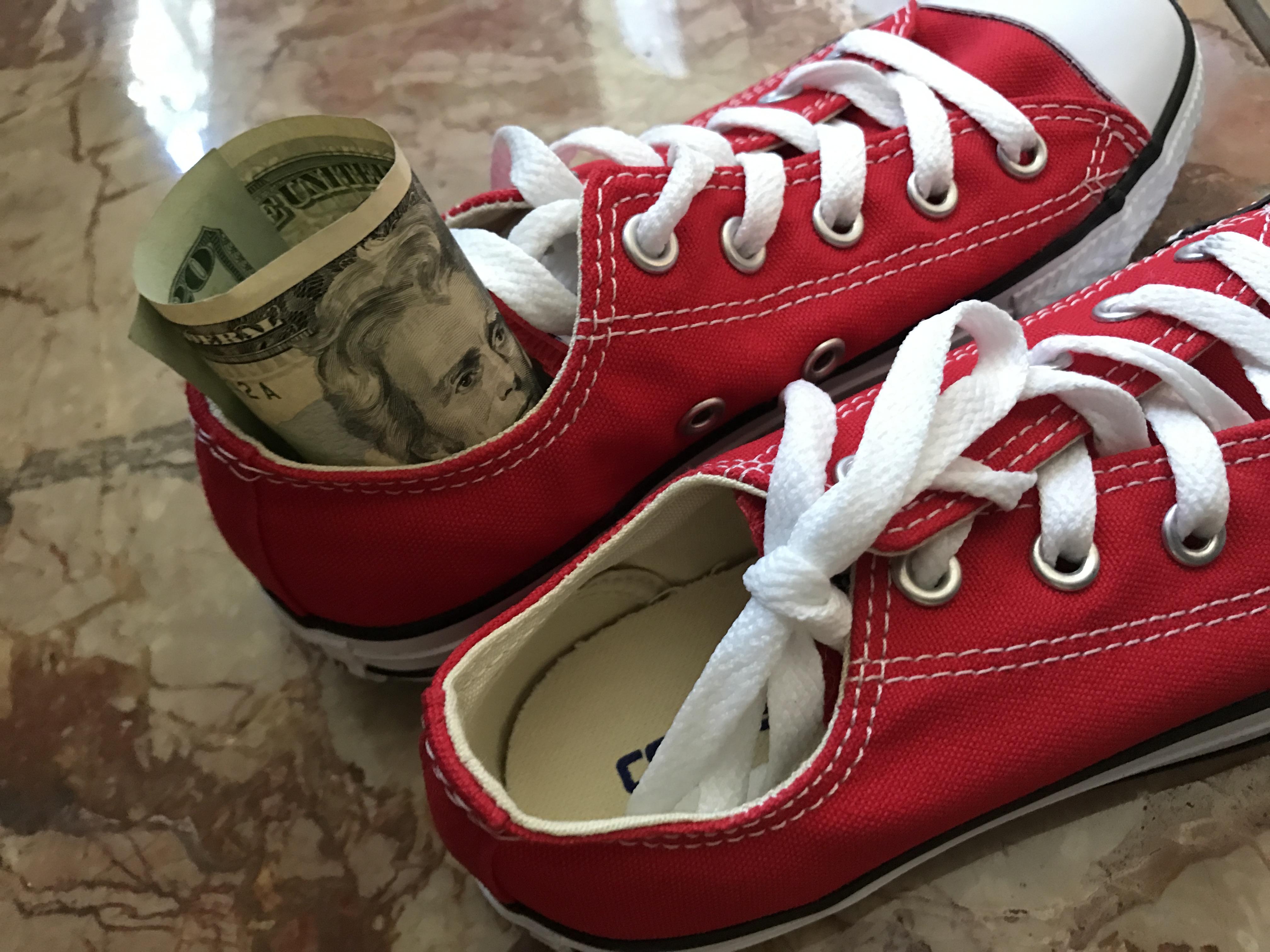
Red sneakers were Oakley’s favorite shoes. In the days following Oakley’s death, somewhere deep inside, Oakley’s mom and dad found the strength to create an idea – let’s start a movement for food allergy awareness and call it “Red Sneakers for Oakley”. Oakley’s aunt set up a Facebook page and people started posting photos of red sneakers.


image2


That’s when Tatiana took over. She told Merrill and Bobby, “let me handle this”, and took on the effort to coordinate the social media and PR outreach for Red Sneakers for Oakley. They knew what they were doing was important, but neither she nor the Debbs had a real sense of how huge the movement they were creating was going to become.

Red Sneakers for Oakley’s presence on social media platforms has gone on to galvanize an online movement that did not exist before. The dangers of food allergies are known to the parents of children who have them, but many people overlook the severity of accidentally ingesting an allergen. The red sneaker symbol has become a unique identifier in today’s social media environment, and is resonating with millennials and Gen X’ers alike. To date, they have received thousands of messages and posts from people all over the world. Their Facebook page has attained close to 8,000 followers in a little over 3 months. They are also active on Instagram, Twitter and Pinterest, with a growing audience of a combined 100,000+.

Due to the powerful message of Red Sneakers for Oakley, they receive almost daily testimonials of parents who might otherwise have suffered a tragic incident with their own children had they not been made aware of Oakley’s experience. They are dedicated to making sure that no other parent, family or community has to suffer the same loss and is empowered to take the necessary steps to recognize and treat a severe reaction to a food allergy.


IMG_5999


But they still have a long road ahead of them to get their message out to the millions of people who know someone with a food allergy. To that end, Tatiana came up with the idea to launch a “20 for Oakley” fundraising campaign in honor of Oakley. The 20 for Oakley campaign calls on supporters to make a donation of $20 in tribute to Oakley’s soccer jersey number, and to enlist others to do the same by submitting photos online on social media.

Tatiana is donating her time and efforts to Red Sneakers for Oakley because she knows they can make a difference. It tugs at her heart every time she thinks of the pain that the Debbs are going through. Yet somehow they are managing to be strong and focus on turning Oakley’s death into a message that prevents further deaths. And to change people’s perspective on food allergies. The next time an airline attendant announces that peanuts will not be served during a flight’s beverage service because there is someone on board who has nut allergies, take a minute to wonder what else you can do to be mindful of a person with food allergies.


image3

———————————

To participate in the 20 for Oakley campaign, you can support Red Sneakers for Oakley by posting online a photo of red sneakers, ideally with a $20 bill. Here is a suggested caption:

I am proud to support the #20forOakley campaign to raise awareness for food allergies. I am donating $20 to @redsneakersforoakley to continue to spread the message about the dangers of food allergies and anaphylaxis. Please join me in supporting #redsneakersforoakley {@friend1} {@friend2}. Let’s make a difference for the millions of people living with food allergies. #livlikeoaks Donate at REDSNEAKERS.ORG

(1) follow @redsneakersforoakley
(2) use the hashtags #20foroakley #redsneakersforoakley #livlikeoaks
(3) tag 2 friends in your post and ask them to support the campaign
(4) make a $20 donation online at REDSNEAKERS.ORG.

For more information or if you have any questions, feel free to email redsneakersforoakley@gmail.com.

Written By: Tatiana Platt

Ways to help your children develop empathy, kindness and a sense of responsibility toward others.

image
By Jane Meredith Adams

While rummaging through an old box, my daughter, Claire, came across the stuffed bear I’d had when I was her age, a deeply loved creature named Teddy. “How come Teddy has no fur?” she asked. “Why doesn’t she have eyes?” I explained that my cousin’s dog had chewed up Teddy when I was a kid. She was aghast.

Gravely, she kissed Teddy’s empty eye sockets. Somberly, she reported to her twin brother, Drew, what had happened. “We’ve got to fix her,” she said.

As it turns out, children have an inborn capacity for compassion. Small in stature themselves, they naturally identify with stuffed animals, other kids, pets, and underdogs. The tricky part is that their empathy must compete with other developmental forces, including limited impulse control—which makes them pull the cat’s tail—and their belief that their needs absolutely must come first—which makes it hard for them to let their cousin push the cool fire truck.

But with so much hatred and turmoil in the world today, it seems more important than ever to raise kids who can understand and be kind to other people. Tea

 

image

ching this doesn’t mean lectures or visits to soup kitchens. It’s part of day-to-day life: how you answer your child’s questions, how you solve conflict at the park, how you nudge his or her growing capacity to understand and think about other people. Temperament of course plays a role—some kids are naturally more tuned in to other people’s feelings and difficulties, while others are a bit oblivious. Either way, you have influence in fostering your child’s ability to empathize. Age by age, here’s how to do so in small, daily doses:

Promote sweetness

Teaching your child ways to treat things with care helps him develop the understanding that actions have consequences.

Show how to be gentle. Your child wants to be friendly but ends up grabbing the baby roughly? Demonstrate another way. “I say, ‘We use our hands to give love,'” says Kimberly Mazone of Dresden, Maine, mother of 4-year-old Sienna and 3-month-old Lucca. “‘You’re being a little bit rough. Let’s be gentle. Let’s show our love with our hands.'” You can actually take his hand and show him physically what a gentle touch is.

Speak softly. Your kindness will be a role model for how to treat others. When your child’s in pain, be warm and caring. “It’s all about the tone in your voice,” says Emily Mihalchik, a mom of 2-year-old Sam and director of the Johnnie Appleseed Preschool, in Lawrence, Kansas. If a child’s friend is crying, “I say, ‘Maybe a hug would be nice,'” says Mihalchik. Young toddlers don’t have a very consistent long-term memory, so you’ll have to repeat your lessons more times than you thought possible.


Reject rudeness. “I see fifteen-month-olds who do things like spit into their parents’ faces, and the parents laugh,” says Susan Jensen, a mom of two and director of Children’s Nook preschool, in North Charleston, South Carolina. This will not do. Compassion requires that your child respect others, including you. Gently but firmly, say “No, you may not spit!” In the same loving but no-nonsense manner, remove his little feet from the table and unlock his fist from your hair.

Say “I’m sorry.” If you’ve been short-tempered with your child, apologize to him. All parents make mistakes. It’s how you address them afterward that makes the difference. He’ll learn that everyone, even Mom, admits it when she’s wrong.

Enforce rules

Consistent limits help your toddler see that her behavior (and misbehavior!) affects others.

Provide structure. It might seem that if you want to raise a compassionate, caring child, you just have to be a compassionate, caring parent. But that’s not enough. Even the most nurturing, loving parenting requires firm limits on behavior, or you’ll get very self-centered children, says Janice Cohn, Ph.D., author of Raising Compassionate, Courageous Children in a Violent World. Make unacceptable behavior, like hitting, always unacceptable—even if it’s her birthday. If something is wrong it has to be wrong all the time.

Expect her to help. When their neighbors are away, Karen Semple’s four kids in Montana City, Montana, take care of the left-behind cats, dogs, and horses. Everyone’s included in helping, and when the youngest was 2, she scooped cat food out of a bag. Rain, snow, and cold weather don’t stop them. For Semple, it’s all about teaching the Golden Rule. “You need to love your neighbor as yourself, even if you don’t particularly feel like it,” she says.

 

image


Use manners to connect. With the exciting (and noisy!) arrival of the garbage truck, talk about how we’re all connected: The farmer grows the food, we throw out the peels or waste, and the trash collector picks it up. If your child’s out watching the trash collector, she can say “thank you.” Good manners, which keep us coexisting harmoniously, are one way to show compassion. As much as you can with a squirmy toddler, make good manners part of her daily routine.

“Habits like this can help form character,” says the Reverend Dr. Julia Gatta, an Episcopal priest and associate professor of pastoral theology at the University of the South in Sewanee, Tennessee. “There’s another person at the other end of the relationship who has feelings and deserves respect.”

Guide friendship

Stay tuned in during playtime so you can help your child figure out how to be a friend.

Outlaw name-calling. Compassion starts with what’s acceptable and what’s not. “A little guy called someone a ‘poo-poo head,'” says Jensen. “Immediately, he had to go to time-out or come up to see me. I told him, ‘I know you know that word is unacceptable.'” Explain to her—often—that being kind to others is the rule. You can tell her when she gets into a tiff, “You don’t have to like that person, but everyone has to be nice.”

Give consequences. If the be-nice rule is broken, stick with simple, concrete consequences such as a brief time-out or losing a special toy for a day. A 3-year-old’s abstract thinking is weak, so she’s too young to understand that being nice is morally the right thing to do; your efforts, therefore, should be directed at helping her resist impulses so she won’t get in trouble.

Label kindness. When you catch your child offering a shovel to a friend in the sandbox, label her actions by saying “What a good friend you are,” or “You’re very thoughtful.” Over time, she’ll understand that being a helpful friend, sister, neighbor, and human being is something you value.

Be considerate yourself. While it’s tempting to hand out birthday-party invitations at the park instead of going to the trouble of mailing them, explain to your child that kids who see other children getting invitations but don’t receive one themselves may feel hurt. And all through the year, get her in the habit of sending cards to friends and relatives who could use a kind word: thank-you notes, sympathy cards, get-well wishes. For a child not yet up to writing a message, even a drawing is great.
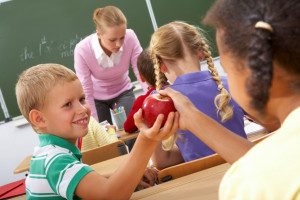
 

Portrait of schoolgirl passing red apple to classmate during lesson


Don’t trash talk. Kids, as we know, are always listening. How we talk on a daily basis about our own siblings, parents, and relatives tells them a lot. If children hear us saying something really negative about Grandma, they learn that it’s okay to talk that way, says Suzanne Coyle, Ph.D., a mom and director of the Marriage and Family Therapy Program at Christian Theological Seminary in Indianapolis. So keep meanness in check: “Show them you have a spirit of kindness and generosity.”

Encourage helping

With their increasing awareness and independence, preschoolers are ready to participate, if you show them how.

Give pennies. Kids want to feel they can make a difference, so bring charity down to their level. “Every week the children bring in pennies and count them,” says Nancy Manewith, director of the Board of Jewish Education Early Childhood Centers of Metropolitan Chicago. “It’s just part of our pre-math program.” Then the pennies go to charity or to buy mittens and scarves for poor children, which opens the door to conversations about war and poverty.

When talking to your own child about such things, be honest, but don’t feel you have to include every scary detail. Keep explanations simple, and ask simple questions, like “How can we help them?” If his al-lowance is five dimes, ask him how many dimes he’d like to set aside to give to a food bank or drop in a collection jar. Giving him the choice will make him more excited about the idea.

Assign chores. The habit of helping others starts with chores at home. Children love to feel capable, so assign a manageable task like setting the table or feeding the cat. Make a schedule and put it on the fridge so your child can keep track of what he needs to do. When her kids ask why they have to do chores, Anna Notation-Rhoades of Sewanee, Tennessee, a mom of five, tells them “we’re all part of the family, so by helping the family we’re helping ourselves.”

Use stories. Reading books together can be a natural way to help your child start to understand that children aren’t all the same. Books like Faith the Cow, by Susan Bame Hoover, about how the gift of a cow can change the life of a poor family, or Houses and Homes, by Ann Morris, which has photos of houses around the world, can show that kids in other countries want the same things: to feel safe, to be liked, to learn things, to have fun, and to be with their families.

Point out heroes. The siren of a fire truck, not to mention a newspaper photograph of a bomb attack, can make a 4-year-old worry. Shield him from disturbing images as much as possible, but when he hears or sees something frightening, focus the conversation on the firefighters, rescue workers, doctors, or volunteers who are there to help us.

Build on their smarts

Your child’s made cognitive and emotional leaps—help him understand others’ feelings.

Explore feelings. With an increasing vocabulary, a 6-year-old is able to communicate more about emotions. Talking about book characters is a good way to help. “We’d read Snow White and I’d ask, ‘Why do you think the witch was jealous of Snow White?'” says Rev. Gatta, who’s also a mom of a 12-year-old. “Later, maybe in the car, we’d talk about characters’ motives and feelings.”

Monitor media. If the characters on television are hitting each other or calling each other names, shut off the TV or, at least, talk about what’s going on. Children don’t just watch TV, they internalize it, and they don’t get irony, so be careful of what they’re memorizing.

Expect more. When it comes to your child’s responsibility to be caring and compassionate, set your standards high. Don’t let teasing or bullying go unaddressed. At 7 and 8, kids are starting to be able to see the world from another person’s perspective. In a complicated and troubled world, it’s easy to feel that nothing we do will make a difference. This can lead to compassion burnout—for us and for our kids. The key is to start small.

As for my battered Teddy, it was a very small problem in search of a solution. So we repaired her. Claire chose blue felt for her eyes and pink for her nose. She cut out the shapes, which made them interesting to behold. Teddy’s not her old furry self, but she’s much improved. Now, years later, every time Claire hugs my old bear, she knows she made a difference.