

New York Paris London Palm Beach Hudson Valley

Posts Tagged ‘Old Fashioned Mom Magazine’

The great philosopher ( and possibly basketball coach ) Aristotle once said, “We are what we repeatedly do. Excellence, therefore is not an act, but a habit.”
I couldn’t agree more with this as I have always subscribed to the School of thought that James Allen so poetically penned in 1903 in his literary essay As A Man Thinketh…..A man is literally what he thinks, his character being the complete sum of all his thoughts.
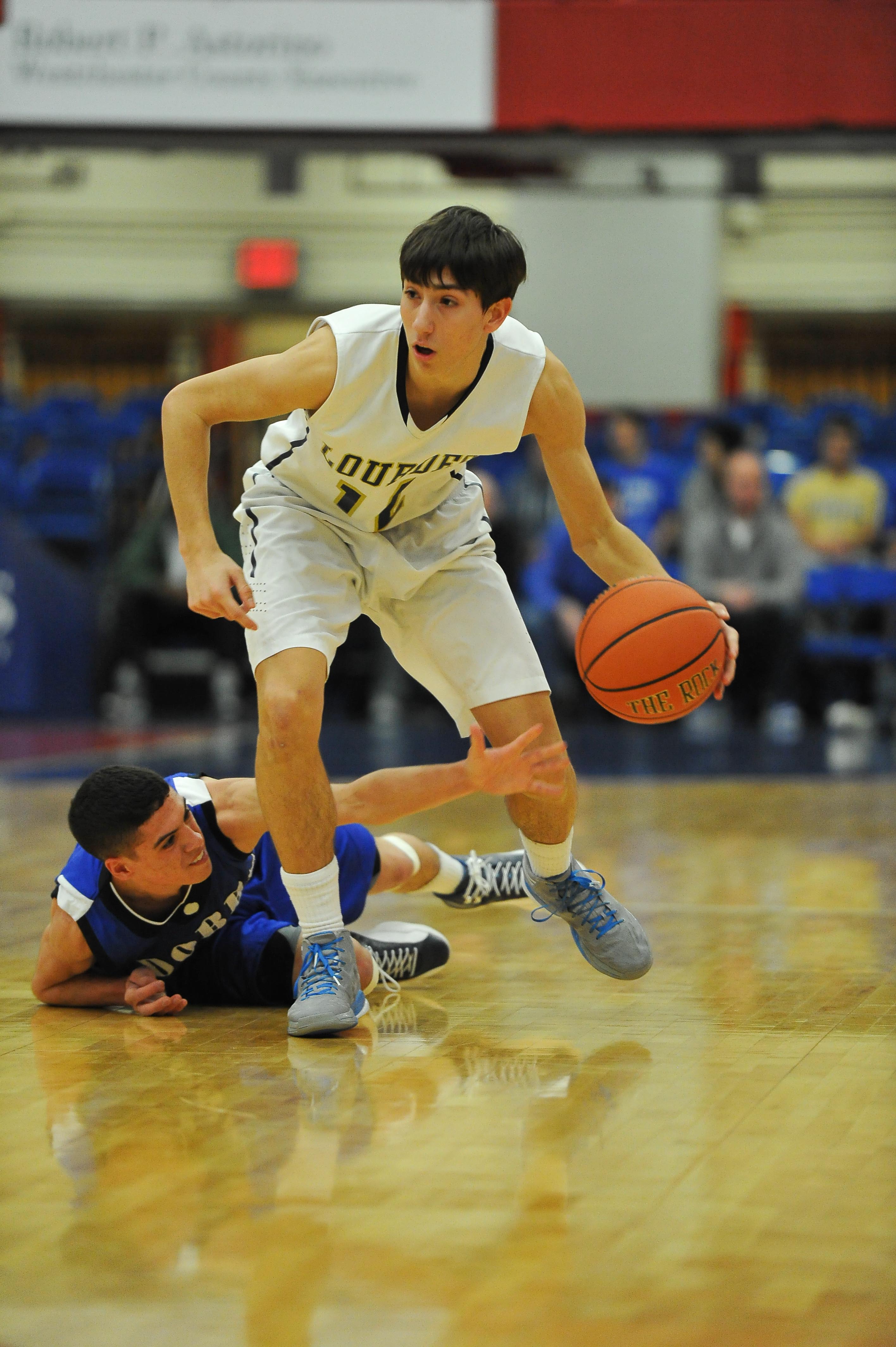
Most little boy’s dream of being a professional athlete at some point in their life, mine wants to play for the NBA and Notre Dame…my son is 9, so the journey begins with hard work and dedication ….and a Great Coach. Jim Santoro is exactly this, as he is the Head Men’s Basketball Coach at Our Lady of Lourdes and Director of Edge Athletics Camp, Clinics and Programs. I remember the first time I saw him in action coaching the boys….the drills were extremely challenging and they were repeated multiple times, Jim made it look effortless as he demonstrated, however it was not.
Leadership, Knowledge, Motivation, Knows the Athlete, Consistency and Effective Communication Skills is where the line is drawn in the sand between good and great coaches. Jim possesess all of these traits and having raised four boys of his own in the very competitive arena of basketball knows how to handle the temperament of each child.
I applaud the dedication and long term vision Coaches have for their athletes and thank Jim for his commitment to children. We here at Old Fashioned Mom are proud to introduce Jim Santora as our 5th Celebrity Father!

element

FullSizeRender (1)

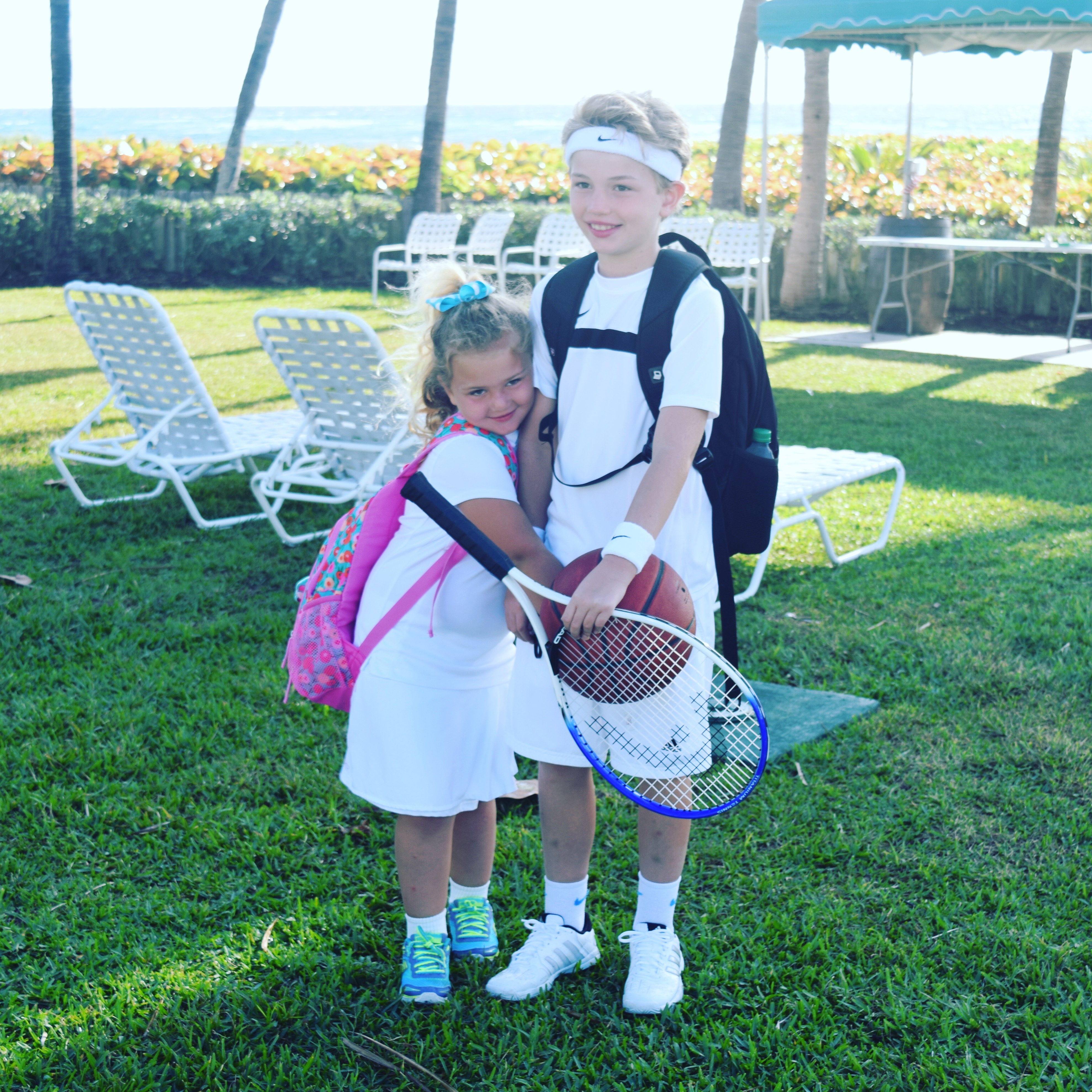
Evan Sims, Christian Versaci, Hudson Heinemann and Friends.
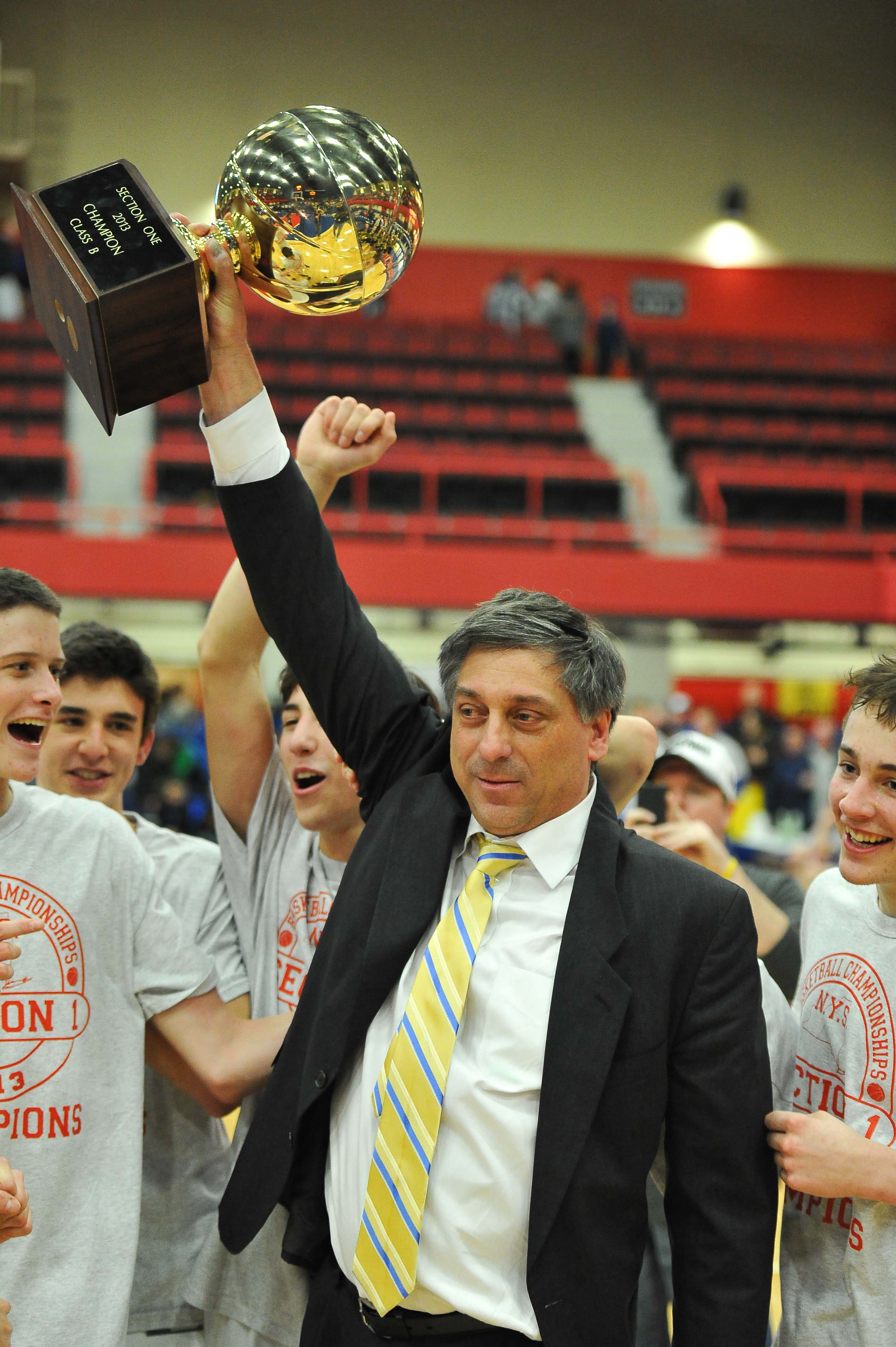
 

image1

element

1.What is the most challenging aspect of being a Coach?

Coaching presents many challenges at every age level and in every capacity. It is, therefore, hard to come up with the most challenging aspect, so I will offer up two.  The first one is communicating to athletes in a way that creates a fun environment that gets them to want to work hard at improving their individual and collective team skills. Each athlete, regardless of age, is unique and has to be approached with whatever means is going to best motivate him or her to reach their full potential.


The second challenge is how to deal with parental concerns and how to best guide them. Parents generally have at least the one common goal of wanting the best for their child.  As a coach of just not one team, but a director of an entire program, I find it very challenging helping parents “grow” as their child progresses from being a very young athlete to an athlete competing at higher levels.  Helping parents manage the emotions of successes and failures of their own child, as well as their team, can be very difficult.


2.Please tell us about your children?


I am very blessed to have four children, all boys, and all are healthy and happy.


My oldest son, Rob, is married and works in Manhattan for a major law firm. He started his own company designing websites at age 12 and has always had a love for business and entrepreneurship.  He attended Binghamton University as an undergraduate before obtaining his Juris Doctor Degree at the University of Buffalo.  Rob and his wife, Amelia, just recently had their first child and my first grandson, Landon.


My second oldest, Chris, lives locally, and is a Partner with New York Life. Chris graduated from Nichols College where he got both his undergraduate degree in Sports Management and Masters in Business Administration.  Prior to his current career, he worked for the New York Knicks, the Miami Heat, and the New Jersey Nets. He was, and still is, one of those happy go lucky guys that truly enjoys people and life. He is a very hard worker with a great personality and just a lot of fun to be around.


Kelby, my third child, just graduated from SUNY Oneonta this spring.  He is probably the quietest of my four boys, at least until you get to know him.  He has a very loyal personality and is similar to his older brother, Rob, in a lot of ways.  Unsure of what’s up next after college, he is currently looking at different types of employment options.  He loves to be by the water, whether it’s the ocean or the lake, and thoroughly enjoys hanging out with his brothers.


That leaves Kyle, my youngest son.  Kyle transferred from SUNY Potsdam, but has not yet selected his next school. He has narrowed down his choices to several schools, where he will continue his basketball career while pursuing a business degree. He loves to compete and is also the daredevil in the family.  Fast and wild are his thing. He attempted his first bungee jump at 6 but had to wait patiently until he was of legal age to sky dive at 18.


All four of my boys are very close and extremely competitive.  They all played basketball for me at the high school level, and all played at the collegiate level in some capacity.  They thoroughly enjoy being with each other and traveling together.  I am very lucky to have four kids that were and remain so close as they grow older.

3. How would you describe yourself?


For as far back as I can remember, helping others succeed has been at my core. As a Big Brother and coach I have always worked with kids to help them to succeed.  As a manager at IBM, my goal was to help employees advance their own careers. Aside from that, others tell me that I am fanatical, committed, have OCD, and sometimes even a little crazy!
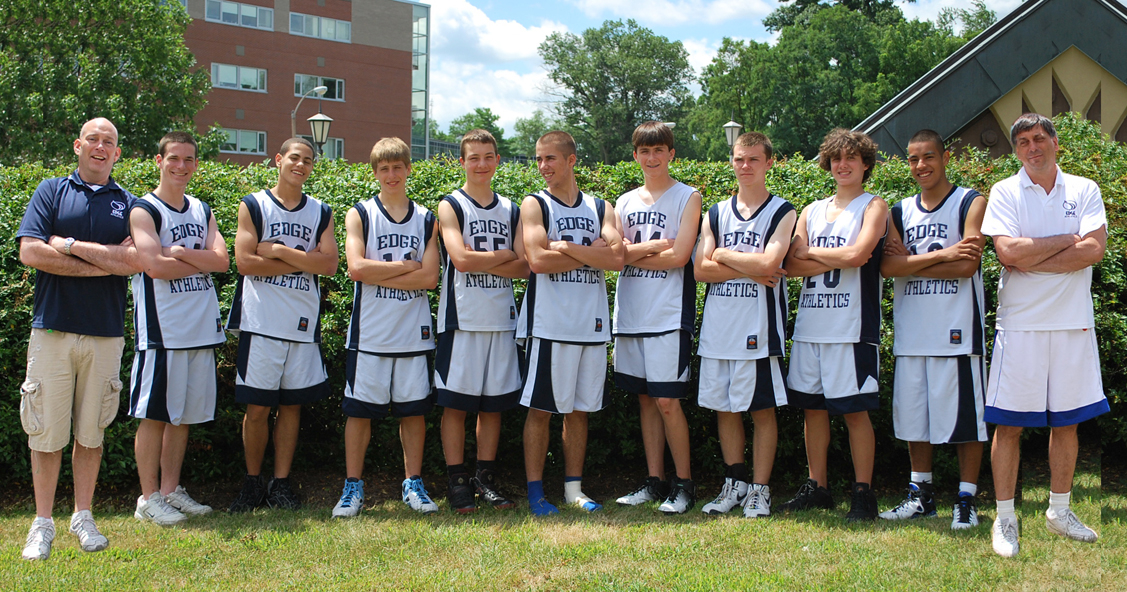
 

image1 (4)


4. Do you feel athletic talent is created or some children are born with it?

I think both are true.  There are many athletes that are born with the ability or “gift” that enables them to excel in their respective sport.  But there are also those athletes that just simply work hard, and work hard for many years to develop their skill.

There is, however, a significant difference between the two.  First, just because an athlete is born with certain genetics or traits that can’t be taught or acquired, does not mean that they will be exceptional athletes or that their talent will prevail.  They still must invest countless hours to develop that talent and reach their maximum potential. Those athletes that reach the collegiate or professional level are generally highly committed and driven, traits that may not necessarily be part of that “gift.”

On the other hand, there are those athletes that can excel by simply committing and working hard at what they do.  This, however, does not mean that working hard is a guarantee that an athlete will reach the level of success they desire to achieve.  Sometimes, the hard work is simply just not enough.

What I believe to be absolutely true is that those athletes that commit themselves to work as hard as they can are more likely to reach whatever full potential that their mind and body are capable of achieving.

5. What is a typical day for you?

A typical day for me changes depending on the time of year.  During the winter, I spend most of my time preparing my high school team to compete and succeed.  During the spring, I am heavily engaged with the management of our youth basketball program that serves 8-17 year olds.  In the summer, we switch gears a bit where I direct five weeks of camps.  And in the fall, I spend countless hours helping student athletes with the college recruiting, selection, and application process.

In addition, on an all-year-round basis, I teach basketball skills to athletes of all ages and levels on a more personal one on one or small group basis.

In general, my day begins fairly early to get all of the administrative tasks out of the way unless, of course, its camp season where my days and nights are somewhat reversed.  There are many tasks that have to be completed during the day including calls to college coaches, film review and scouting reports, practice preparations, and the planning and preparation that is required for the next season.


When that day’s work is done, I usually arrive at either the Our Lady of Lourdes or Poughkeepsie Day School gym by 3pm where I will spend the rest of the afternoon and evening coaching and teaching athletes, monitoring other teams’ practices, or consulting with parents.


6. Tell us about your basketball career and how you ended up in the coaching profession.


Although I started to play basketball in the 9th grade, I really didn’t invest any time into the sport until several years later.  I did not play CYO or attend any camps.  I made the junior high team as a freshman, Junior Varsity as a sophomore, and the Varsity as junior, basically because I was tall. At the end of my junior year, I became friends with an all-star athlete, Tom Emma, who eventually played for Duke University, the top Division I program in the country at the time.


Tom introduced me to the world of basketball and all of the hard work and commitment that went along with it to become successful. Spending countless hours, usually more than 8 hours a day during the summer, I remember burning through sneakers at a rate of a pair every two weeks.  After a fairly successful senior year both from an individual and team perspective, the continued hard work earned me a spot playing for Clarkson University for the next four years.  During the summers of my college years, I worked at many different overnight basketball camps.  It was then that I knew that coaching would be a part of my life.  I just did not realize at the time how big a part it would become.


My first job out of college was working for IBM in Poughkeepsie, New York, in August of 1982.  It did not take long to get involved with coaching in the local CYO program where I coached a 6th grade team.  Continuing to coach at the CYO level for the next four years was inevitable and led to my first high school position as the Junior Varsity coach at Our Lady of Lourdes.  I was named the Varsity coach two years later and have been there ever since.


Although successful at IBM, achieving management status in three years, I knew that coaching and teaching young athletes was my passion.  While working and advancing with IBM, I found myself spending more and more time, both physically and emotionally, with coaching.  Edge Athletics was formed in 1996 as a small program with one team and incorporated as a not for profit in 2001.  In 2007, after 25 years, I left IBM to run Edge Athletics and develop all-year programs on a full time basis. I remain the head Varsity coach at Lourdes and am heading into my 28th year.

7.What advice would you give young athletes today?

There are a few things that I tell young athletes to help them develop.

First and foremost, and simply put, they have to have fun.  That might sound like something easy to do and even a little bit of a cliché, but excelling at sports is a complex process.  If young athletes are not playing the sport because they love to play it and are not having fun playing it, then the rest of the process becomes even more complex and difficult. Unfortunately, the coach and the parents are key components for this to happen.

Next, and along the same lines, I stress to the athletes that they need to put in as much time – or as little time – as they want to.  I try to ensure that each athlete recognizes what it takes to be successful, but at the end of the day it is the athlete that has to want to do it more than their parents want them to.

And then finally, I encourage the athletes to set realistic goals for themselves.  It is okay to have a long term dream, but in order for athletes to improve, they must set realistic internal and measurable goals. Those goals can range from improving their shooting percentage, to earning a spot on a team, or earning a starting role on a team. Setting realistic measurable goals is a great way for young athletes to motivate themselves to work hard leading to self-confidence as they achieve them.

James C. Santoro

Director, Edge Athletics Camps, Clinics, and Programs

Head Men’s Basketball Coach, Our Lady of Lourdes High School
element


image1 (5)
TOSHIBA Exif JPEG

Whipped Pineapple Pops:
By Natalie Monson
Whipped Pineapple Pops

element

If you have ever been to Disneyland, they have this amazing thing called a Dole Whip.  It’s like a fluffy, creamy tangy pineapple treat that people actually wait in line for 30 minutes for.  My sister is visiting from Texas and she loves to cook and try new recipes, and so the other day we attempted to recreate our own Dole Whip and in the process ended up making it into popsicles from our creation.  And so glad we did

There are a couple of ways you can do this.  You can either use crushed pineapple or fresh pineapple.  We chose to use crushed since that is what I had on hand.  This Whipped Pineapple Pops Recipe makes quite a bit of ‘whip’, so you can cut it in half if you aren’t making it for very many people.  We used 2 – 20 oz cans of crushed pineapple.  Drain one can and include the juice of the other can.  Whenever I buy canned fruit, I always buy ‘Naturally Sweetened’.  The fruit that is canned in syrup contains a lot of extra sugar and so make sure you buy naturally sweetened.  If you are using fresh pineapple, you will probably need an entire pineapple, cut up into chunks.

Whatever pineapple you decide to use, place it in a high powered blender.  If you like a little more tart flavor you can add the juice of a fresh squeezed lime.


Kids will definitely love these pineapple pops!

If your pineapple isn’t very sweet, you can add 1-2 tablespoons of your favorite sweetener, but it isn’t necessary.  Blend until it is a smooth, frothy consistency.

A great way to eat pineapples by making it into popsicles!

The next step is to combine with your creamy ingredient.  We used cream that we whipped because we were going for an extra fluffy rich texture.  But you can also use almond milk, coconut milk (full fat works best) (think pina colada – yum!) half and half, or whatever you prefer.

Your favorite pineapple dessert, made into a popsicle!

If you use whipped cream, you can put the mixture in the freezer for a bit and just serve it as a ‘Dole Whip’.

Turn your favorite pineapple dessert into an amazing popsicle!

Otherwise, pour your mixture into popsicle molds and you have Whipped Pineapple Pops!

element

10 Of The Best Places To Live Abroad:
By Suzy Strutner

Most of us have a deep, sneaking dream to just quit everything and go abroad. 

And if you’re going to make the scene change permanent, Switzerland is apparently
the best place to do so. The country ranked first on HSBC’s annual Expat Explorer
survey, which polled nearly 9,300 expats around the world — people who actually live
the dream! — about the quality of life, financial well-being and ease of raising a
family in their new homes abroad. 

Switzerland’s work-life balance earned especially high marks in the survey, which
included 34 countries. And it’s just one of many accolades: Switzerland also ranked
high on this summer’s Expat Insider report from expat community site InterNations.
That survey asked expats in 61 countries to rate their experience in areas like
personal finances and ease of settling in — Switzerland ranked first for “quality of
life,” aka the ideal blend of leisure options, travel and transportation, health and
safety and personal happiness.

In an interesting twist, Ecuador lead the InterNations list as the top expat
destination overall. “Expats are generally very pleased with their financial
situation in Ecuador,” the report reads. Respondents also said it was easy to settle
in and make friends in the South American hotspot.

Asia also has some of the best places for expats to live — 76 percent of expats in
the HSBC survey said they have more disposable income since moving to China,
according to a press release. Hong Kong and Singapore placed in the top 10 of both
surveys, with stellar scores for general quality of life from InterNations.

Considering a move (or just looking for a good daydream)? Here are some of the top
places for expats, 2014.
element

Switzerland
HSBC rank: 1
InterNations rank: 4
154941952

Singapore
HSBC rank: 2
InterNations rank: 6
88786321

Germany
HSBC rank: 4
InterNations rank: 12
154341690

New Zealand
HSBC rank: 6
InterNations rank: 16
456129001

Hong Kong
HSBC rank: 10
InterNations rank: 10
459944165

Canada
HSBC rank: 11
InterNations rank: 14
462011227

Australia
HSBC rank: 12
InterNations rank: 9
469852797

Mexico
HSBC rank: 21
InterNations rank: 3
182021903

Spain
HSBC rank: 24
InterNations rank: 7
114280140

Thailand
HSBC rank: 7
InterNations rank: 22
171623188

 download (3)

elementHeart Disease:
By ELAINE ST. PETER

Heart disease is the leading cause of death in the United States. In a new study
from Brigham and Women’s Hospital and Harvard Medical School published in the April
26 issue of JAMA, researchers found that women who work more than 10 years of
rotating night shift work had a 15 to 18 percent increased risk of developing
coronary heart disease, the most common type of heart disease, as compared with
women who did not work rotating night shifts.

“There are a number of known risk factors for coronary heart disease, such as
smoking, poor diet, lack of physical activity and elevated body mass index. These
are all critical factors when thinking how to prevent coronary heart disease.
However, even after controlling for these risk factors, we still saw an increased
risk of coronary heart disease associated with rotating shift work,” said lead
author Celine Vetter, an HMS instructor in medicine and a chronobiologist at Brigham
and Women’s. “Even though the absolute risk is small and the contribution of shift
work to coronary heart disease is modest, it is important to note that this is a
modifiable risk factor, and changing shift schedules may have an impact on the
prevention of coronary heart disease.”

Get more HMS news here

Researchers examined the association between rotating night shift work and coronary
heart disease over a period of 24 years. About 189,000 women in the Nurses’ Health
Study I and II who reported their lifetime exposure to rotating night shift work
(defined as three or more night shifts per month, in addition to day and evening
shifts) in 1988 and 1989 were included in the analysis.

These women also reported on their coronary health, indicating whether they had an
angiogram that confirmed coronary heart disease-related chest pain, a heart attack
or cardiovascular procedures such as angioplasty, coronary artery bypass graft
surgery or stents. 

In the case of a self-reported heart attack, or death, information was confirmed by
medical records and death certificates to ensure that the event was related to
coronary heart disease.

Questionnaires also collected data on known risk factors of coronary heart disease
every two to four years throughout the study period. Over the 24-year period, more
than 10,000 newly developed cases of coronary heart disease occurred.

In addition, researchers also found that recent shift work might be most relevant
for coronary heart disease risk and that longer time since stopping shift work was
associated with decreased coronary heart disease risk, a new finding that
researchers note warrants replication.

“Our results are in line with other findings, yet it is possible that different
schedules might carry a different risk, and we have very little information on exact
schedules, as well as work start and end times,” said Vetter, who is also an
associate epidemiologist in the Channing Division of Network Medicine. “We believe
that the results from our study underline the need for future research to further
explore the relationship between shift schedules, individual characteristics and
coronary health to potentially reduce coronary heart disease risk.”

Researchers note that individual characteristics such as the individual’s biological
rhythm, disrupted in rotating night shift workers, and information on sleep patterns
and quality might modulate coronary heart disease risk.
element
image1 (2)
IMG_7111
element
Exploring Sports With Your Children:
By Randy Clark
Everyone knows that children benefit physically from sports, but one of the
over-looked benefits of playing sports is the life lessons. Team-based and
individual sports can help kids develop a sense of confidence and improve their
self-esteem. And you can help. We set the tone for their experiences. Consider the
following when exploring sports with your children.


Be a role model and coach:

Parents and coaches can make or break a kid’s love of sports. Kids observe how we
demonstrate sportsmanship. Showing respect for the other team and officials,
focusing on how well the team played rather than wins or losses, and shaking hands
with the other team after the game are ways we can all help create a positive
environment. While it is a big responsibility, it is the ultimate opportunity to
bond with our kids.  But remember, these are kids.  The negative, yelling and
screaming coaching style will not prove effective with these young people.

Ask them which activities they’d like to try:

When you’re trying to find sports and activities for your kids, think about their
personalities and what they enjoy doing. Some may enjoy team sports like soccer,
while others prefer individual sports, like swimming.  Not every child will want to
play little league baseball or hockey, but with a bit of investigating and a lot of
patience, you can explore several options your kids may enjoy.

Enroll with a friend:

Then, they can look forward to participating together, and mom and dad can benefit
from ride-sharing, too.

Set some ground rules:

When you try a new sport, explain that it will be for the whole season. Ask them to
try their best and remind them at the end of the season, they don’t have to commit
to doing it again. Often, kids will really grow and even reluctant young athletes
can gain confidence as the season progresses.

Celebrate the successes:

As a life-long coach, my goal is simple, I always try to celebrate the successes, no
matter how little.  At a young age, it’s less about winning the game and more about
trying our best and being good sports out on the field. And, to help make sure all
kids feel a part of the team we always had a team cheer – win or lose – to
celebrate.

Explore other ways to be active together:

If organized sports aren’t for your child, remember family physical activities are
also a great opportunity. Going for walks together, taking a hike or a bike ride,
just going and spending time together is important.  It can be a great family
bonding opportunity.  The key is helping to create a sense of enjoyment and making
sure that being active is not something they feel like they “have” to do, but
instead want to do.
element

Monte’s Local Kitchen & Tap Room:

element

image1


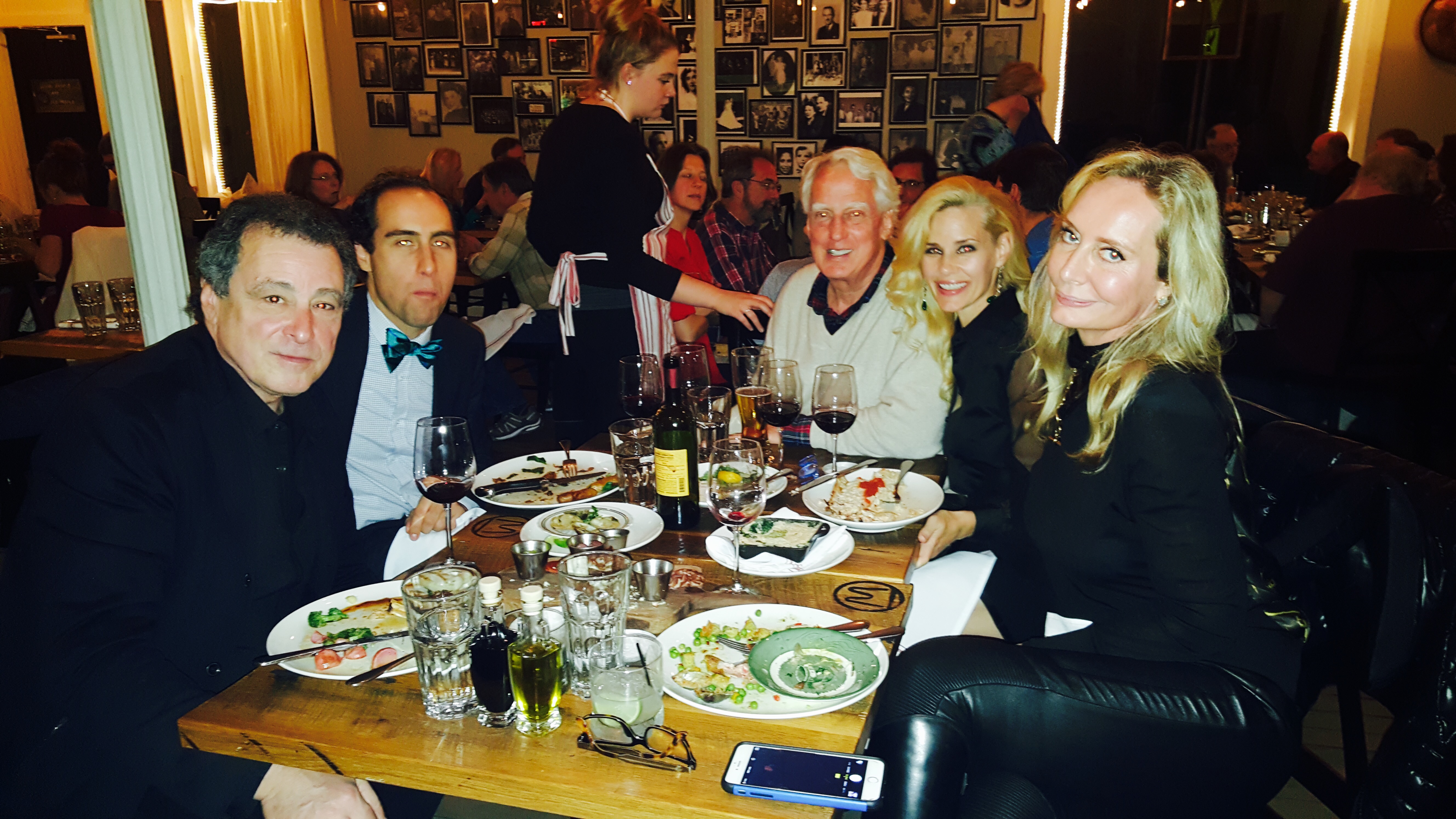
Robert Gladstone, Isaac Lazerson, Robert Trump, Michelle-Marie Heinemann, Marie-Claire Gladstone.


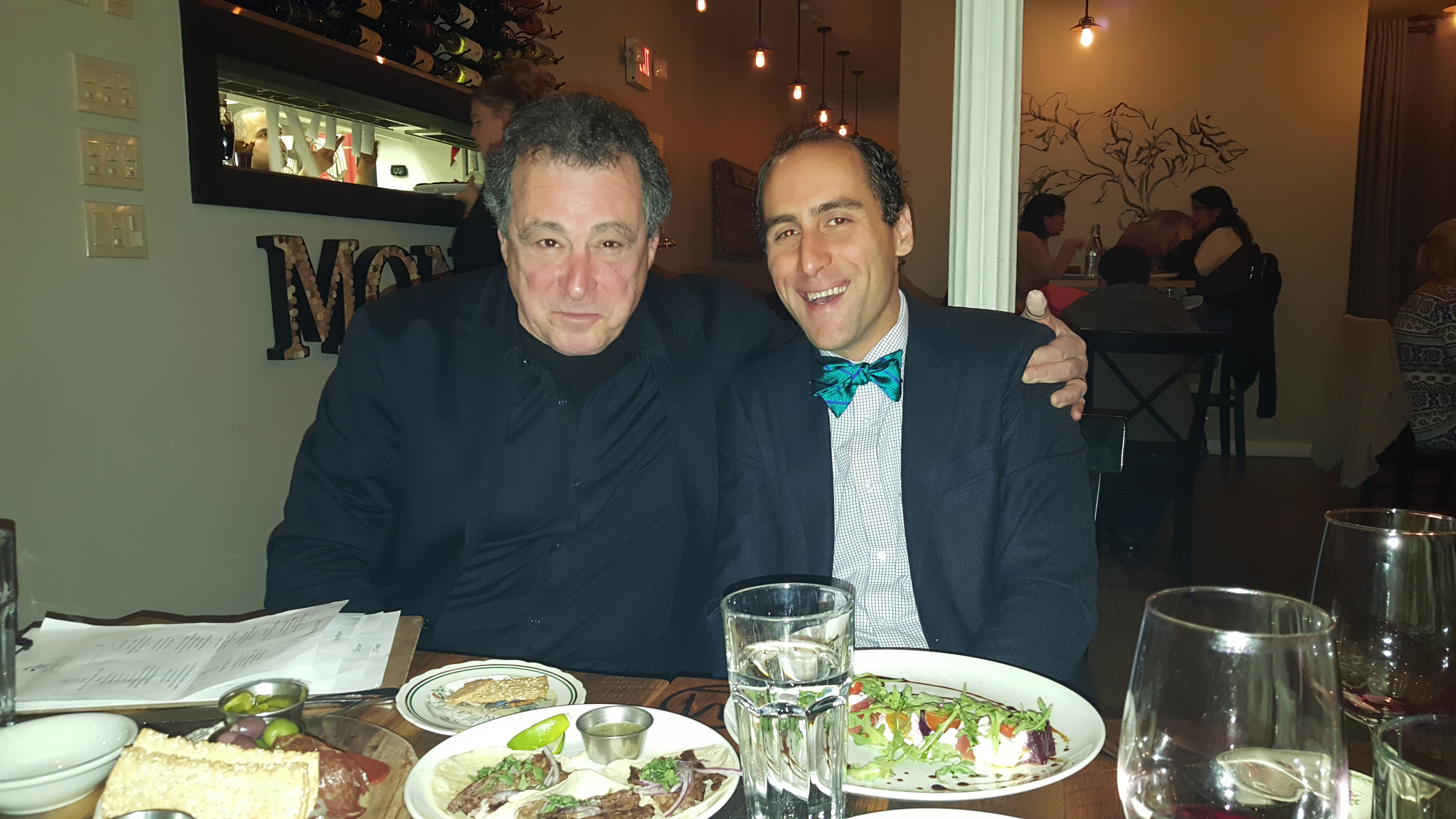
This past weekend I dined at Montes in Amenia, New York. It was completely fabulous as the menu offers a wonderful selection “from the farm” “from the sea” and “Montes specials.” I ordered the local trout stuffed with mushrooms, risotto and Montes signature tomato sauce…it was perfect and paired beautifully with a crisp Sauvignon Blanc from the nicely curated wine list.

element

image2

element

The Monte Family has and continues to signify a tradition of gracious hospitality for over a century, beginning in 1906 with the founding of Monte’s Venetian Room in Brooklyn, NY.

Monte’s Venetian Room was founded by Angelo and Philomena Montemarano, two Italian immigrants who met, fell in love, and continued to strive together both personally and professionally their whole lives through. During the Great Depression, Angelo, Philomena and their seven sons were forced to move into an apartment above Monte’s Venetian Room when they lost most of their real estate holdings. When Prohibition was made Constitutional, Monte’s Venetian Room became a ‘Speakeasy’ with a password required for entry. World War II broke out and brought six of the seven brothers into the military, with one staying behind to run the business. All of the brothers made it home safely after the war only to be handed aprons after 3 days of “vacation” and were put to work.  

Through this, the Monte family stuck together and moved forward to purchase and manage the iconic Gurney’s Inn in Montauk, NY, while unofficially adopting the Sly and the Family Stone song, ‘We are Family’ as a personification of their own. That on-premise, responsible family management was just a continuation of the values and gracious hospitality that were handed down from the family founders, Angelo and Philomena.

From the days of sawdust on the floors in Brooklyn, to the wide, white sandy beaches of Montauk, the Monte Family has lived and worked through every important local, national, and international event including the Great Depression, Prohibition, two World Wars, the Hippy Generation/British Invasion, the man on the moon and so many more. In every case, important events dictated special circumstances that had to be dealt with and adjusted to in order to survive. Through these times, the Monte family was able to provide flexibility to manage these changes, yet they continued to embrace a stable sense of hospitality that helped many individuals cope with the stressors that the ever changing times would bring.

Today, the Montes have reinvented themselves in the Hudson Valley of New York with the advent of Monte’s Local Kitchen & Tap Room in Amenia. This more recent development in the long historical legacy of the Monte Family came about in 2014 when Ann Marie Pallan, one of the third generation siblings, found a location in Amenia, NY that so closely resembled the original Monte’s building in Brooklyn. Ann Marie was so taken aback that she immediately called her brothers and sisters to come up to the Hudson Valley to see for themselves. Shortly thereafter, the seeds were sown for the birth of a new entity to be called Monte’s Local Kitchen & Tap Room. Subsequetly, a partnership was formed between the Monte family and Dafna Mizrahi, a graduate of the Culinary Institute of America and now General Manager and Executive Chef, to continue the tradition of hospitality for future generations to come.

From our family to yours, it is assured that you will always feel at home with us. To many more generations and years of hospitality to come- enjoy!

image13

image1 (1)

image6image2 (1)

Monte’s is a great place to have fresh delicious food, relaxed conversation and even live music on Friday nights!!!!

elementContact:

(845) 789-1818

MontesKitchen@gmail.com

Address:

3330 NY-343,

Amenia, NY 12501


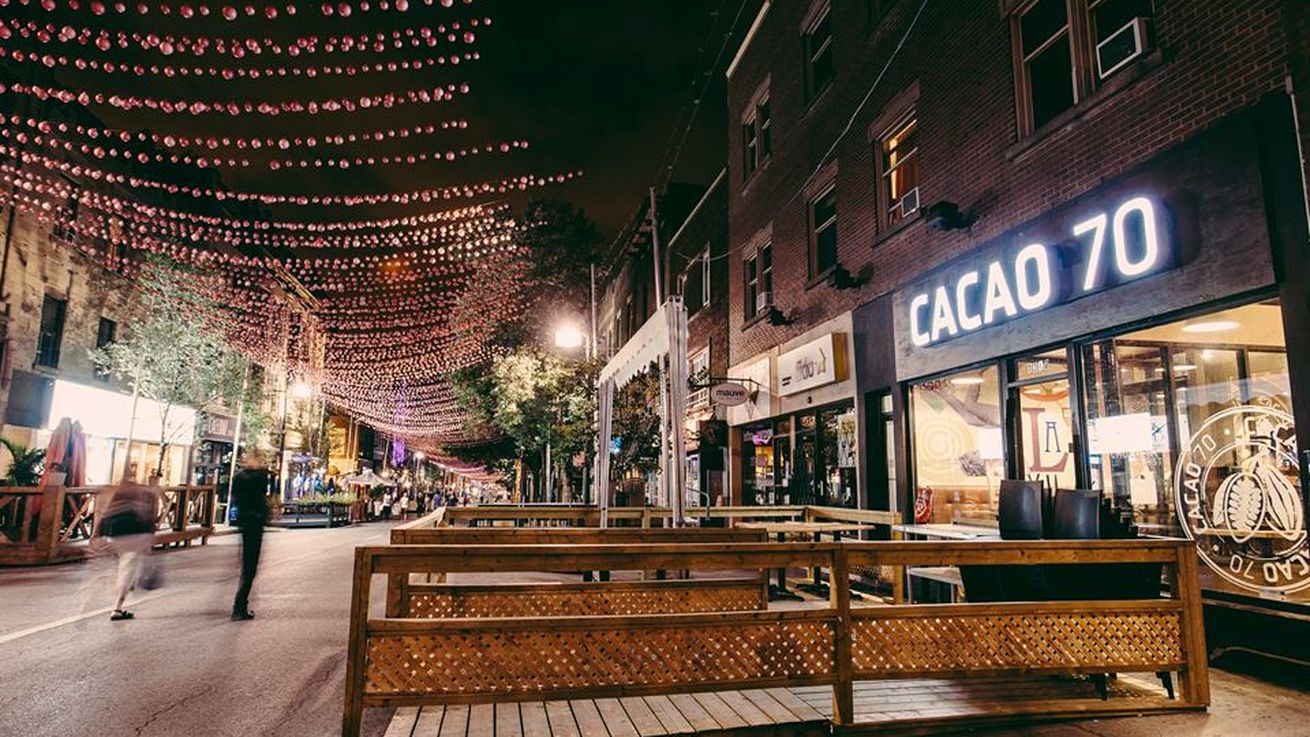
Cacao 70 ~ Montreal, Canada:

image1

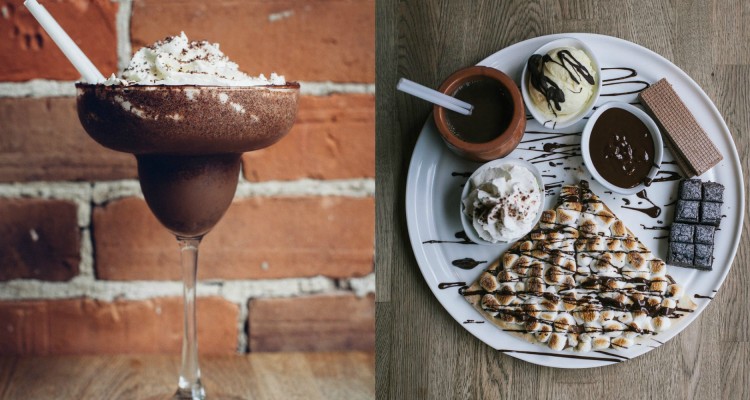
Best Hot Chocolate in Montreal….and Easy Ying shares with us his secret recipe for making their specialty:

Champurrado (Mexican hot chocolate)

1 cup milk
85 g good quality dark chocolate, chopped (3 squares)
2 tsp cocoa
1/2 tsp ground cinnamon1 tsp cornstarch
2 tbsp coffee liqueur (optional)
cinnamon stick
whipped cream

POUR milk into a saucepan. Place over medium. Heat until milk comes to a simmer. Whisk in chocolate, cocoa and cinnamon. Whisk in cornstarch. Bring to a boil, whisking continuously until mixture is slightly thick and smooth. Whisk in coffee liqueur, if desired. Pour into a mug. Garnish with whipped cream and a cinnamon stick. Serves 1.

element

Cacao 70 offers 30 different varieties of Hot Chocolate…I ordered the “Peru” while both my children ordered the “Belgian” we were all equally delighted with our choices. Being a family that eats chocolate daily, we are a bit snobbish when it comes to taste…Cacao 70 did not disappoint. I highly recommend a visit, it is fun with attentive service and a full menu.


image1(2)

DSC_0401aaaa

image2(2)

image2a

image3

image3(1)

image4

element

Contact:

514-933-1688.

village-mtl@cacao70.ca

Address:

1310, Ste-Catherine Street East,
Montreal, QC H2L 2H5

Montreal Botanical Garden:

index

jardins-accueil-jbm013477_0


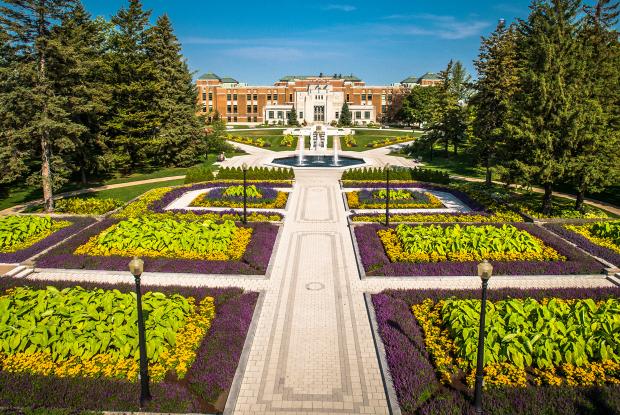
The Montréal Botanical Garden, one of the city’s jewels, is recognized as one of the world’s greatest botanical gardens. It offers a colourful program of events, exhibitions and activities all year long.

With its collection of 22,000 plant species and cultivars, 10 exhibition greenhouses, Frédéric Back Tree Pavilion, and more than 20 thematic gardens spread out over 75 hectares, it’s also a perfect place to enjoy fresh air and natural beauty.

Located just minutes from downtown Montréal, right near the Biodôme and Olympic Park, the Montréal Botanical Garden is a veritable living museum of plants from the four corners of the globe.

Associated with the Montréal Botanical Garden, the Insectarium welcomes you to discover the world of insects.

element

Butterflies Go Free

A Caterpillar’s Life

Beneath their parents’ colorful wings, butterfly and moth caterpillars are eager to show you that they, too, can be amazing.

Do you remember hunting for caterpillars among the leaves, as a child? Now you can look for some astonishingly diverse caterpillars amidst the tropical plants in the greenhouse. Green, yellow or blue, striped or spotted, covered in wax, hair or spines, caterpillars use all sorts of clever tricks to defend themselves – and impress and surprise you!

Learn about this little-known phase in butterflies’ lives, and share the pleasures of “childhood” with the caterpillars at Butterflies Go Free.

~~~~~

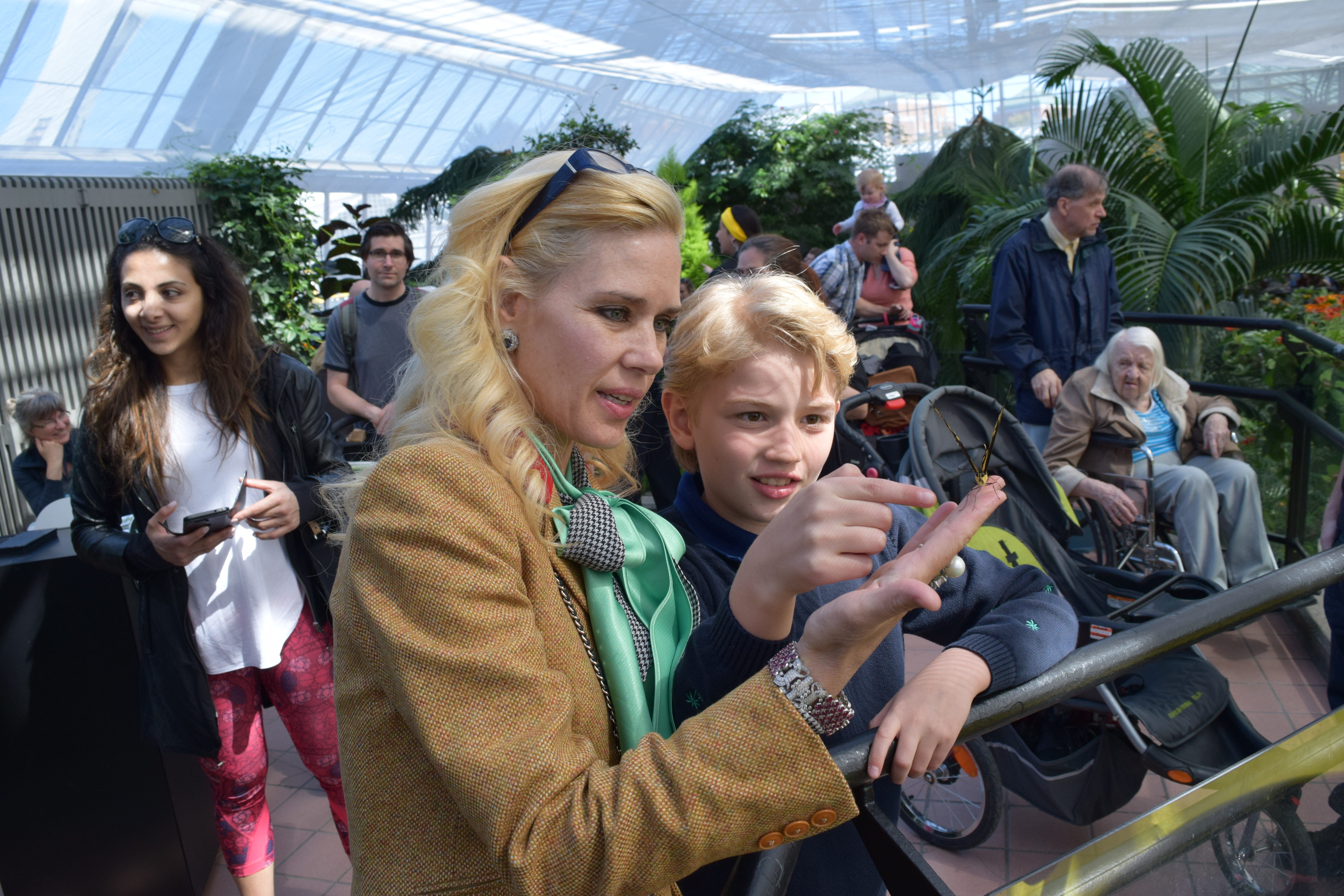
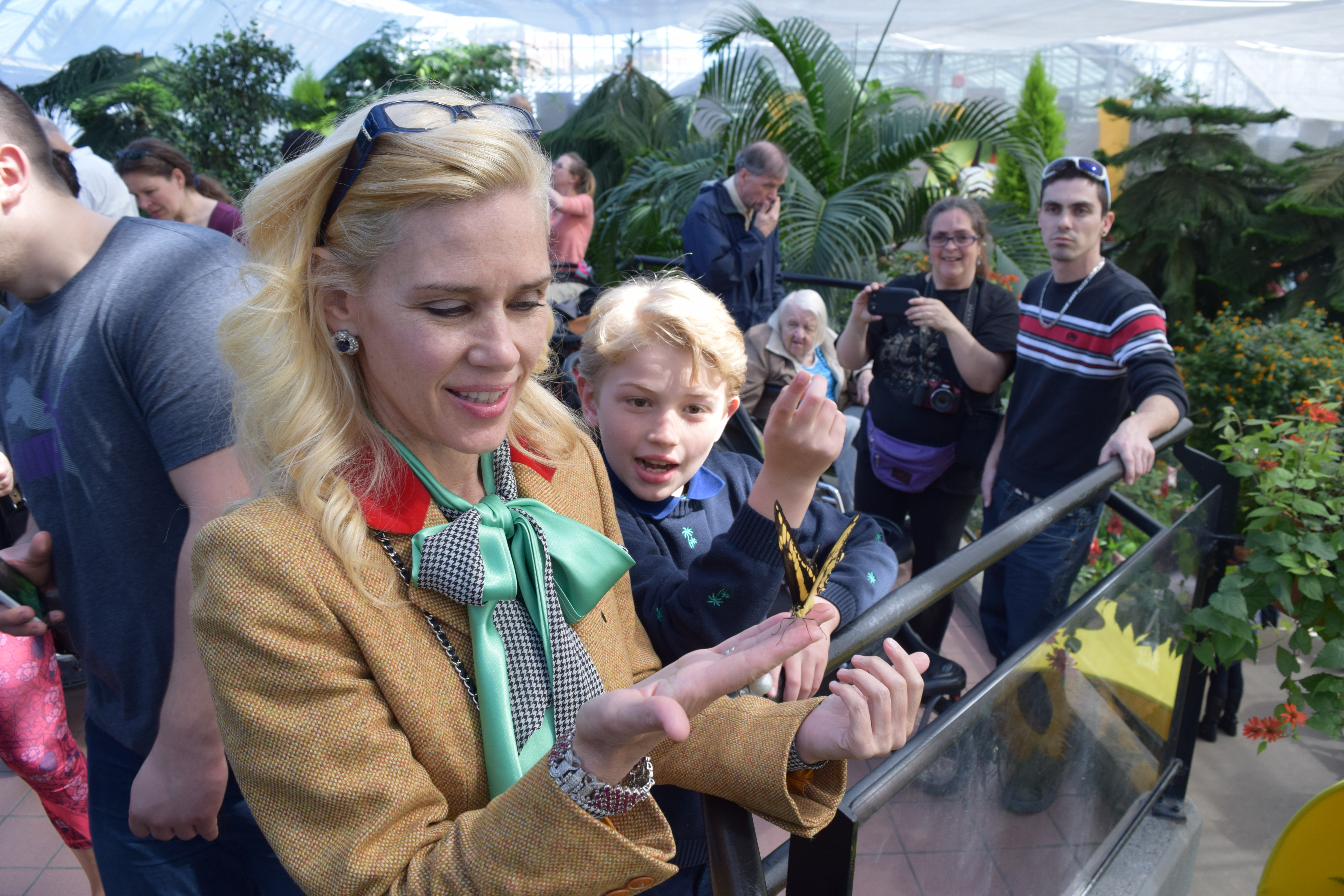
My family and I marveled at the friendliness and comfort the butterflies displayed as they landed ever so gently on our hands. The colorful beauties were a sight to behold and the highlight of the Gardens. This is a wonderful place to expose children to flora and fauna. 

????????????????????????????????????

DSC_0388

DSC_0386

DSC_0385


DSC_0335

element

Phone:

514 872-1400
Address:
4101, rue Sherbrooke Est
Montréal  Quebec  H1X 2B2

Canada

The Ritz-Carlton Montreal:
RCMNTRL_00003_conversion.png

element

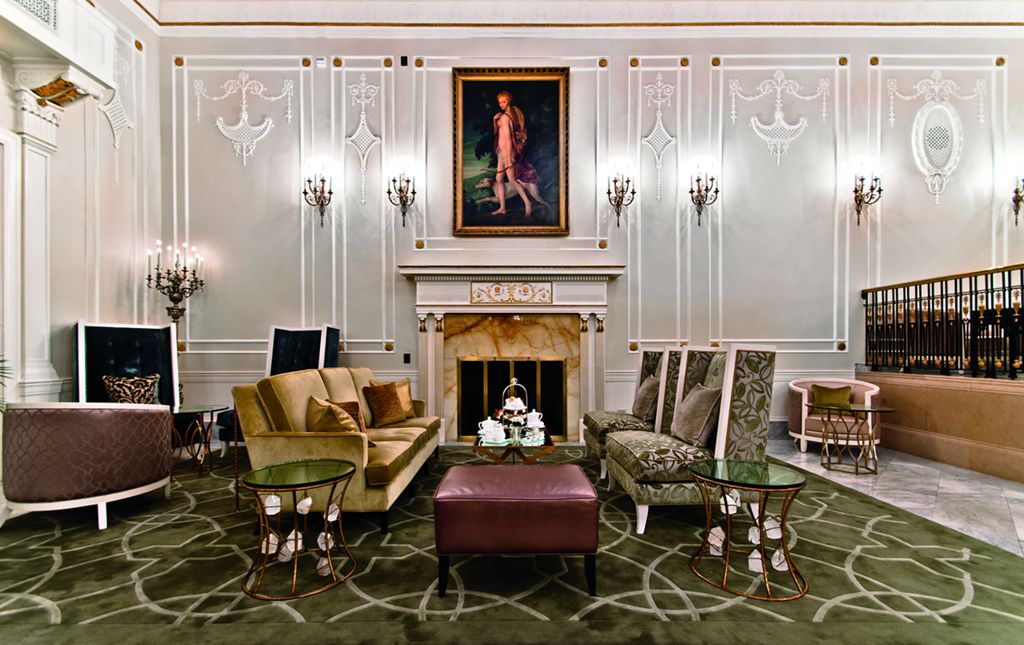
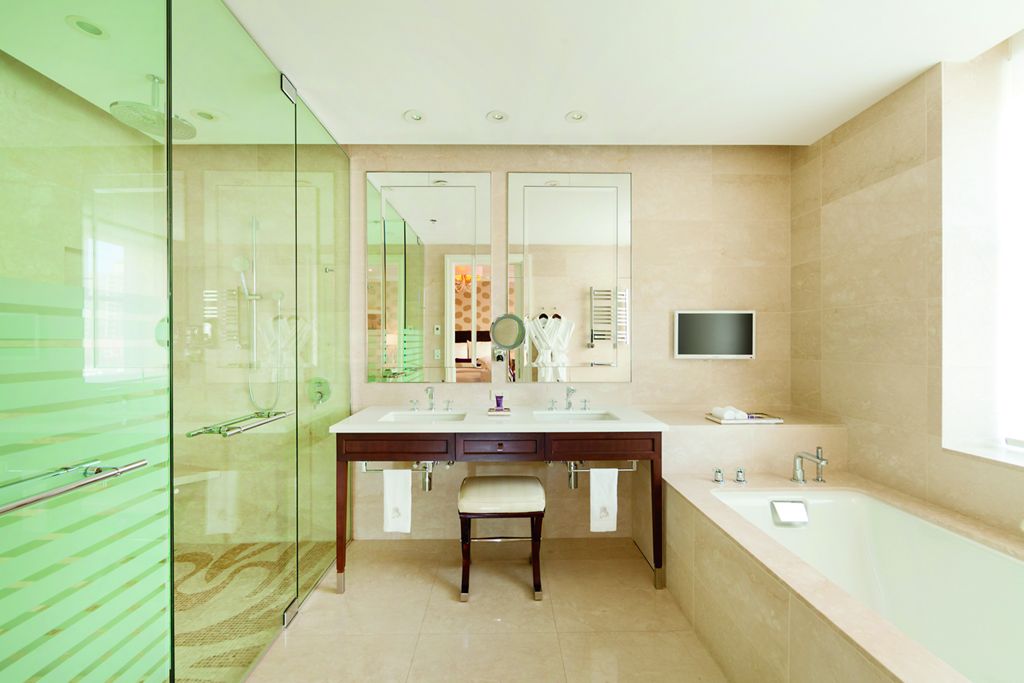
On a recent trip to Canada my family and I stayed at The Ritz-Carlton Montreal.

When it opened its doors in 1912, the Ritz-Carlton Montreal set a new standard for luxury. Today, more than 100 years later, the Grande Dame of Sherbrooke Street blends its historic splendor with contemporary design, offering an unparalleled boutique hotel experience in the heart of downtown. The only Quebec hotel to hold the prestigious AAA Five Diamond, the Ritz-Carlton Montreal offers guests:

  • Boutique hotel accommodations blending historic elements with modern features
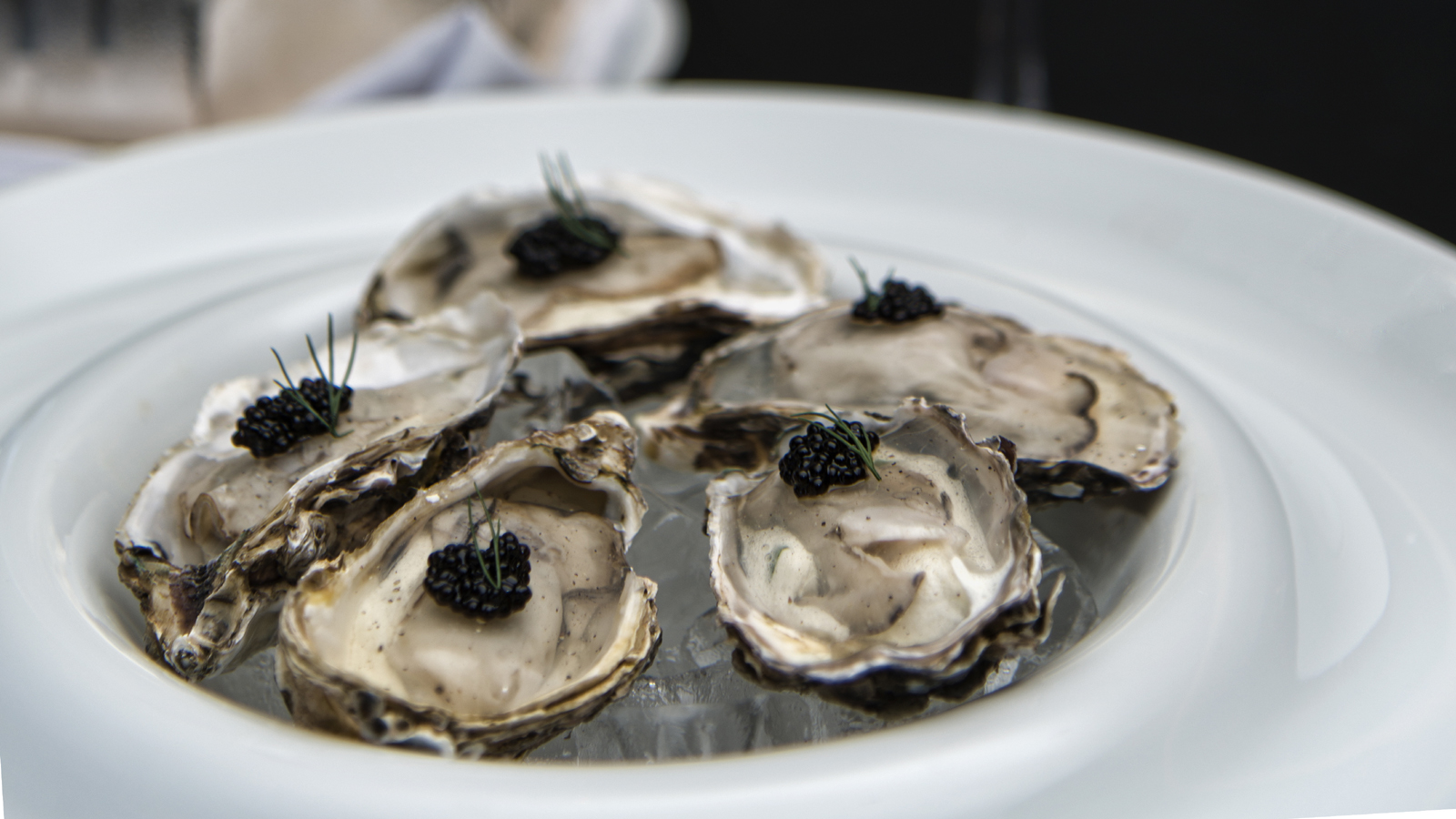
  • Fine dining at Maison Boulud, featuring modern interpretations of classic French cuisine in an upscale setting
  • Elegant meeting and event spaces that offer flexible seating arrangements and state-of-the-art technology
  • A rooftop and terrace featuring an indoor saltwater pool and stunning views overlooking the city
  • Afternoon Tea, which originated at this downtown Montreal hotel
The personal attention to every detail was extraordinary and the gracious manner in which the staff accommodated us …..sublime. Our suite was perfectly prepared and attended to promptly.
Breakfast by the saltwater pool is a must and a quick visit to the sauna is both healing and reflective as the hot stones restore ones inner spirit.
DSC_0257
RCMNTRL_00063_conversion.png
Afternoon tea in the Palm Court is deliciously elegant and lends itself to an era of refinement and leisure, a time to converse with friends and family in a no rush environment with attentive waiters that will custom make a desired request.
DSC_0238

I highly recommend a visit to Montreal and especially as a weekend retreat, there is plenty to do and see and the overall character and feeling of this charming city is  friendly and inviting.

element


RCMNTRL_00024_conversion.png

Dom Perignon_2.png

RCMNTRL_00035_conversion.png

Palm Court_2.png

RCMNTRL_00055_conversion

RCMNTRL_00034_conversion.png

MB_6.png

RCMNTRL_00009_conversion.png

RCMNTRL_00011_conversion.png

custom_RCMNTRL_00027_213193_conversion.png


RCMNTRL_00008_conversion.png

RCMNTRL_00025_conversion.png

RCMNTRL_00060_conversion.png

RCMNTRL_00062_conversion.png


element

Main contact:

+1 (514) 842-4212

Address:

1228 Sherbrooke St. West
Montréal, H3G 1H6 Canada

L’Etoile:

image1

element

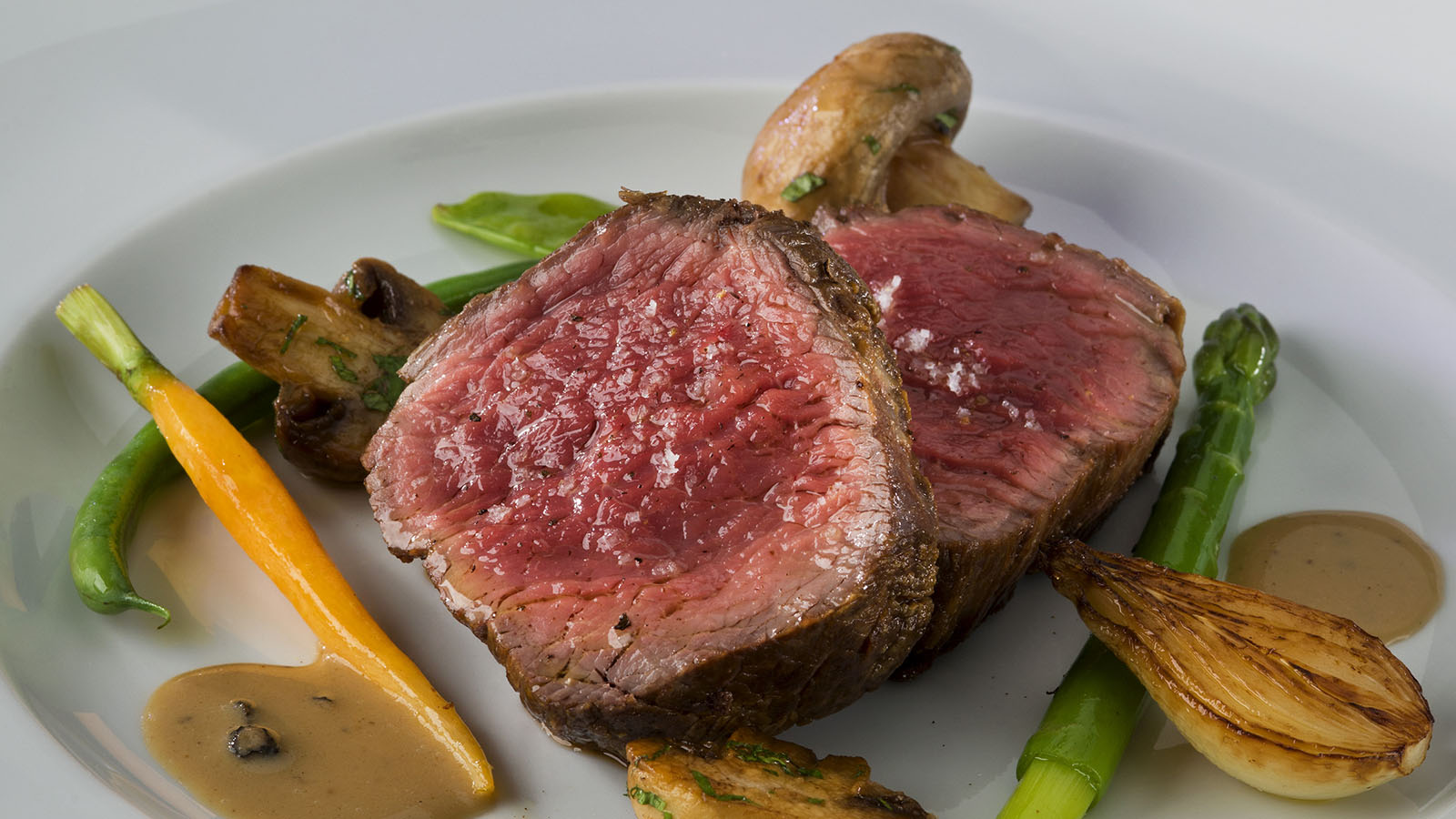
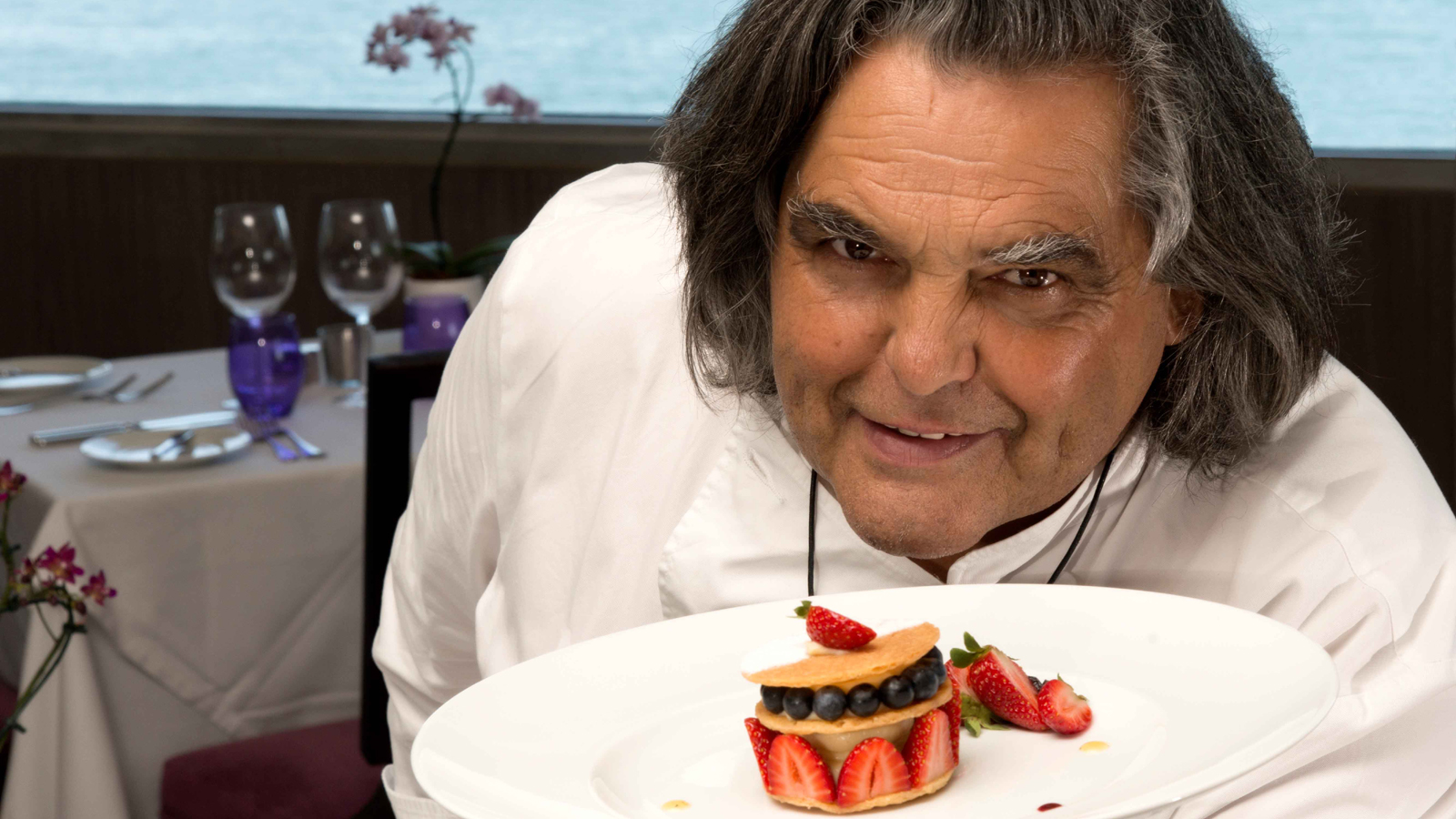
The menu at L’Etoile was created by renowned French Chef, Jean Paul Bondoux. Originally from Burgundy, Bondoux has settled in South America for over 30 years, where he has the established La Bourgogne restaurants in Punta del Este – Uruguay, and in Buenos Aires – Argentina, as well as NoSo at the hotel W Santiago in Chile. Bondoux arrives in Brazil at the roof top of the Sheraton Rio Hotel, featuring a traditional French cuisine focused on the simplicity and high quality of the local produce to replicate some of his traditional long standing recipes as well as new seasonal dishes with Brazilian influence.

element

image2(1)


image3


image4


image1(1)

Main contact:

L’Etoile

Phone: 55 21 2529 – 1299
Email: letoile.rio@sheraton.com

Address:
Located: At the 26th Floor of Sheraton Grand Rio Hotel and Resort
Address: AV Niemeyer 121, Leblon – Rio de Janeiro, Brasil