Posts Tagged ‘Michelle-Marie Heinemann’

The 2019 Mustang Bullitt
Few cars are as iconic as Steve McQueen’s 1968 Mustang GT Fastback in the box office smash Bullitt. Just in time for the legendary film’s 50th anniversary, Ford will be premiering the new limited-edition 2019 Mustang Bullitt—with features inspired by the original car, including the Dark Highland Green exterior, dark grille and signature fuel cap—at the 2018 Canadian International AutoShow. Ford previously manufactured Bullitt models in 2001 and 2008, but the 2019 may be the best one yet. The difference this time around? For starters, unique 19-inch wheels and more horsepower than a Mustang GT!

The Lexus LS+ Concept
All major car makers are looking towards the future these days, but few are as bold as Lexus. Meet the LS+ Concept: an impressive balance between classical design and state-of-the-art technologies. While the innovative Spindle Grille and partly laser-lit headlamps are reasons enough to make a purchase, the real prize is the sedan’s AI-powered automated driving tech. Dubbed the “Highway Teammate,” the feature allows the LS+ to take over driving duties from entrance ramp to exit ramp, including merging and lane changes, according to Lexus. The Lexus LS+ Concept and its technology won’t be available until 2020, so make sure to check it out at the 2018 Canadian International AutoShow.
70 Years of Porsche
Although founder Ferdinand Porsche established the family business in Germany in 1931, the Porsche legend really began in 1948, when his son, Ferry, spearheaded the construction of the first Porsche, the 356. The reason? Ferry couldn’t find his dream sports car anywhere on the market. Seven decades later, the manufacturer is widely regarded as the most prestigious automobile brand in the world. The highly anticipated “70 Years of Porsche” at the 2018 Canadian International AutoShow will give attendees a glimpse at the past and future of Porsche, and features vehicles from different generations, including the aforementioned 356, 912, Carrera GT, 911 Turbo and a scale model version of the Mission E Concept. The exhibit will be on display on Level 100 of the North Building.
The World’s Fastest Car
Zero to 400 km/h in 33.29 seconds? Check. A top speed of 446.19 km/h? Check. Owner of five world speed records? Well, you get the idea. Making its Canadian debut at the 2018 Canadian International AutoShow, the Koenigsegg Agera RS is the fastest production car on the planet. One of the latest offerings from the Swedish car manufacturer, what really sets the Agera RS from other supercars is the fact that it’s totally street-legal—although you’ll definitely need plenty of money to buy it! AutoShow attendees will be able to see the supercar in Auto Exotica on the 100 Level of the Metro Toronto Convention Centre’s North Building.

50 Years of Hot Wheels
Odds are your first real vehicle wasn’t an old fixer-upper from the used car dealership, but a die-cast Hot Wheels toy car. Fifty years and six billion cars later, the iconic American brand still aims to inspire young gearheads and budding global automotive designers alike. To celebrate the anniversary of Hot Wheels, the 2018 Canadian International AutoShow will feature an exhibit that includes the latest toy models, collectible rarities, a play zone complete with its own super track, and six life-size Hot Wheels cars, including a Darth Vader character car made from a fifth-generation Corvette.
The Art of the Mascot
This year’s Art & the Automobile exhibition may be its most expensive yet: the collection of vehicles totals a whopping $20 million! Entitled “Jewels,” all 17 classic cars on display have been selected because of their distinctive hood ornaments and badges—most crafted before automotive safety regulations and changing tastes made them obsolete. Make sure to check out the hood ornament of the 1925 Rolls Royce Silver Ghost, called “The Spirit of Ecstasy” and designed by acclaimed British sculptor Charles Sykes, or the hood ornament of the 1929 Packard, called “The Goddess of Speed.”
BY ROBERT LIWANAG, READERSDIGEST.CA
Posted in Products. People. Places.
Tags: Old Fashioned Mom People, Old Fashioned Mom International Company, Magazine Company, Old Fashioned Mom Advice, Old Fashioned Mom, New York, Magazine, Global Company, High Society, 2018, Coffee Distributor, Luxury Living, Hudson Valley, London, Old Fashioned Mom Travel, Old Fashioned Mom Things, Old Fashioned Mom Real Estate, Old Fashioned Mom Places, Old Fashioned Mom Daily News, Old Fashioned Mom Events, Old Fashioned Mom Dining, Old Fashioned Mom Coffee, Top Percent, World, Wealthy, Summer, Old Fashioned Mom Show, Michelle-Marie Heinemann, Palm Beach, Old Fashioned Mom Magazine, New York City

1. Next-gen car fresheners
Have you ever been on a road trip, and found yourself cruising through one of those towns with a seriously funky smell? And no matter what you did—blasted the fan, rolled up all the windows, loaded up on air fresheners—the stench simply wouldn’t go away?
Buick has drivers of the all-new Enclave breathing a bit easier with the introduction of an air ionizer: a new car feature that combats foul fragrances from both inside and out. More than just a simple odour eliminator, the ionizer also reduces airborne dust, pollen, bacteria and viruses. And what happens when you breathe fresh, clean air? You’re more alert—which makes you a better, safer driver!
2. Multi-tasking tailgates
A tailgate is the one of the most used (and abused!) parts of any truck. GMC has taken that into account with the launch of the all-new Sierra and its MultiPro Tailgate—essentially six impressive new car features in one. This multi-tasking tailgate powers down for effortless access; has a step to help you climb into the bed; a flip-up lip to keep oversized items in place; a swing down centre-section so you can access the bed without crawling inside; and an inner gate load stop. Oh, and it can convert to a stand-up work surface, too. Truly the most innovative tailgate you’ll see this year.

3. Teen Driver Technology
This new car feature from GMC allows parents to monitor and regulate the driving habits of their teenagers. By programming the key or key fob, Teen Driver Technology allows you to limit certain car functions, and prevent active car safety features from being disengaged in order to promote safer driving. You might, for instance, program it such that the car audio is muted until the seat belts are buckled, or lock-in features like blind spot monitors and traction control. You can also set a max speed limit, which comes in handy if you’ve got a young driver with a heavy foot. What’s more, this feature also provides you with a report card to show you how your teenager has been driving.

4. In-vehicle WiFi
Canadian phone data plans are among the most expensive in the world, but it doesn’t stop us from burning through the Gigs by streaming music, watching movies and using GPS. That’s why in-vehicle WiFi is a new car feature that’s gaining serious momentum. With this option, you can connect multiple devices to your car’s WiFi at once and not have to worry about draining your mobile data.
Prefer a good, old fashioned book while in the passenger seat? Here are 10 Great Reads to Pass the Time on a Road Trip.
5. Rear Seat Reminder
Every summer, the headlines give us a tragic reminder of what can happen when a child is left unattended in the back seat of a car. For that reason alone, GMC’s Rear Seat Reminder—which issues an alert if the vehicle’s rear doors have been opened during or just before a trip—is a new car feature that’s worth looking for.
6. Mobile apps
Keyless entry with a push-button start is becoming the new normal. The problem is, the fobs that accompany these features seem to be getting bigger and bigger! That’s where mobile appscome in, allowing you to remote start, stop, lock and unlock your vehicle from your smartphone, no matter where you are (as opposed to fobs, which tend to have a maximum range of 200 feet). Just think: In the dead of winter, you can schedule your vehicle to start five minutes before you so you’ve got a toasty warm ride waiting for you. Likewise, in the summer, you can remote start your car to cool down long before you slip behind the wheel. Some apps even provide vehicle diagnostics, current fuel level readings and local gas prices if you need to fill up.

7. Auto start/stop
Gas mileage is still a major consideration when people buy a vehicle, especially for city drivers, who often spend more than an hour a day in stop-and-go traffic. A new-to-you feature to combat the urban mileage drain is an auto start/stop feature, which shuts off the engine when you come to a complete stop and turns it back on when you lift your foot off the brake. Originally exclusive to hybrid vehicles, this feature is now making waves in the mainstream market.
Bonus: We answer “Why Don’t All Vehicles Have Gas Tanks on the Same Side?“
8. Auto high beams
Don’t you hate it when you’re driving at night and find yourself approached by a car with its high beams on? Your only options up until now have been to squint through the glare and maybe flash your own high beams to let them know. But what if cars automatically dipped their high beams when they sensed another vehicle approaching, or entered a stretch of road illuminated by streetlights? Well, that’s exactly what the Auto High Beams option does, and for that reason, it’s a new car feature worth splurging on.

9. Heated steering wheels
Picture it: Canada, in the dead of winter. You huddle against the biting wind, regretting not having slipped on a pair of gloves before heading out to the driveway. The thought of gripping a cold leather steering wheel is enough to make you shudder.
The good news? This chilling scenario can be avoided simply by investing in a heated steering wheel (shown here in the GMC Canyon Denali). Although it’s optional on lower trim levels, this popular new car feature is increasingly being offered as standard on higher trims.
Not on the market for a brand-new ride? Give your vehicle an affordable upgrade with these 5 Car-Warming Accessories for Winter!
10. Cooled seats
Fast forward six months: You leap into the driver’s seat and scald whatever flesh comes into contact with the black leather upholstery that’s been baking in the hot summer sun for the past several hours. This is when the value of cooled seats becomes very apparent—particularly now that you can select from multiple cooling levels for a perfectly comfortable, climate-controlled backside.
BY DUSTIN MORRIS, READERSDIGEST.CA
Posted in Products. People. Places.
Tags: Old Fashioned Mom People, Old Fashioned Mom International Company, Magazine Company, Old Fashioned Mom Coffee, Old Fashioned Mom Advice, New York, Old Fashioned Mom, Global Company, High Society, Coffee Distributor, Luxury Living, Magazine, Hudson Valley, London, Old Fashioned Mom Travel, Summer, Old Fashioned Mom Real Estate, Old Fashioned Mom Places, 2018, Old Fashioned Mom Dining, Old Fashioned Mom Daily News, Old Fashioned Mom Events, Top Percent, World, Wealthy, Old Fashioned Mom Things, Old Fashioned Mom Show, Michelle-Marie Heinemann, Palm Beach, Old Fashioned Mom Magazine, New York City

Hottest wheels in the world
The Swedish-built Koenigsegg Agera RS costs $2.1 million, but you get what you pay for. The supercar was clocked doing 284 mph, making it the fastest street car in the world. It’s great if you have that much money to spend on the car… because it means you’ll have enough for the speeding tickets.
Find out how one city is using optical illusions to prevent traffic accidents.
Who you gonna call?
Need to get to your next ghost-capturing job quickly? Take a ride in this, a replica of the car from the movie Ghostbusters. The ECTO-1 is a 1959 Cadillac Miller-Meteor ambulance conversion—only 400 were made. That’s even rarer than the Class 5, full-roaming vapor ghost Slimer from the movie.
Check out the most iconic classic cars on television.
Small wonder
If you forgot where you parked your Peel P50, you’re going to have a lot of trouble finding it. The three-wheeled wonder, which was made in the early 1960s, is the smallest car in the world! From front to back, it’s about 54 inches long. If you don’t have a ruler handy, that’s about half of Shaquille O’Neal.
Here are our favourite reader-submitted pictures of cars—classic to clunker.
Coolest convertible
The McLaren 650S Spider supercar’s roof can be raised or lowered in just 17 seconds—while you’re travelling as fast as 19 mph. Once the roof is down (or up), the car can go from 0-100 mph in three seconds, with a top speed of 204 mph.
These 13 maintenance tips will keep you on the right track.
Does the Dark Knight get parking tickets?
Bad news for bad guys: the Batmobile from the Dark Knight movies is real! And any wannabe Batmen or Batwomen out there can buy it—if they happen to have $1 million to spend. According to a test driver from Top Gear, it has a monster engine, 44-inch tires, custom windows, five cameras, and “the ability to scare fellow road users senseless.”
Check out these eight greatest car chases in film history!
Faster than the speed of sound
Yes, this is a car: The ThrustSSC is a twin turbofan jet-powered car that went 763.035 mph in October 1997, earning it the World Land Speed Record. The ThrustSSC was the first car to travel at a supersonic speed, meaning it broke the sound barrier at Mach 1.016. Which makes honking useless, since the car will arrive before the beep does.
Here are the 5 silliest misconceptions about cars.
Super Ferrari
It looks cool and sounds cool, so we’re going to go ahead and say that the Mansory Stallone Ferrari 812 Superfast is very, very cool. It was revealed at the 88th Geneva Motor Show and made it tough for any of the other cars to get noticed. You get all of the power and speed you’d expect from a Ferrari, plus the excellent and luxurious interior.
Ka-chow!
While promoting the release of Cars 3, Pixar Studios sent a full-size Lightning McQueen on a worldwide tour, making stops from Detroit to Malaysia. In case you’re wondering what kind of car Lightning is, the answer is… none. The filmmakers have explained that it has elements of GT40s and Chargers and of the Corvette C6, but McQueen is his own beast.
Anything but a drag
This Miller Race Cars dragster is so fast, you’re definitely going to want to buy one of the $420 parachutes the company sells to make it stop. In fact, you might want to get two just to be safe.
Don’t miss these 10 new car features you didn’t know you needed.
Bubble bursting with awesome
This 1960 Volkswagen Beetle Bubbletop car was shown at the Detroit Autorama, where folks who are crazy about cars show off their custom and restored work. This looks super fun to drive—unless it’s raining: You’d need about 10 windshield wipers to see out.
Learn about the best Canadian car show you’ve never heard of.
Time machine
In the Back to the Future movies, Marty McFly travels around the past and future in a time machine his friend Doc Brown built out of a DeLorean DMC-12. And building a time machine out of a DeLorean wasn’t easy. In real life, the car company went bankrupt soon after they started production and it is estimated that there are only about 6,500 of the original models left in the world.
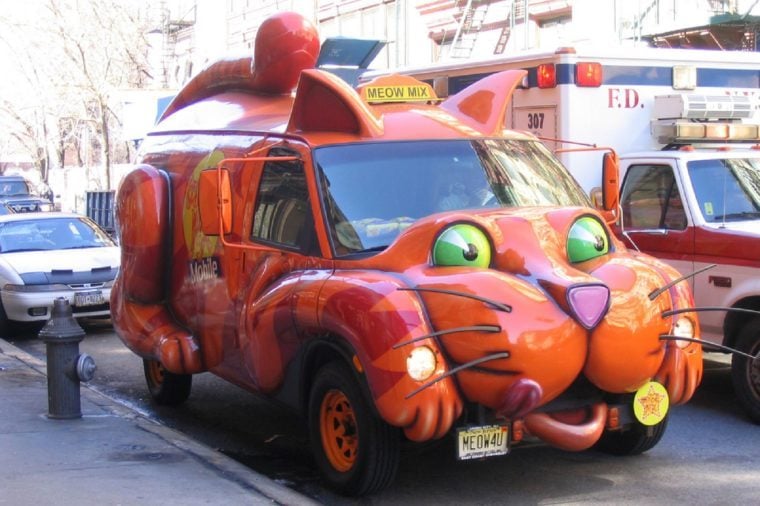
Cat’s meow
Cat food company Meow Mix parked this car on the streets of New York City for publicity. We’re guessing the engine on this cat car really purrs.
Batman starter kit
For those who can’t get their hands on a Batmobile, the Slingshot Grand Touring LE by Polaris is the next best thing. New York Mets all-star Yoenis Cespedes is one famous fan of the car’s cool design and fun driveability. The Polaris website lists all kinds of cool high-tech features, but the real reason to drive this beast is to make everyone else look like a joker.
These 10 car models are way more likely to get stolen.
Look out below!
The cars that compete in the Red Bull Soapbox Race may lack speed—they don’t have motors, so only gravity makes ’em go—but they have plenty of style. This one ran the downhill race track in Lausanne, Switzerland. If you’re inspired, grab a box and some wheels and get to work!
A toy for grownups
You’re never too old to play with Matchbox cars—especially when they are full-size monsters like this. This Matchbox police-themed vehicle is a souped-up 2017 Ford F-350 Super Duty XL, on display at an industry show in Vegas. Did they lock it up at night? Doubtful—a thief would be pretty dumb to steal it!
BY DAN BOVA, RD.COM
Posted in Products. People. Places.
Tags: Old Fashioned Mom International Company, Old Fashioned Mom People, Magazine, Magazine Company, Old Fashioned Mom Advice, Old Fashioned Mom, New York, Luxury Living, Coffee Distributor, Global Company, 2018, High Society, London, Hudson Valley, Old Fashioned Mom Travel, Old Fashioned Mom Things, Old Fashioned Mom Places, Old Fashioned Mom Real Estate, Old Fashioned Mom Daily News, Old Fashioned Mom Coffee, Old Fashioned Mom Events, Old Fashioned Mom Dining, Top Percent, Summer, World, Wealthy, Old Fashioned Mom Show, Michelle-Marie Heinemann, Palm Beach, Old Fashioned Mom Magazine, New York City

1. Let the Sunshine In
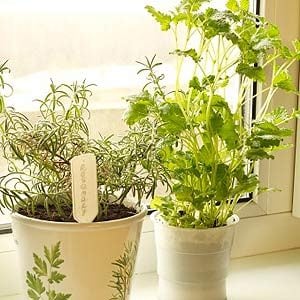
Locate your brightest window and add a set of grow lights, if needed.
(Photo courtesy of Thinkstock)
2. Make a Flat Plan
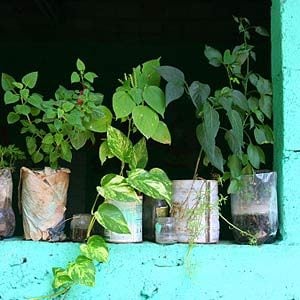
Whether you use flowerpots, a seed-starting box or repurposed grocery-store containers, make sure there are holes in the bottom for drainage and a liner underneath to catch excess water.
(Photo courtesy of Thinkstock)
3. Get Dirty
Fill your chosen receptacle three quarters of the way with organic potting soil. Sprinkle a handful of seeds on top and cover with a light patting of earth.
(Photo courtesy of Thinkstock)
4. Dampen, Don’t Drown
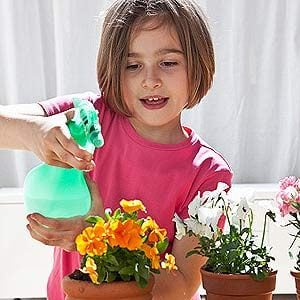
Use a spray bottle instead of a watering can to hydrate the soil until germination.
(Photo courtesy of Thinkstock)
5. Trim Regularly
To ensure a long yield and maximum bushiness, give greens a regular haircut even when you’re not cooking with them. You can dry and store excess herbs for later use.
(Photo courtesy of Thinkstock)
6. Care for the Air
To prevent plants from drying out, keep air flowing with an oscillating fan and use a humidifier to counteract winter’s drying effect.
(Photo courtesy of Thinkstock)
READER’S DIGEST CANADA
Posted in Advice
Tags: Old Fashioned Mom People, Old Fashioned Mom International Company, Magazine Company, Old Fashioned Mom Advice, Old Fashioned Mom, New York, Magazine, Global Company, High Society, 2018, Coffee Distributor, Luxury Living, Old Fashioned Mom Coffee, Hudson Valley, London, Old Fashioned Mom Travel, Old Fashioned Mom Real Estate, Old Fashioned Mom Places, Old Fashioned Mom Daily News, Old Fashioned Mom Events, Old Fashioned Mom Dining, Top Percent, World, Wealthy, Summer, Old Fashioned Mom Things, Old Fashioned Mom Show, Michelle-Marie Heinemann, Palm Beach, Old Fashioned Mom Magazine, New York City

Grow Your Own Healing Garden
Physic (or physick) was the name given to gardens of healing plants grown by physicians and monks in ancient times and by home gardeners well into the nineteenth century. Why not plant your own healing garden with some of these herbs? By investing a little sweat and the cost of the seeds, you can grow your own ingredients for infusions, teas, and balms. Just choose a sunny spot with rich soil for your healing garden. Perennial plants will grow from season to season, while annuals must be reseeded or transplanted.
1. Sage
Sage is a perennial. Sage’s genus name, Salvia, means “to heal,” reflecting its early use as a medicinal (not culinary) herb.
Medicinal uses of sage: Mouth and throat inflammations.
2. Chamomile
Chamomile is an annual. Use chamomile flower heads for infusions and salves.
Medicinal uses of chamomile: Indigestion, anxiety, skin inflammations.
3. Basil
Basil is an annual. Harvest the young leaves of what’s called “the king of herbs” as needed.
Medicinal uses of basil: Flatulence, lack of appetite, cuts and scrapes.
4. Feverfew
Feverfew is a perennial. Use leaves and flowers for teas; chew leaves to ease headache pain.
Medicinal uses of feverfew: Headaches (including migraines), arthritis, skin conditions.
5. Lemon Balm
Lemon balm is a perennial. A relative of mint, lemon balm is a versatile medicinal herb.
Medicinal uses of lemon balm: Anxiety, insomnia, wounds, herpes, insect bites, flatulence, upset stomach.
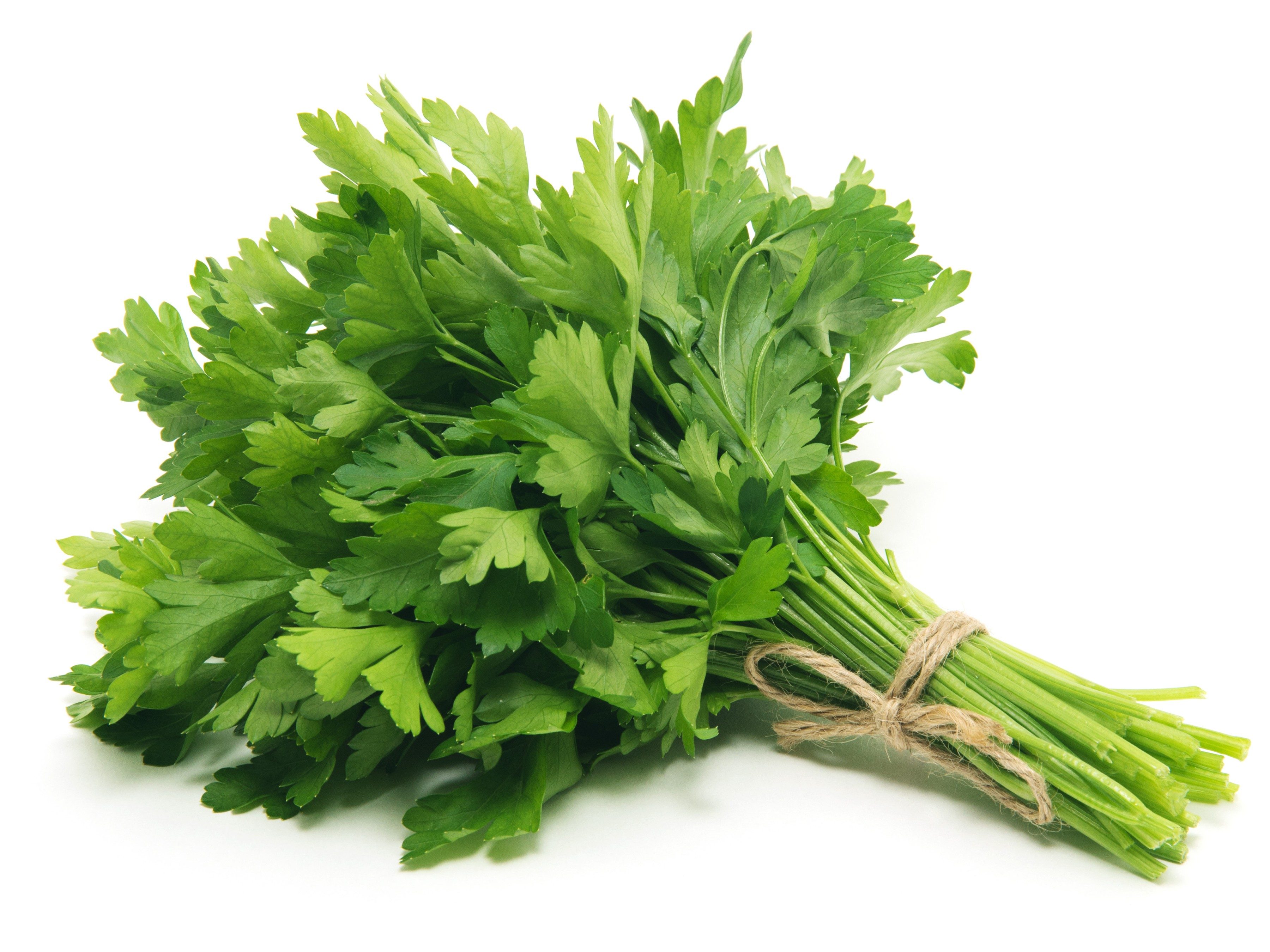
6. Parsley
Parsley is a biennial. Like its curly cousin P. crispum, this herb is loaded with nutrients.
Medicinal uses for parsley: Flatulence, bad breath.
7. St. John’s Wort
St. John’s Wort is a perennial. The glossy leaves and yellow flowers are this herb’s active parts.
Medicinal uses of St. John’s Wort: Mild to moderate depression. (Talk to your doctor first.)
8. Thyme
Thyme is a perennial. The active principle in thyme, thymol, is a strong antiseptic.
Medicinal uses of thyme: Coughs, congestion, indigestion, gas.
FROM BAKING SODA, BANANA PEELS, BABY OIL AND BEYOND
Posted in Products. People. Places.
Tags: Old Fashioned Mom People, Old Fashioned Mom Places, Magazine Company, Old Fashioned Mom Advice, Old Fashioned Mom, New York, Global Company, 2018, Coffee Distributor, High Society, London, Luxury Living, Magazine, Hudson Valley, Old Fashioned Mom Travel, Old Fashioned Mom Show, Old Fashioned Mom Real Estate, Old Fashioned Mom Dining, Old Fashioned Mom Daily News, Old Fashioned Mom Coffee, Old Fashioned Mom International Company, Old Fashioned Mom Events, Wealthy, Top Percent, Summer, World, Old Fashioned Mom Things, Michelle-Marie Heinemann, Palm Beach, Old Fashioned Mom Magazine, New York City

1. Give Birds A Place To Stay
The best gardens for birds are the densest ones, so embrace nature’s mess! Plant at different heights to create layers and lure a variety of winged visitors; tangles of vines, hedges and trees will appeal to shelter seekers. To up the ante, invest in a birdhouse. Make sure it’s well ventilated, and that the perch isn’t located under the entrance hole (it will help protect eggs from intruders). Fill the birdhouse with bits of cotton, wool, lint and feathers to kick-start the nesting process.
(Humans like high-thread-count bedding, and so do birds!)
2. Give Birds A Place To Bathe
The most sought-after tubs aren’t of the claw-foot variety: they’re shallow, with rocks or pieces of driftwood acting as safe landing strips, and sloping sides so the chirpers can wade. Place birdbaths in open areas of the garden to allow birds to spot wily neighbourhood felines before they get too close. And be a good host-scrub the facilities down with a strong-bristled brush (but no chemicals) and replace the water once a week.
3. Give Birds A Place To Eat
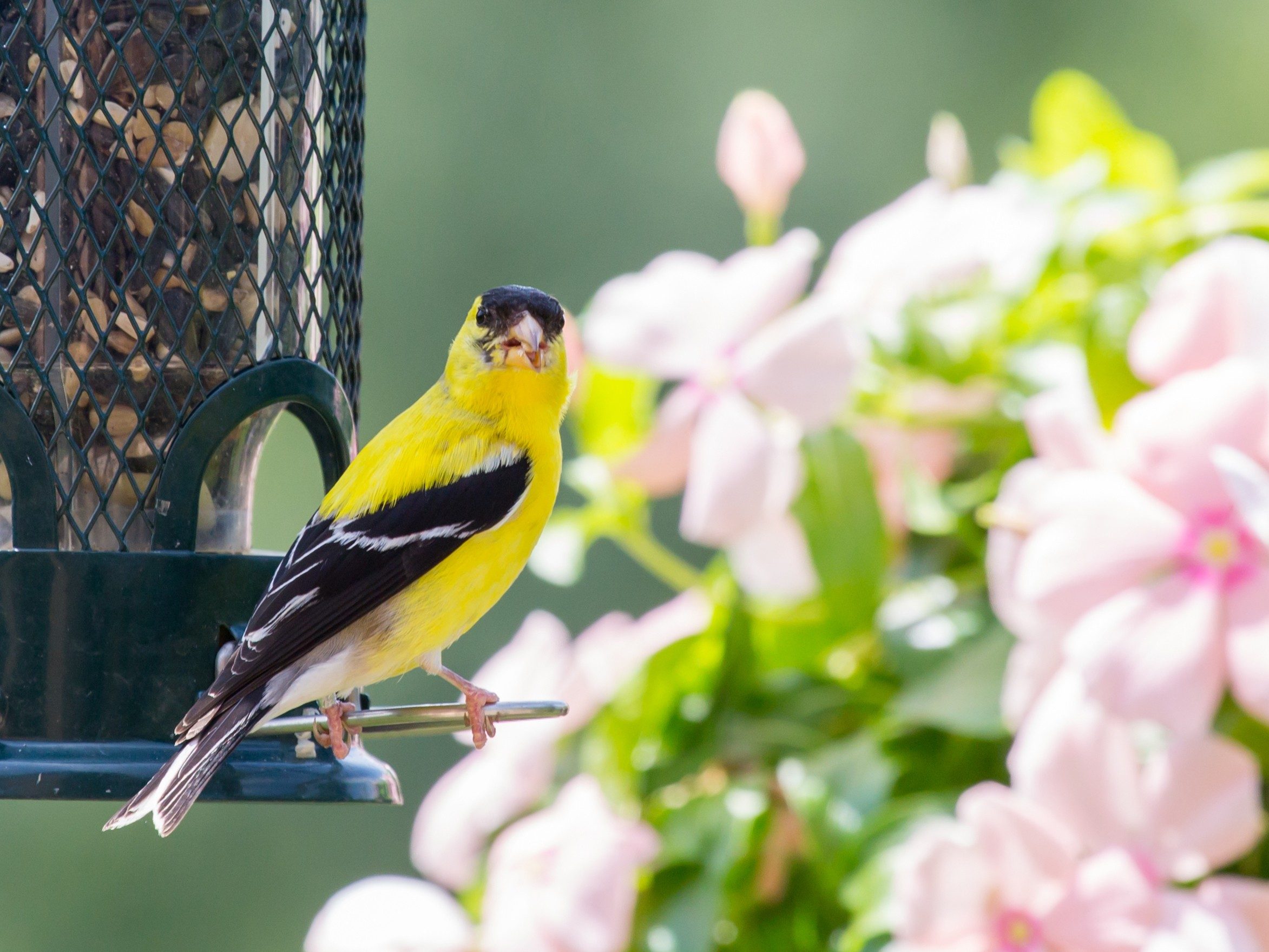
When stocking up for your flock, pick food that will appeal to a large cross-section of birds. Black oil sunflower seeds are a favourite
of cardinals, blue jays, chickadees, nuthatches and some woodpeckers. White millet will attract sparrows, buntings, doves and blackbirds; while niger thistle is catnip for finches. Avoid mixes that feature fillers such as red millet and milo near the top of their ingredients lists. Keep seeds fresh by storing them in a cool, dry place, and don’t hoard-they will spoil. Remember that presentation really is everything. Being able to see the food will attract hungry throngs enticed by the sight of others chowing down (everyone loves a trendy eatery). Make sure your feeder accommodates about a dozen birds.
4. Know Your Audience
Find out what the birds you want to attract are attracted to themselves. Here are a few favourites:
▪ Hummingbirds – honeysuckle, bleeding hearts, blue irises and
red flowering currants.
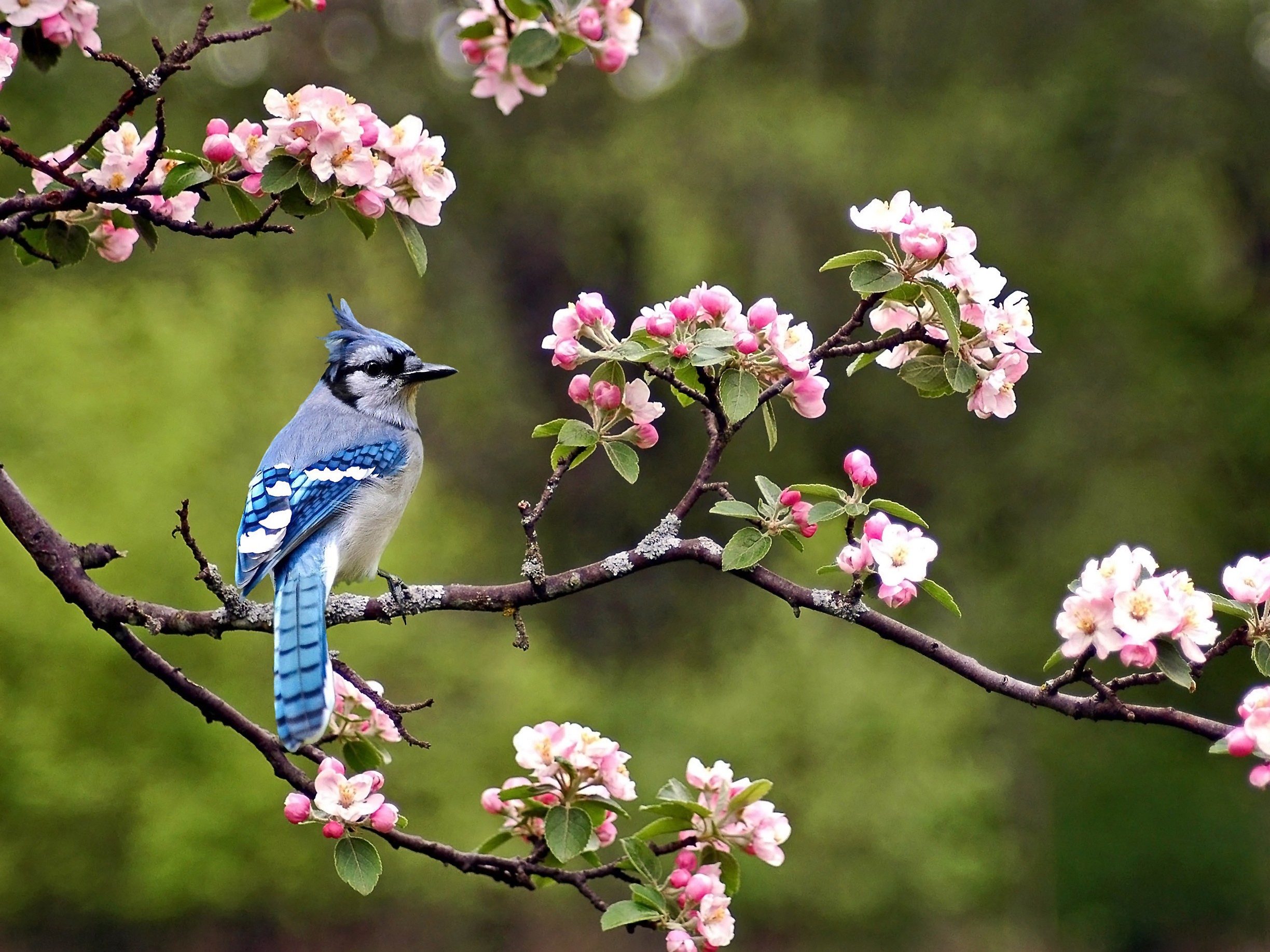
▪ Blue jays – cherries and berries of all kinds, if you’re willing to share. Pine trees are tops, as they offer shelter from the wind.
▪ Finches – sunflowers, goldenrods and dandelions, so think before
you weed.
▪ Cardinals – shrubs and climbing roses for nesting; and pines, spruce trees and evergreens for roosting.
BY KATHERINE LAIDLAW
Posted in Advice
Tags: Old Fashioned Mom People, Old Fashioned Mom International Company, Magazine Company, Old Fashioned Mom Advice, Old Fashioned Mom, New York, Global Company, High Society, Coffee Distributor, 2018, Magazine, Luxury Living, London, Hudson Valley, Old Fashioned Mom Coffee, Old Fashioned Mom Travel, Old Fashioned Mom Real Estate, Old Fashioned Mom Places, Old Fashioned Mom Daily News, Old Fashioned Mom Events, Old Fashioned Mom Dining, Top Percent, Summer, World, Wealthy, Old Fashioned Mom Things, Old Fashioned Mom Show, Michelle-Marie Heinemann, Palm Beach, Old Fashioned Mom Magazine, New York City

1. Grow Your Plants in Containers
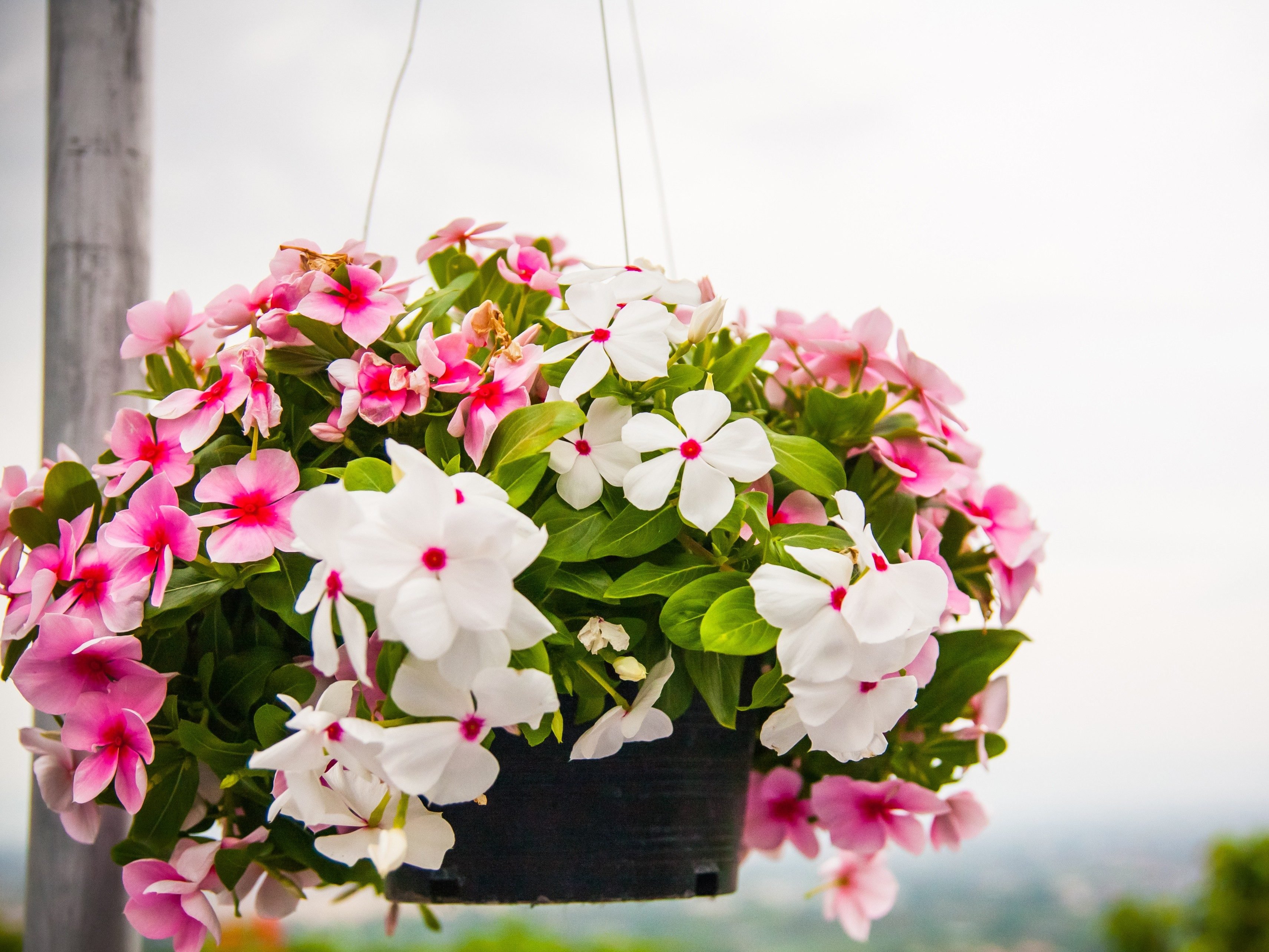
Even if you have a backyard, you might not have enough room for a garden. Growing plants in containers and hanging baskets is the perfect solution for any porch, patio or balcony that’s seriously strapped for space.
2. Give Your Plants Space
Use big enough containers that your plants will have plenty of room to grow. Ask your local nursery how much soil each plant will need. Although scientists have developed vegetables that don’t require as much growing space, some still need a lot of soil. For example, you would need at least a 19-litre container for a single tomato plant.
3. Stick To Potting Soil
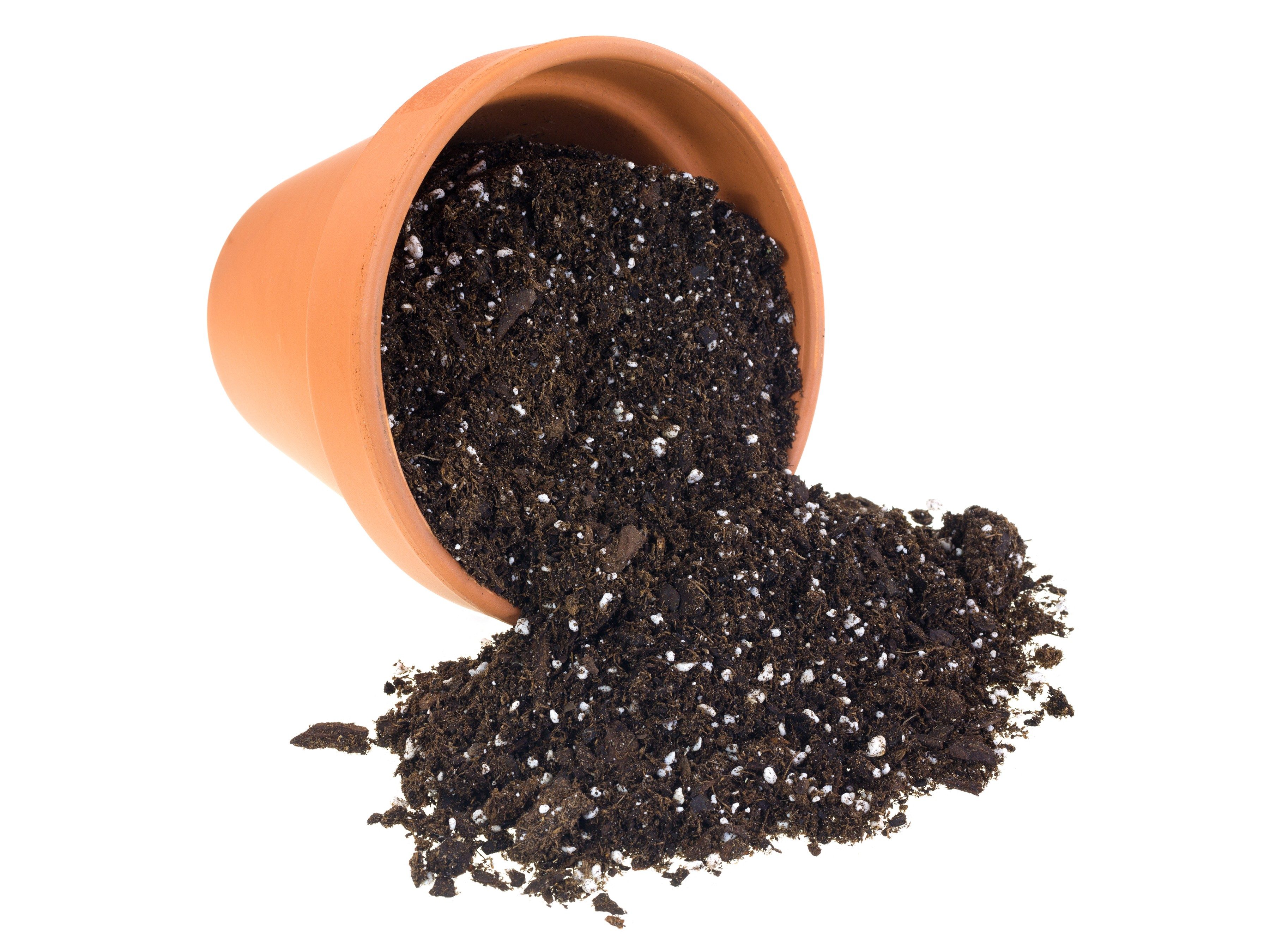
Use potting soil in your containers rather than soil from the ground. Potting soil is lighter, drains better, and is sterilized to kill weed seeds and diseases that could hurt your plants.
4. Find the Right Fertilizer
Use a slow-release fertilizer in pellet form. Since you need to water container plants frequently, a regular fertilizer would tend to wash right out of the soil. But in pellet form, one application will release the plant food slowly and last for several months.
5. Don’t Drown Your Plants
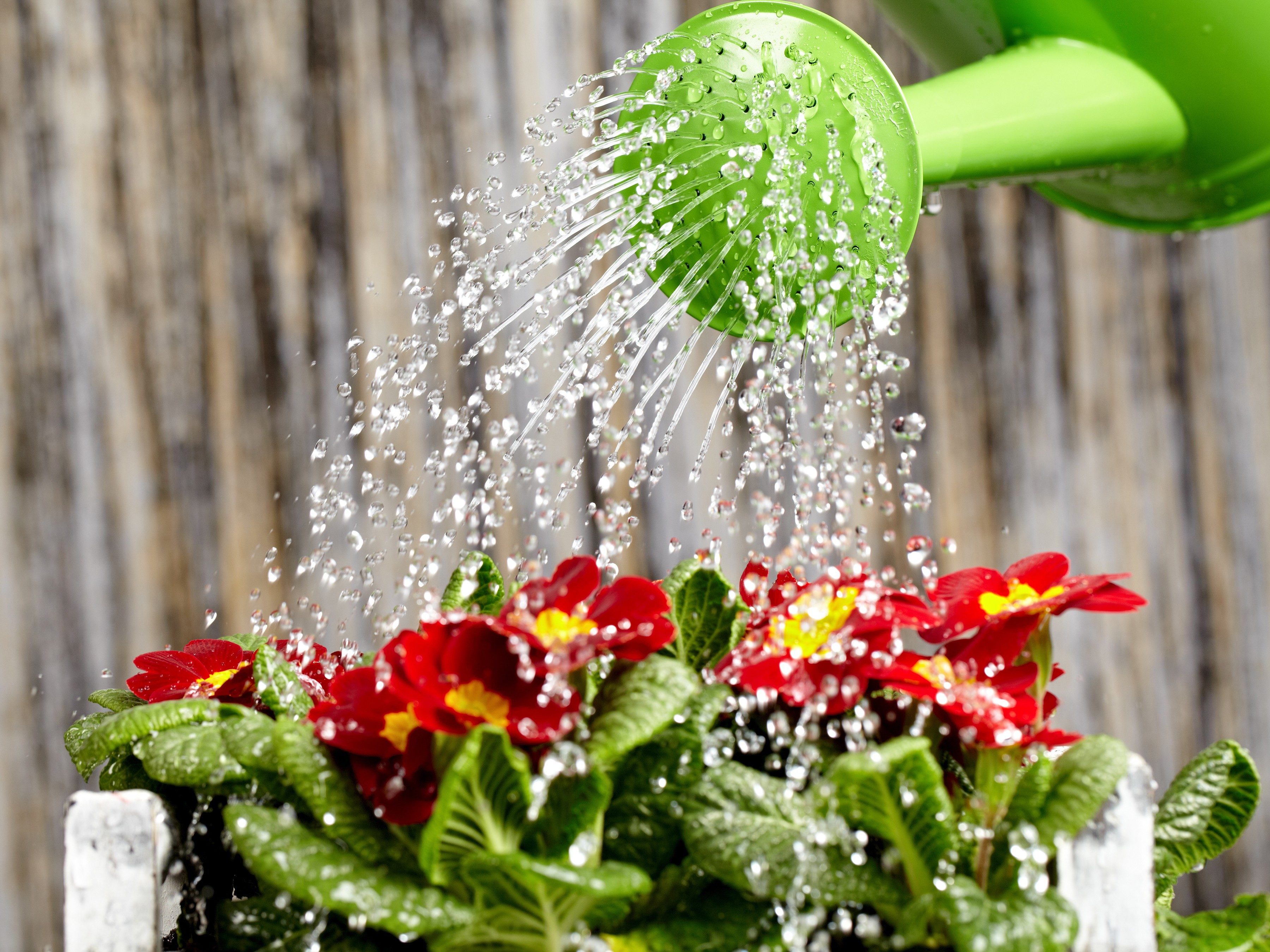
Don’t over-water your plants. Make sure that you thoroughly soak the entire container each time you water, but pour away any extra water that fills the saucer underneath the container. Making the plant sit in water encourages root rot. Since the signs of rot include wilting, many people think that the plant needs more water, which does even more damage. If you’re not sure whether the wilting is from too much or too little water, gently pull the plant up out of the container. If the roots are brown and slimy, it’s root rot. Water it less.
On the other hand, exposed balconies in high-rises can get extremely hot and dry from sunlight reflected off other structures. Under these conditions, you may need to water your plants every day.
6. Pick Plastic Plant Pots
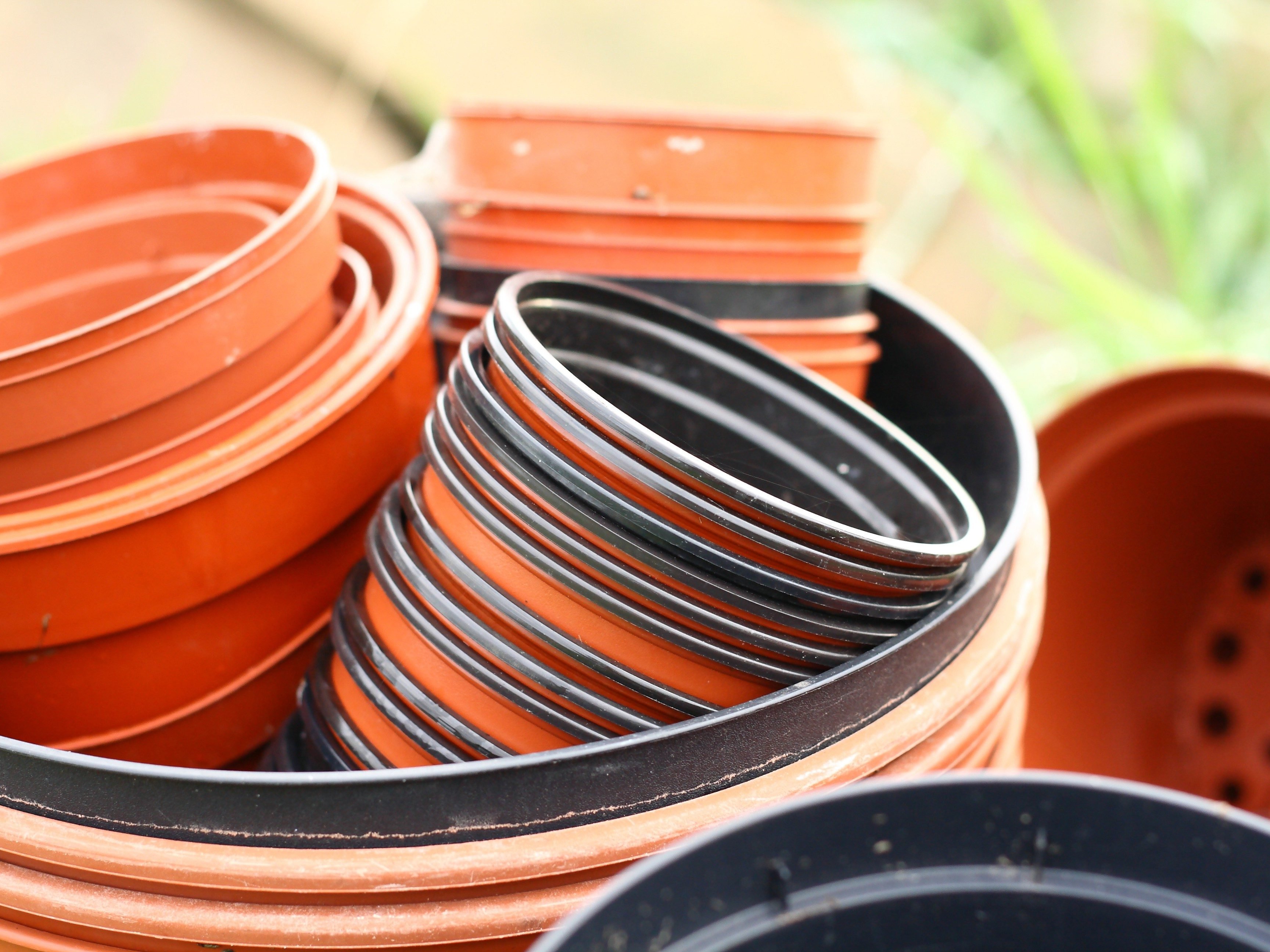
Use plastic plant pots rather than clay pots. Plants in plastic dry out less quickly because the pots aren’t porous like clay ones. Put 5 centimetres of an organic mulch on top of the soil in the container to reduce water evaporation from the soil.
7. Hang Smart
When you’re planning for hanging baskets, consider how you’re going to water them. Can you safely stand on a step stool and water with a watering can? Will you get tired of taking the basket down to water it frequently?
8. Add Water-Releasing Crystals
If you travel a lot and worry about the health of your plants while you’re away, a fast, affordable, and practical solution is to stock up on little crystals that soak up and then gradually release water. Specific brands include Water Crystals and WaterSmart Crystals, which are sold by garden centres. When you add water to these polymer granules, they absorb many times their weight in water. By mixing them in with the soil in your plants’ containers and then watering, the crystals soak up and then slowly release the water to keep your plants watered while you’re gone.
Be sure to follow directions on the label, because putting more crystals in a container is not necessarily better. Since they expand when wet, too many crystals can swell up and damage your plant or even push it out of the pot.
READER’S DIGEST CANADA
Posted in Advice
Tags: 2018, Old Fashioned Mom People, Magazine Company, New York, Old Fashioned Mom Coffee, Old Fashioned Mom Advice, Old Fashioned Mom, Global Company, High Society, Coffee Distributor, Luxury Living, Magazine, Hudson Valley, London, Old Fashioned Mom Travel, Summer, Old Fashioned Mom Real Estate, Old Fashioned Mom Places, Old Fashioned Mom International Company, Old Fashioned Mom Daily News, Old Fashioned Mom Dining, Old Fashioned Mom Events, Top Percent, Wealthy, World, Old Fashioned Mom Show, Old Fashioned Mom Things, Michelle-Marie Heinemann, Palm Beach, Old Fashioned Mom Magazine, New York City

1. Hoverfly
Benefits of having hoverflies in your garden: Maggots eat softbodied pests such as aphids.
Bait hoverflies with: Feverfew, lavender, sweet alyssum, candytuft, dill, fennel, asters.
2. Ladybugs
Benefits of having ladybugs in your garden: They eat aphids and other softbodied pest eggs, scales and whitefly nymphs.
Bait ladybugs with: Asters, marigolds, cosmos, cilantro, yarrow, dill, cabbages, sweet alyssum, flowering kale.
3. Ground Beetles
Benefits of having ground beetles in your garden: They will destroy slugs, snails, cutworms, flies and rootmaggot eggs and larvae.
Bait ground beetles with: Sweet or white clover and other ground covers; also use mulch to provide habitat.
4. Lacewings
Benefits of having lacewing in your garden: Lacewing larvae prey on pest eggs, aphids, scales and small caterpillars.
Bait lacewing with: Most pollen and nectar flowers, dill, daisies, fennel, angelica.
5. Aphid Midges
Benefits of having aphid midges in your garden: Immature insects (including midges) feed on many species of aphids.
Bait aphid midges with: Nectar-rich flowers and herbs, including Queen Anne’s lace, dill, mustards.
6. Parasitic Wasps
Benefits of having parasitic wasps in your garden: They act as parasites by laying eggs in caterpillar and aphid larvae.
Bait parasitic wasps with: Dill, mint, sage, thyme, lavender, coriander, Queen Anne’s lace, sunflowers.
7. Bumblebees, Honeybees, Mason Bees
Benefits of having bees in your garden: They pollinate food crops.
Bait honeybees with: Orchard fruits, mustards, cress, wildflowers, clover, blueberries, hollyhock.
BY CHRISTINA SYMONS
Posted in Best of the Best
Tags: Old Fashioned Mom People, Old Fashioned Mom International Company, Magazine Company, New York, World, Old Fashioned Mom Advice, Old Fashioned Mom, Magazine, Global Company, High Society, Coffee Distributor, 2018, Luxury Living, Hudson Valley, London, Old Fashioned Mom Coffee, Old Fashioned Mom Places, Old Fashioned Mom Daily News, Old Fashioned Mom Events, Old Fashioned Mom Dining, Old Fashioned Mom Real Estate, Old Fashioned Mom Show, Top Percent, Summer, Wealthy, Old Fashioned Mom Things, Old Fashioned Mom Travel, Michelle-Marie Heinemann, Palm Beach, Old Fashioned Mom Magazine, New York City

Build Up the Low Yellow Spots
The makers and sellers of pest and fungus treatments would love you to believe that every yellow or dead spot is the result of a sinister invader that can be eliminated with frequent use of their expensive products. But some yellow spots are simply the result of low spots in your lawn, especially if they appear after heavy rain. Grass can suffocate or rot in standing water. Try spreading a layer of compost over the yellow spot to raise it up to the level of the surrounding ground. Within a week or two, new grass will likely sprout to fill the patch.
Quit Bagging Grass Trimmings
If you have the kind of mower that shreds grass and drops it right back onto the lawn, you can reduce the recommended amount of lawn fertilizer by at least a third-and possibly even half. The salespeople at your garden center would tear their hair out if they knew you were onto this secret, but a mulching mower will save you having to spread pounds and pounds of chemical fertilizer every year.
Here are 19 Gardening Shortcuts That Save Time and Money.
Save a Bundle on Lawn Aeration
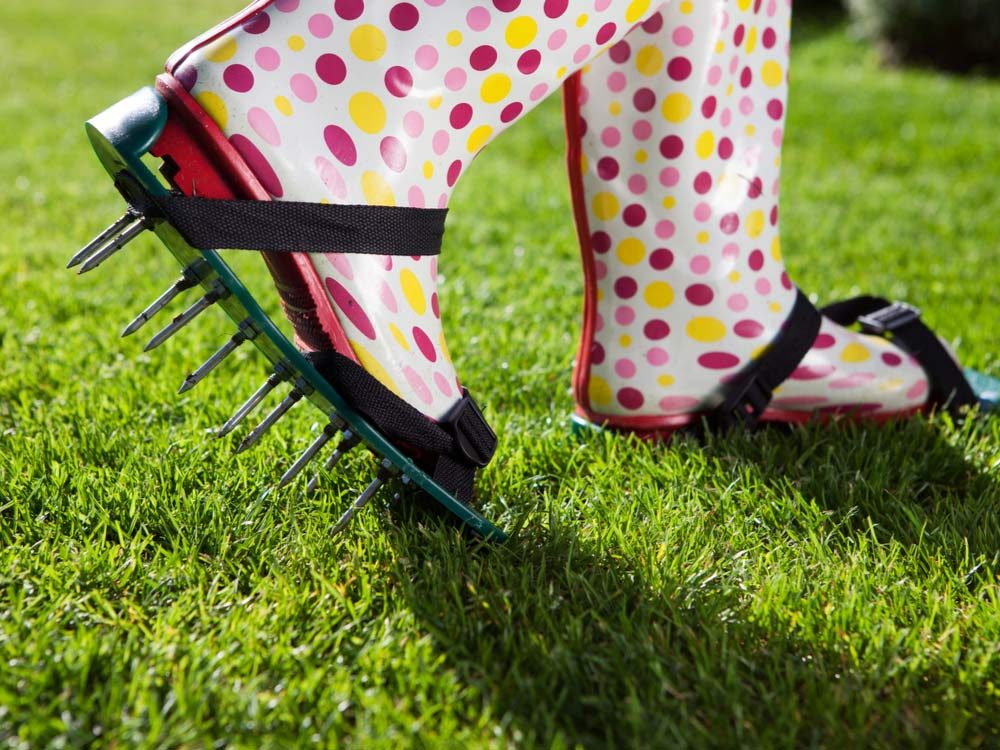
It seems that every year a swarm of eager workers roam around the neighbourhood posting handbills and ringing doorbells, insisting that you need to aerate your lawn-right now! If you don’t keep track, you might do it three or four times a year. Relax. Most lawns only need aerating once a year to improve the drainage and breathability of soil, and it’s important to do it at the right time for your area and grass type. Some grasses do better with aeration at the beginning of the growing season, and some prefer it at the end.
You don’t have to pay someone else an arm and a leg to do your aeration. It’s not rocket science, and it’s no more strenuous than mowing a lawn. Just be sure to mark your sprinkler heads and any buried cables first. Ask several of your neighbours if they’d like to go in on an aeration party, then chip in to rent a machine. You can hire the machines at hardware stores for half a day for about the same amount that you’d pay to have a single lawn aerated. You can take turns using the machine on each of your own lawns, or pay a strapping teenager to do them all in a morning. Either way, you’ll come out ahead.
Treat Your Lawn to a Healthy Tonic
You don’t have to pay big bucks to the fertilizer makers to spruce up your lawn with a shot of healthy nutrients. Many homeowners have had great success with homemade lawn “tonics” made from simple products that might already be on your pantry shelves. The recipes vary, but most share these common ingredients:
- 1 can non-light beer
- 1 can non-diet soda pop
- 1 cup ammonia
- 1 cup liquid dish soap
- 1 cup molasses or corn syrup
- 1/2 cup mouthwash
What do these ingredients have to do with promoting a healthy lawn? The beer, soda, and molasses stimulate beneficial microbes. The ammonia is a source of nitrates, the main ingredient in most fertilizers. The soap helps spread the solution evenly and bind it to the blades of grass. And the alcohol in mouthwash deters some pests. Mix these ingredients in the reservoir of a 38- or 76-litre hose-end sprayer, and apply it to your lawn every three weeks or so. Water well after application. Your lawn will be lusher and need less water, and the big oil companies that supply the raw materials for many fertilizers will have lost another customer.

Deter Lawn-Damaging Raccoons
If you wake up in the morning to discover small round holes in your lawn or even large patches of turf mysteriously rolled up, it is probably the work of raccoons or skunks, who visit at night and dig in search of worms, grubs, or other insects that live in your lawn. They are especially likely to show up after a rain, when the water forces their prey close to the surface. Some pest controlexperts would have you believe that the only viable solutions to this problem are expensive ones: installing a secure or electrified fence, setting out traps, or undertaking an elaborate grub-elimination program with toxic insecticides. But the solution is quite simple. Just go to the store and buy a couple of boxes of moth crystals and sprinkle them over your lawn. This will help persuade the raccoons, who have very sensitive noses, to dine elsewhere. Also, to avoid attracting them, make sure your garbage cans can’t be knocked over and have lids that are securely closed.
Here are 7 Insects You Actually Want In Your Garden.
Written By: READER’S DIGEST CANADA
Posted in Advice
Tags: Old Fashioned Mom People, Old Fashioned Mom Real Estate, Magazine Company, New York, Old Fashioned Mom Coffee, Old Fashioned Mom Advice, Old Fashioned Mom, Global Company, High Society, 2018, Coffee Distributor, Luxury Living, Magazine, Hudson Valley, London, Old Fashioned Mom Daily News, Old Fashioned Mom Places, Old Fashioned Mom International Company, Old Fashioned Mom Dining, Old Fashioned Mom Events, Top Percent, World, Wealthy, Old Fashioned Mom Things, Old Fashioned Mom Show, Summer, Old Fashioned Mom Travel, Michelle-Marie Heinemann, Palm Beach, Old Fashioned Mom Magazine, New York City

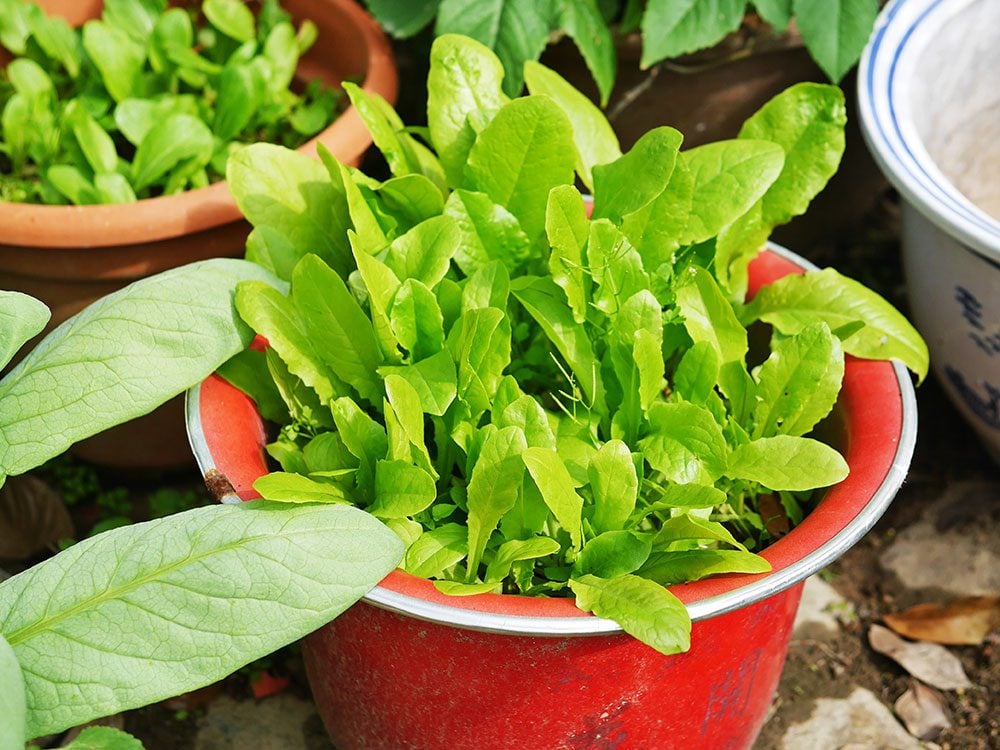
1. Get creative with containers
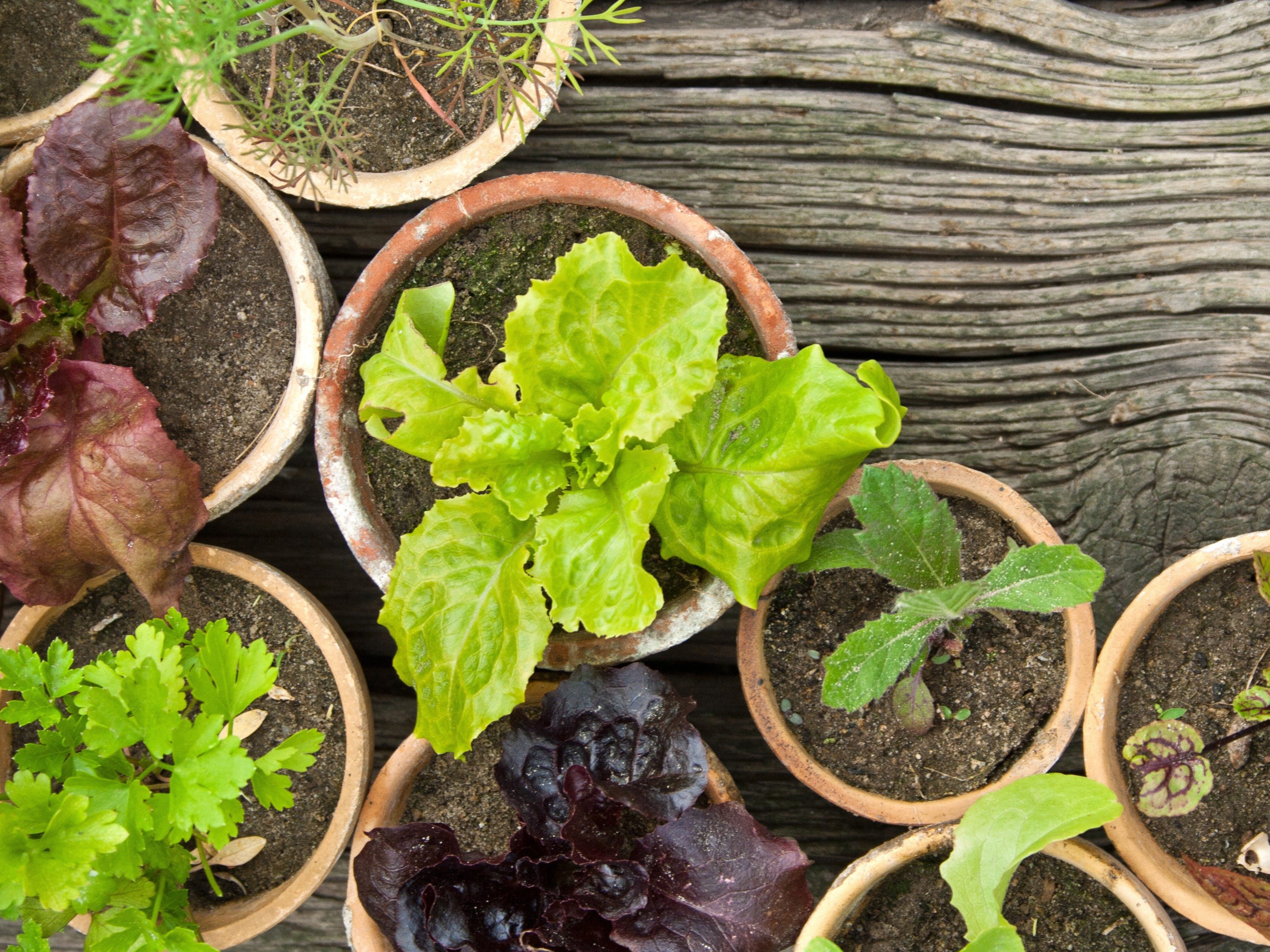
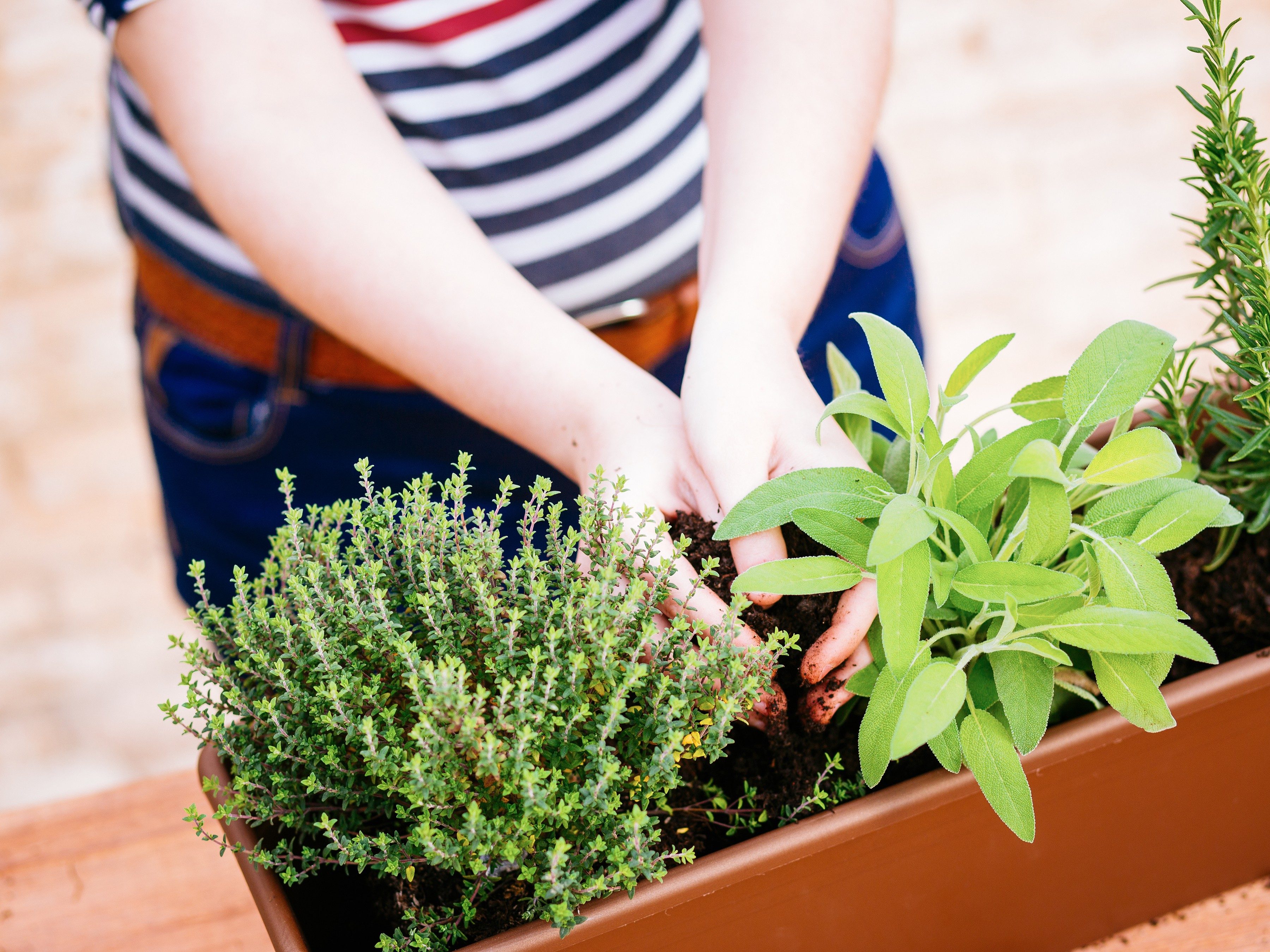
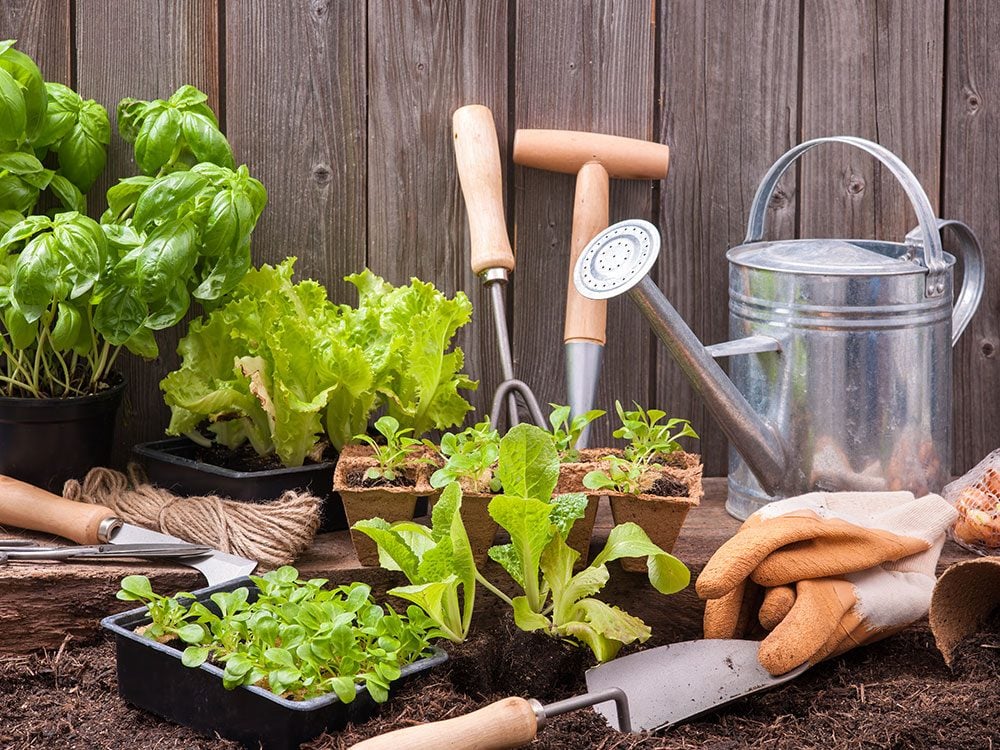
If you have a container that holds soil and allows for drainage, you’ve got yourself a potential vegetable garden. A mint tin, an old washtub, a basket, a trash can or a wine box can all be transformed into homes for plants—just add drain holes to the sides and bottom and fill it with soil.
No cash? No problem! Check out 19 Gardening Shortcuts That Save Time and Money!
2. Find the right spot
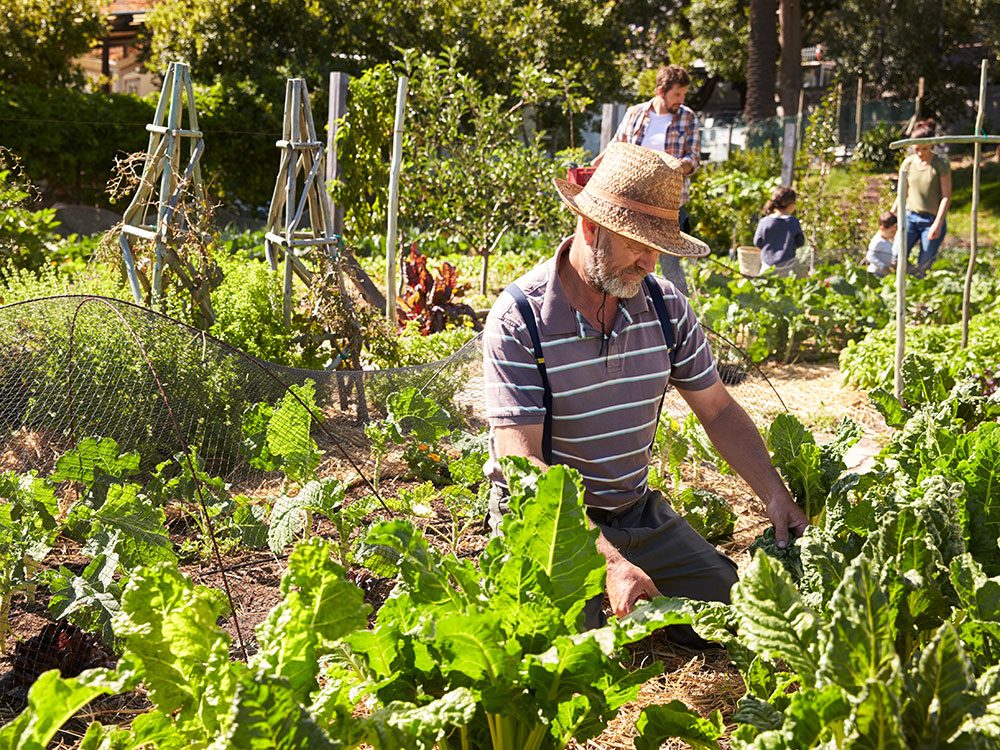
If you have a flood of light coming in through south-facing windows, or an entryway with plenty of sun and room for both a path and plants, you’re in business. Setting up an indoor space with supplemental light is also an option. Rooftops, decks and balconies are great places for a vegetable garden, too. Use walls, fences and hanging gardens to optimize finite space. If your home has limited access to the outdoors, your best bet may be to find a community garden or share the yard of a neighbour, or these five inspired indoor gardening ideas.
3. Keep an eye on things
Place the vegetable garden where you can see it from a window, in a spot you pass by on a daily basis or in a place you like to be. This immediately shifts the garden experience from burden to lifestyle. Time spent tending to your garden—a few minutes here and there—becomes part of your every day routine.
Would you prefer flowers, perhaps? These are eight of the best annuals for container gardening!

4. Start small
Raised beds, troughs and potted stairway gardens help focus your attention and manage your time. At this scale, you can easily see where to weed and what needs to be watered.
5. Grow what you love
Find the things that make you happy—plants you enjoy cooking with or simply looking at. Make sure they work in your climate.
Check out these tips for growing successful seedlings!
6. Set yourself up for success
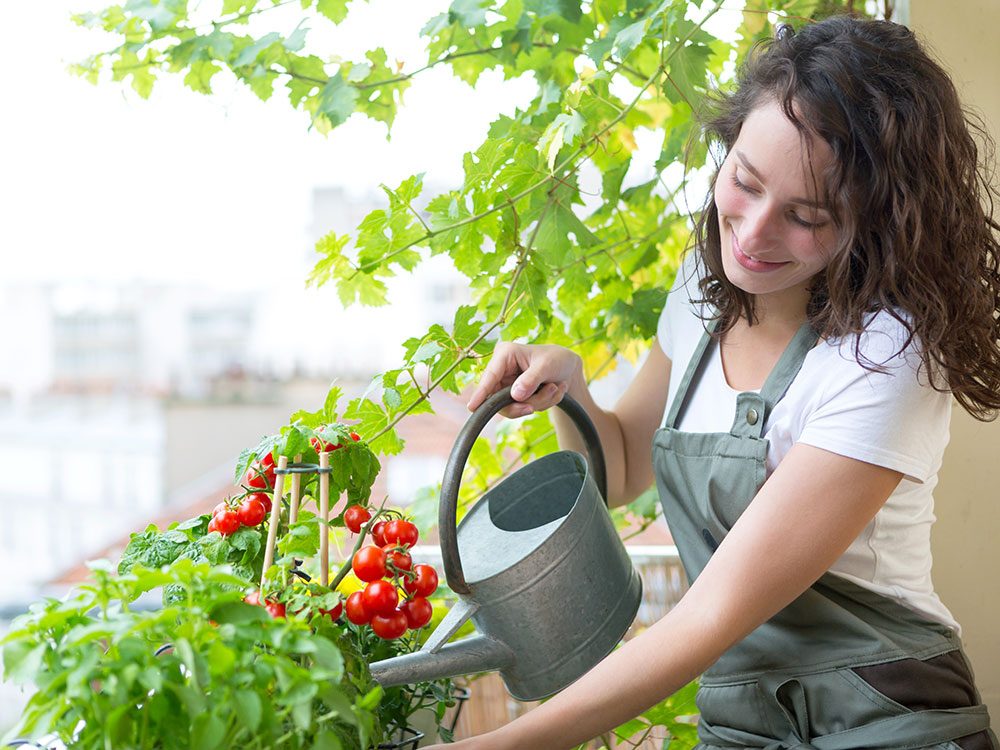
Many plants need shelter from wind and animals. Take notice of who might be out to eat your garden before you do, and pinpoint your sunniest locations. A vegetable garden usually requires full sun (six to eight hours of direct light).
Check out these helpful hints for urban gardeners.

7. Get watering right
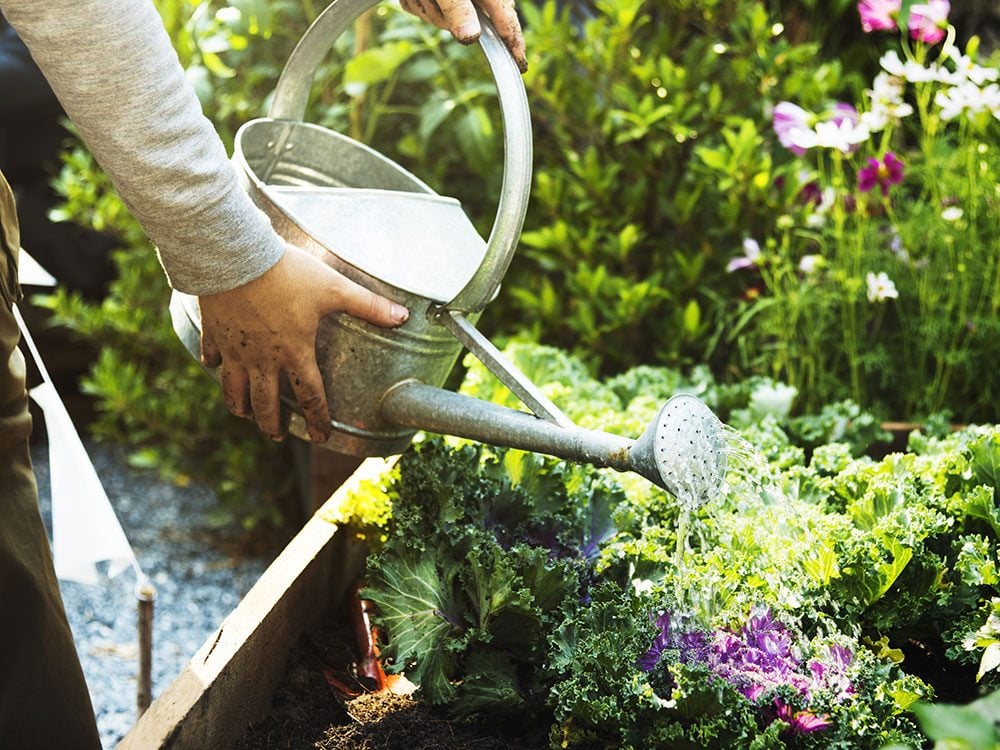
Soil-level watering helps prevent disease and conserve water. A well-planned drip or soaker hose system with an irrigation timer takes the worry out of gardening and reduces your time commitment. There are simple setups that connect to a spigot and can be run along patios, and more elaborate systems for larger gardens. Nanny pots are perfect for small containers that would otherwise be watered by hand. If you’re away for a long weekend or simply want to guarantee your plants are getting the water they need, fill a bottle with water, flip it over and push the open end into the soil. The soil will seal the opening, and water will flow from the bottle as the soil dries out.
Want to grow your own natural medicine cabinet? Here are eight medicinal plants you can grow at home!
8. Take a cue from Mother Nature
In the wild, water runs downhill. So too should water in your garden. Make sure planters and garden beds have adequate drainage. Tend your soil, adding organic matter to make a healthy home for beneficial soil microbes and decomposers. And plant in polycultures—meaning, grow multiple crops in the same place. Diversity will minimize problems with pests and attract pollinators to your garden.
9. If it ain’t broke, don’t fix it
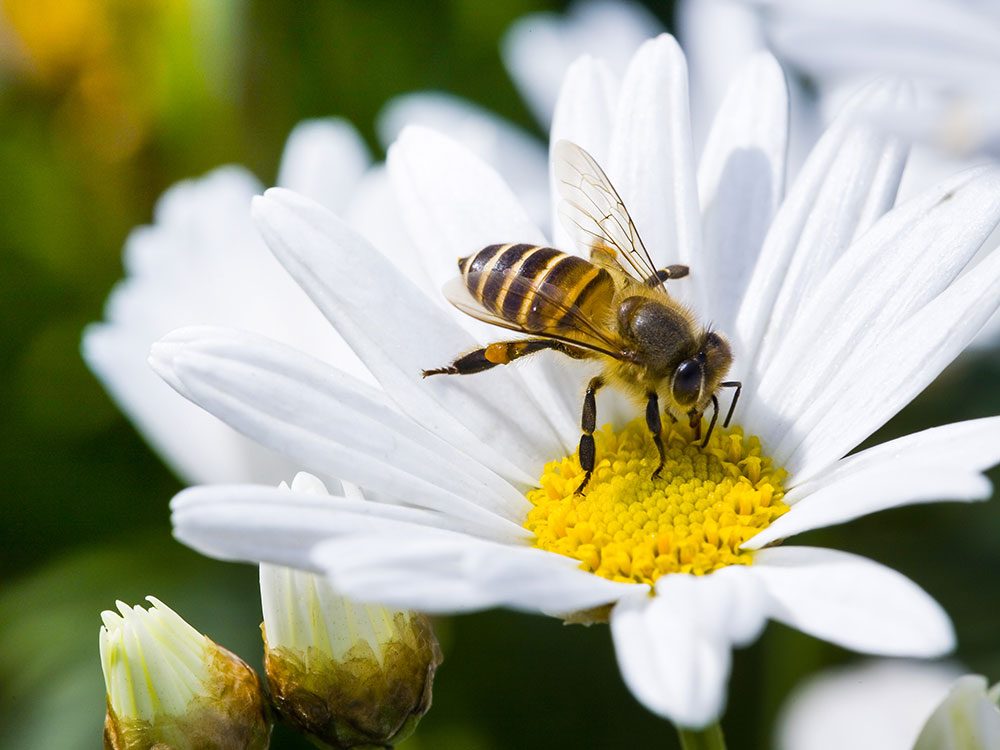
When a plant looks happy, it probably is, and further watering or fertilizing won’t make it happier. In fact, the opposite may occur.

10. Let go of perfect
Expect one-hit wonders, consistent winners and losing battles. Don’t wait for everything to be just so to start planting—embrace the fact that gardens are the definition of change. Some plants thrive while others die; you and your garden will evolve together.
BY EMILY MURPHY, FROM GROW WHAT YOU LOVE
All photo credits given to SHUTTERSTOCK
Posted in Advice
Tags: Old Fashioned Mom Places, Old Fashioned Mom People, Magazine Company, Old Fashioned Mom Advice, New York, Old Fashioned Mom, Global Company, 2018, Coffee Distributor, Luxury Living, London, Magazine, High Society, Hudson Valley, Old Fashioned Mom Travel, Old Fashioned Mom Show, Old Fashioned Mom Real Estate, Old Fashioned Mom Dining, Old Fashioned Mom Daily News, Old Fashioned Mom Coffee, Old Fashioned Mom International Company, Old Fashioned Mom Events, Top Percent, Summer, Wealthy, World, Old Fashioned Mom Things, Michelle-Marie Heinemann, Palm Beach, Old Fashioned Mom Magazine, New York City